
Three closet-audit checks that keep you from replacing pieces that just need five minutes of care.
Pilling is a wear signal, not a death sentence
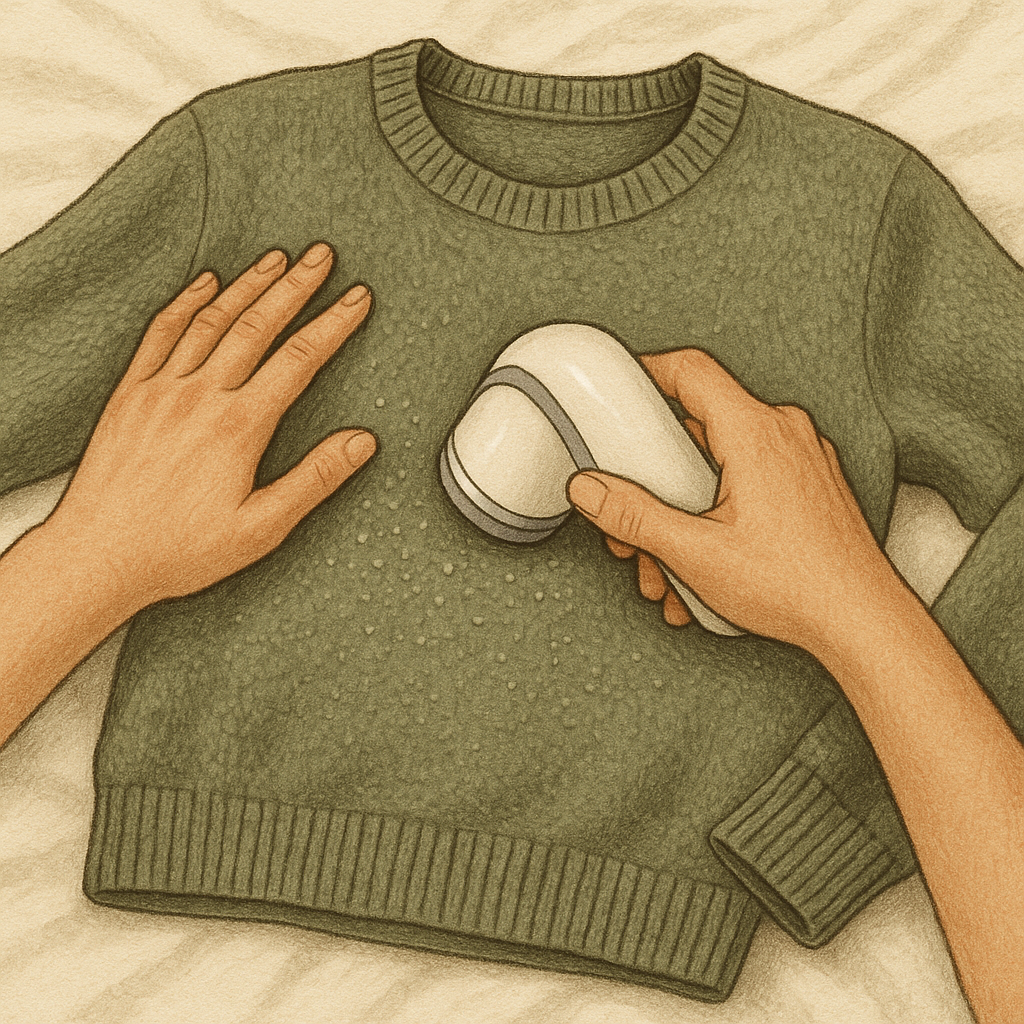
I used to treat pilling like proof I bought the wrong thing. Then I started doing a seasonal closet pass with decent light, and I realized most of my "done" knits were just fuzzy in the two places a bag strap and my own arms rub all day: underarms and the side seam at the ribs. If you're trying to make more eco-friendly fashion choices, this is the easiest win because it delays replacement without changing your style.
My routine is stupid simple: I lay the sweater flat on my bed (smooth comforter, no quilt texture), pull it taut with one hand, and use a fabric shaver in small circles. Go slow around seams, ribbed cuffs, and any area with a looser stitch, because that's where you can snag if you rush. When I don't feel like plugging anything in, I use a sweater comb, but the shaver is faster and gives me that clean, almost-new surface that makes the piece earn its hanger again.
Two things matter more than people admit. First, I empty the lint trap halfway through. A full trap makes the head drag, which is when you get overconfident and press harder. Second, I look at the inside label and wash it the way it asked the first time. If it's a wool blend and I keep tossing it in a warm cycle, I'm basically manufacturing new fuzz every week.
After I de-pill, I take one extra minute to check the high-friction spots. If the fiber looks thinned (not just fuzzy), I rotate it to "home days" and stop wearing it with that rough canvas tote that sandpapers it. Same sweater, longer life, and it doesn't feel like I'm constantly shopping to fix my own laundry habits.
Heel drag tells you when your shoes are costing you clothes
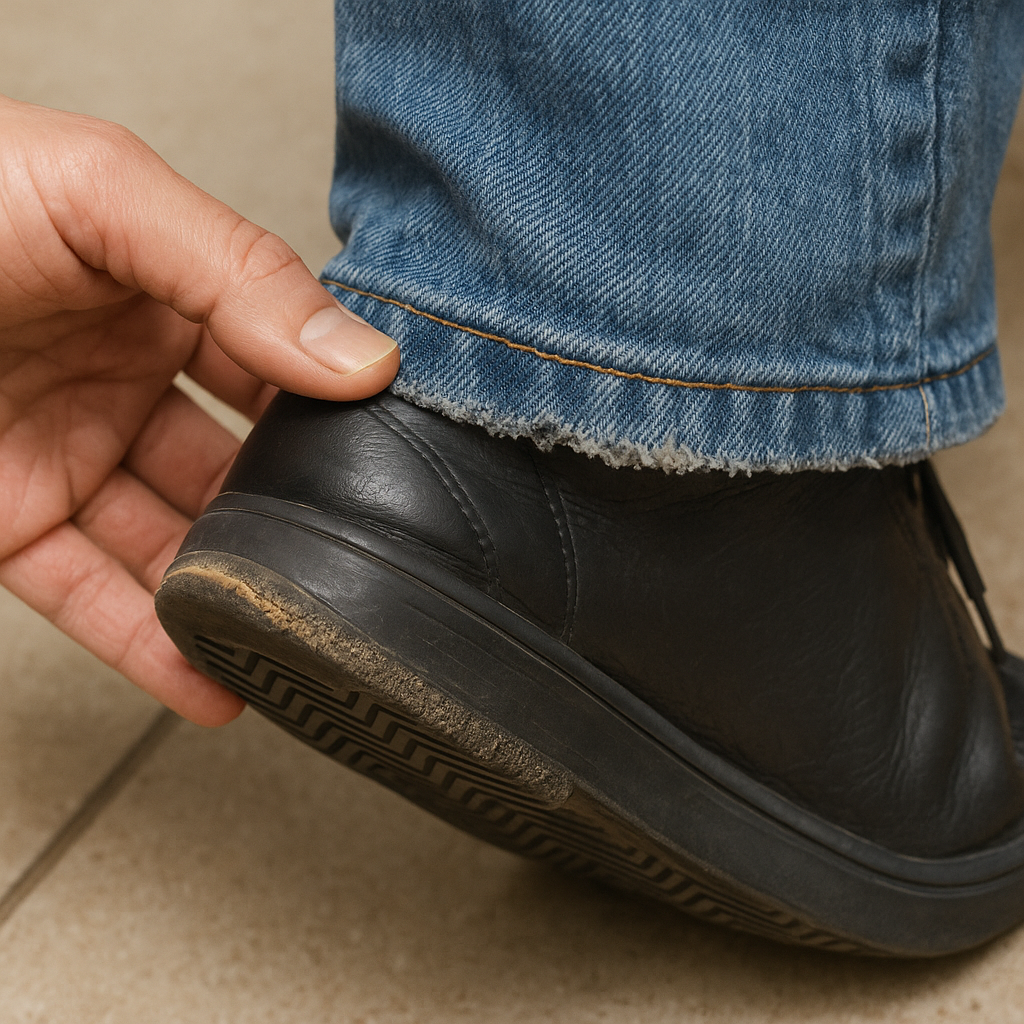
Most people look at jeans hems and blame the jeans. I blame the shoes. In my own closet, the pairs with shredded backs always line up with one thing: soles that have worn down unevenly so my heel tilts and my pants kiss the pavement. Once you notice it, you can't unsee it. There's a dark, gritty stripe at the back of the hem, and the fabric starts to go soft like it has been sanded.
During a closet audit, I flip shoes over and do a quick sole scan before I decide a pair of pants is "too far gone." If the outer back corner of the heel is eaten down, it doesn't matter how premium the denim is. It's going to lose that fight. Sneakers do it too, especially pairs with squishy foam that compresses over time.
Here's what I do, in order of effort. If it's a leather boot or a shoe with a replaceable heel cap, I take it to a cobbler and ask for new heel taps before the wear reaches the stacked heel itself. If it's a sneaker I love, I stop making it my daily pair and rotate it to errands where I don't care about a little drag, then I pick a newer, flatter pair for wide-leg pants and anything that skims the floor.
And yes, I shorten the pants when the fabric is already compromised. I don't do heroics with glue or iron-on patches on a hem that gets friction every step. I either have it hemmed above the danger zone or I embrace a cropped look and call it intentional. The eco part is that the pants stay in rotation for years, and I buy fewer replacements because I fixed the thing doing the damage.
The 2-minute brush-and-air routine that saves leather (and your nose)
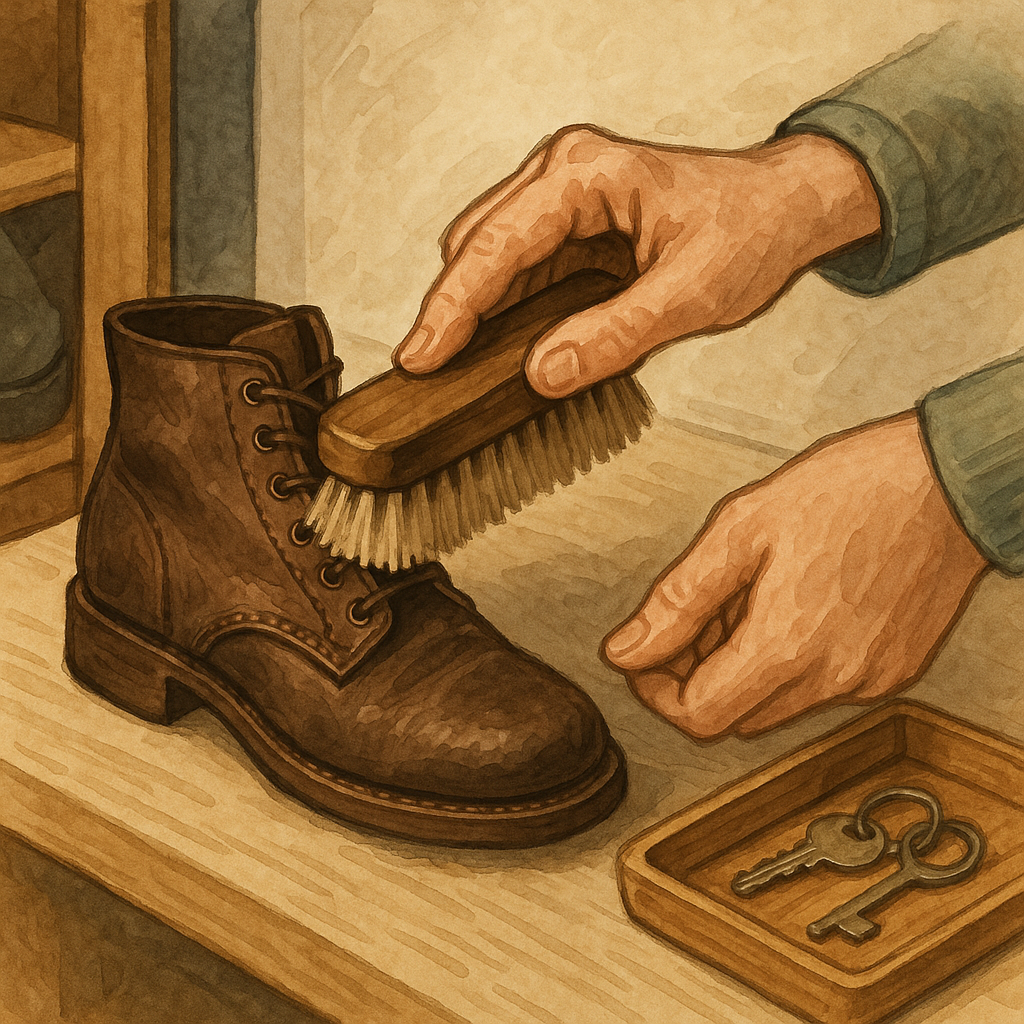
I keep a horsehair shoe brush in a little tray by my closet, right next to the spot where my keys land. It's not a cute display. It's there because I learned the annoying way that gritty dust is basically sandpaper for leather. I used to toss boots on the shelf, then wonder why the toe creases looked cracked and gray by mid-winter.
This routine is as unglamorous as it sounds, and that's why it works: brush, wipe, air. I brush the whole shoe quickly (toe first, then around the welt, then the heel) to knock off dry dirt before it gets worked into the finish. If there's salt residue or a sticky spot, I use a barely damp cloth and wipe once, then let the shoes sit out where air can move around them. I don't shove them straight into a dark bin while they're still cold and slightly damp from outside. That's when you get that basementy smell that never fully leaves.
Two practical details from doing this for years: I keep a separate brush for suede and nubuck because a general brush can mash the nap flat and make the shoe look shiny in a weird way. And I don't soak leather with water thinking I'm cleaning it "better." A light wipe is plenty. If the finish is truly dried out, that's when I use a small amount of conditioner, applied thin, and buff it off. Over-conditioning is its own problem and leaves the surface tacky, so dirt sticks faster next time.
The payoff isn't just that your shoes look nicer. It changes what you keep. When the footwear you're pairing with outfits is in decent shape, you don't start shopping to replace half your closet because the whole look feels tired.