
Three small fashion-tech checks I run with NFC, a fit-photo app, and a resale search to spot trends before I pile on duplicates.
NFC tags on hangers: the lazy log you'll keep
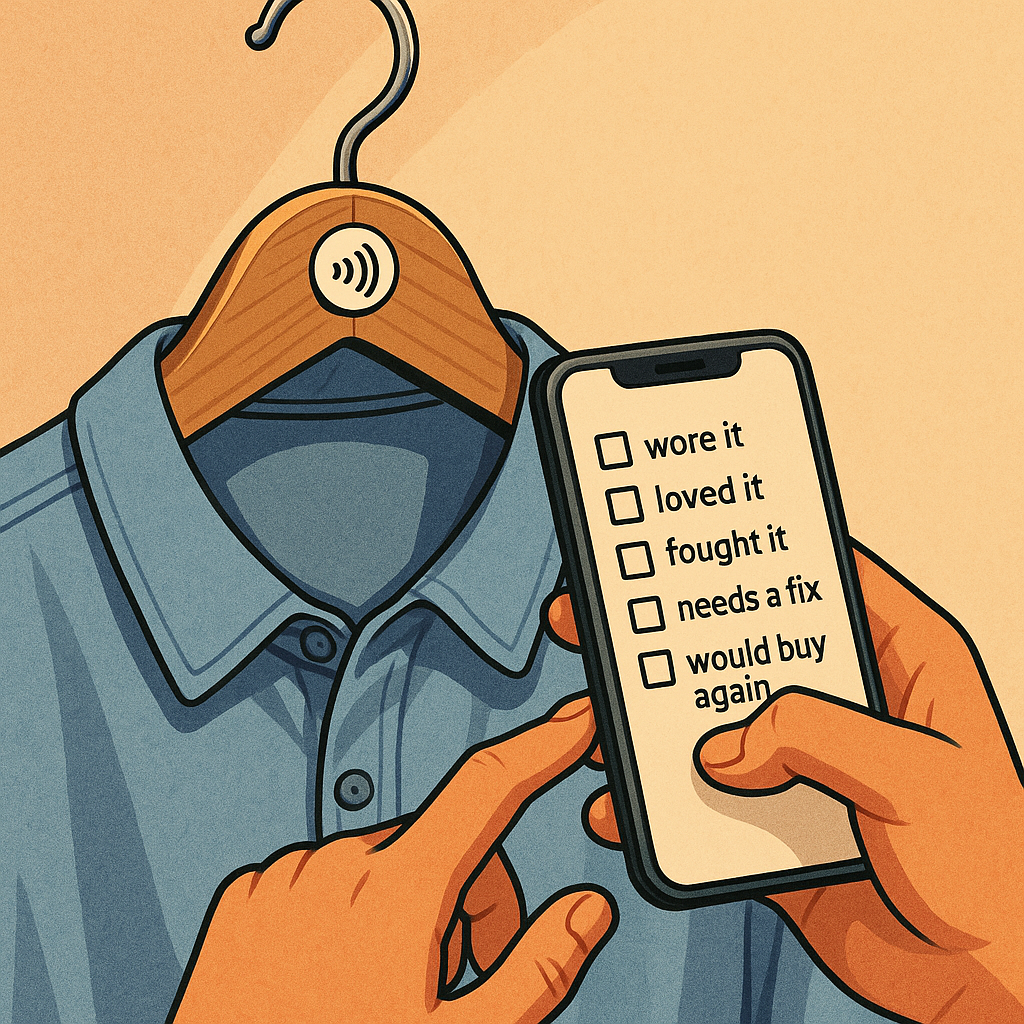
I tried tracking outfits the disciplined way. It lasted four days. What stuck for me was putting the tracking on the object, not on my willpower: a pack of NFC sticker tags, a phone, and the exact hangers I already use. I put one tag on the inside neck of my most-worn jacket and another on the hook side of a couple of hangers that hold the stuff I reach for on repeat (the button-down I keep re-buying in slightly different shades, my one pair of trousers that never fights me, that kind of thing). When I hang the item back up, I tap the tag and it opens one note on my phone with a tiny checklist: wore it, loved it, fought it, needs a fix, would buy again.
The closet-audit payoff is not the data spreadsheet. It's the pattern that shows up fast. Two weeks in, I could see that I was defaulting to the same collar shape and the same rise height even when I thought I was in a "new era." That is the early warning sign. Before the trend peaks in my own closet, I catch that I'm about to buy the fourth version of the same idea because it feels safe. If a tag gets three taps in a week, I don't treat it as a shopping cue. I treat it as a design brief: what is it about this piece (fabric handfeel, pocket placement, sleeve width) that my other options aren't giving me?
Small, important detail: stick the tag where friction won't peel it off. On a hanger, the flat top of the hook area is better than the shoulder. On a garment, I like the care label area because it doesn't get scraped by bags. And if you share a closet, label the note with the item nickname you both use out loud. Otherwise you'll end up with "black pants" entries that mean nothing when you have, unfortunately, seven.
Your fit-photo app isn't for selfies, it's for seams
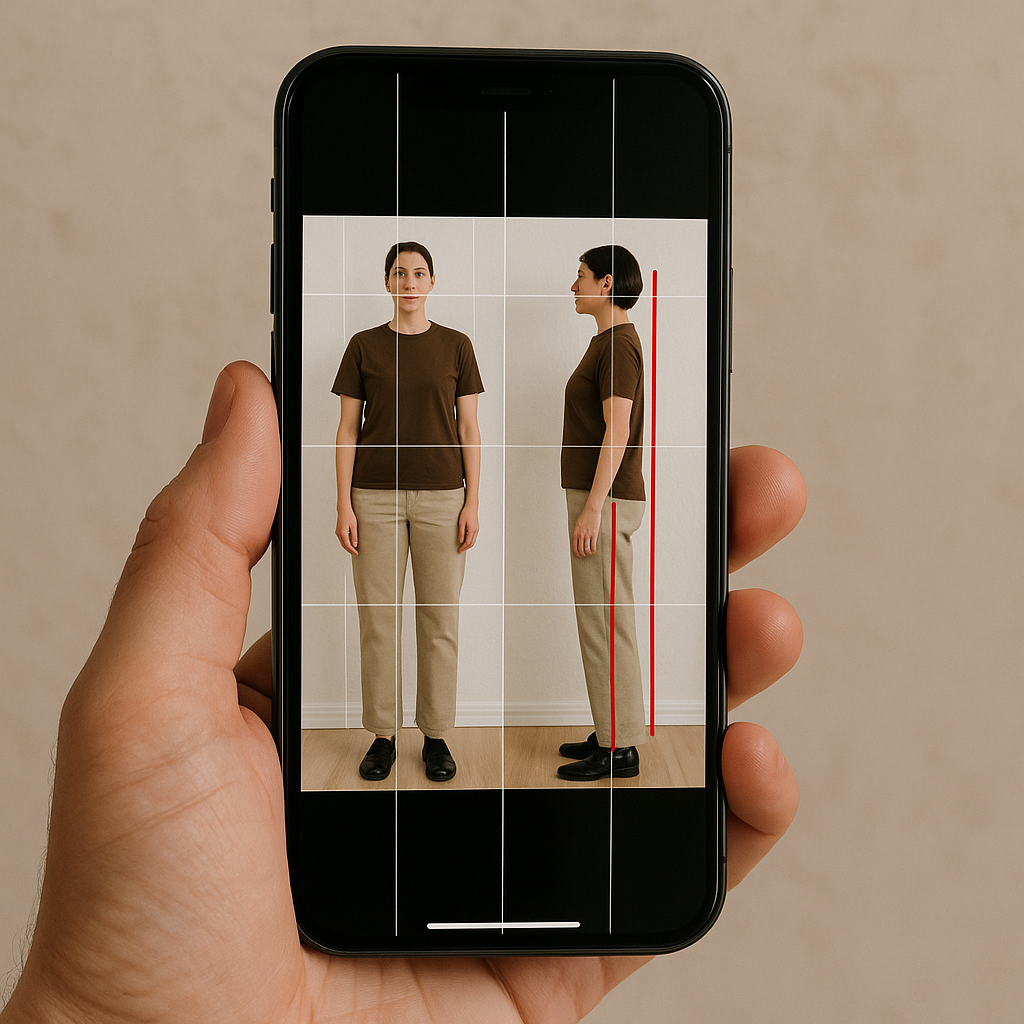
I keep a little album that is aggressively unglamorous: straight-on front photo and straight-on side photo, taken in the same spot, same lighting, same shoes. No poses. No cropping. If your phone has a grid overlay, turn it on. You want the vertical lines because they make fit issues obvious in a way your brain loves to forgive in the mirror at 7:42 a.m.
Here's how I use it as a trend radar. Once a month, I pick five outfits that I wore without thinking and I take the two photos. Then I zoom in and look for the same three things: where the shoulder seam lands, where the waistband is sitting after ten minutes (not when I first button it), and what the hem is doing around my shoes. When a new silhouette is creeping in, it shows up here first. For me, it's usually a quiet shift like sleeves getting wider or pants getting a touch longer and straighter. In the mirror I just think, "Cute." In the photos, I can see that I'm suddenly avoiding my narrower-leg pairs because the hems look stingy next to my current shoes.
The tech part isn't fancy. I use the markup tool to draw a couple of lines: one down from the shoulder point, one down from the widest part of the hip. If the side seam is consistently pulling forward on a certain cut, that is not a vibe problem. It's a pattern problem, and it's also a buying signal. It tells me what to stop bringing home, even if the color is perfect. And when something looks off, I don't immediately blame my body or declare the item "wrong." I check the basics: is the garment twisted on the hanger, is the hem pressed, did I swap to a different bra that changes the line? That quick reality check saves me from panic-purging pieces that just need five minutes with a steamer and the right underlayer.
Bonus: when you get tempted by a micro-trend, you can compare it to your last month of photos and see whether it would add variety or just create another duplicate of the same proportions in a new fabric.
Reverse-image search your own closet before you shop
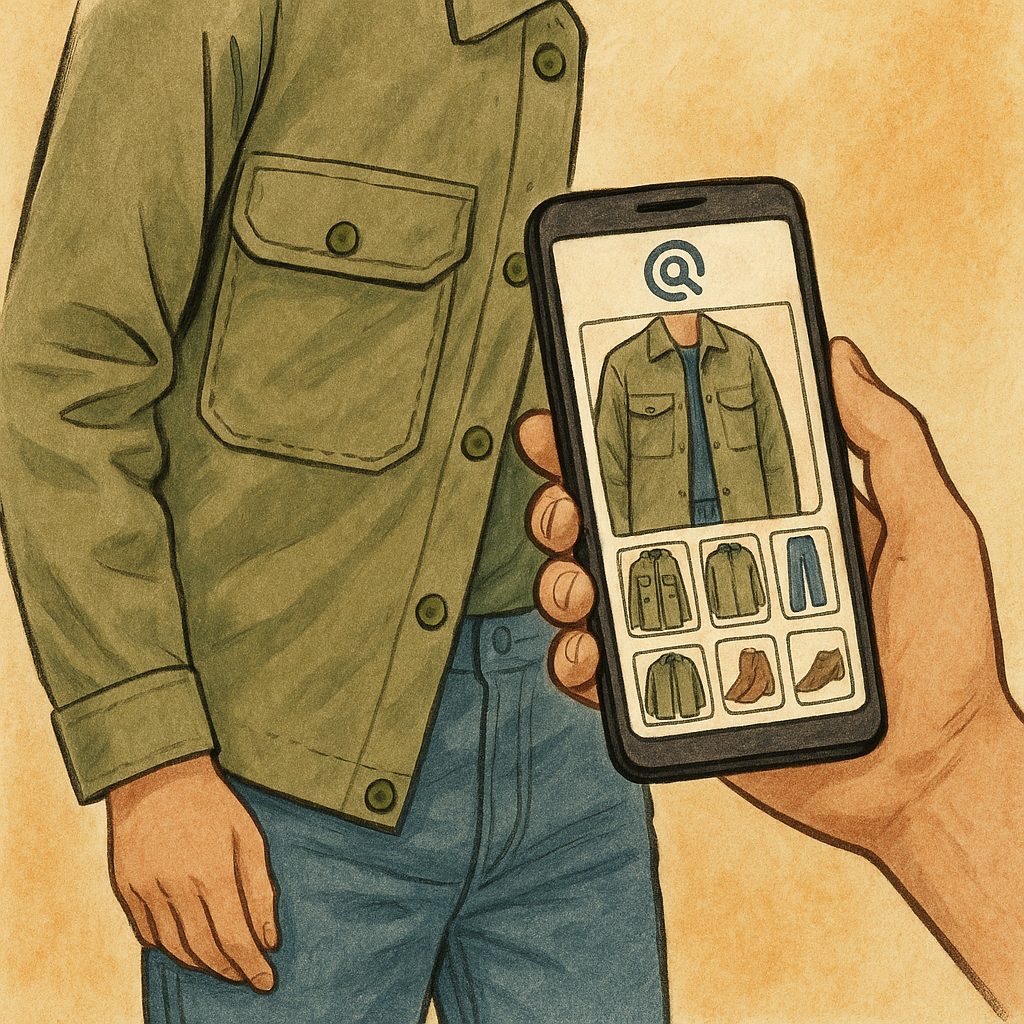
This one feels like cheating, and I mean that as a compliment. When I'm trying to spot trends before they peak in my own wardrobe, I don't start by browsing new arrivals. I start by taking a photo of what I'm already wearing into the ground and running a reverse-image search (Google Lens does it, and so do a few shopping apps). Not to buy it again, but to see what the algorithm thinks my item is adjacent to.
Do it with something specific, not a generic black tee. A jacket with a distinctive pocket shape. A shoe with a particular toe. A pair of jeans with a very clear rise and leg line. Then look at the results like a closet audit, not like a shopping list. I scroll until I see the knock-on versions: the same collar but in a shorter length, the same loafer but chunkier, the same leg but with a seam down the front. That is your trend curve, served up without you having to guess.
I keep two buckets in my notes after I search: Keep and Resist. Keep is for elements that solve a problem I have (like: "this jacket works because the pockets sit high enough that my hands don't drag the hem down"). Resist is for the stuff that's simply the algorithm trying to upsell my own habits back to me. If every result is a slightly different version of what I own, that's a sign the trend is about to peak in my closet because I'm already living inside it.
One practical tip that only matters if you've done it: take the photo in daylight and fill the frame with the garment. Busy backgrounds confuse the search and you'll get weird results that are more about your rug than your pants. Also, don't treat a resale listing photo as proof of authenticity or condition. Listings can be old, edited, or misleading. I only use them to map shape and brand language, then I decide whether I need variety (a different cut) or just maintenance (a replacement of the same thing because mine is worn out). That distinction keeps the "trend" from turning into a pile of duplicates on the chair.