
Three early tells I track in pricing, shipping, and chatter to spot momentum before the headlines do.
The freight bill shows up before the hype does
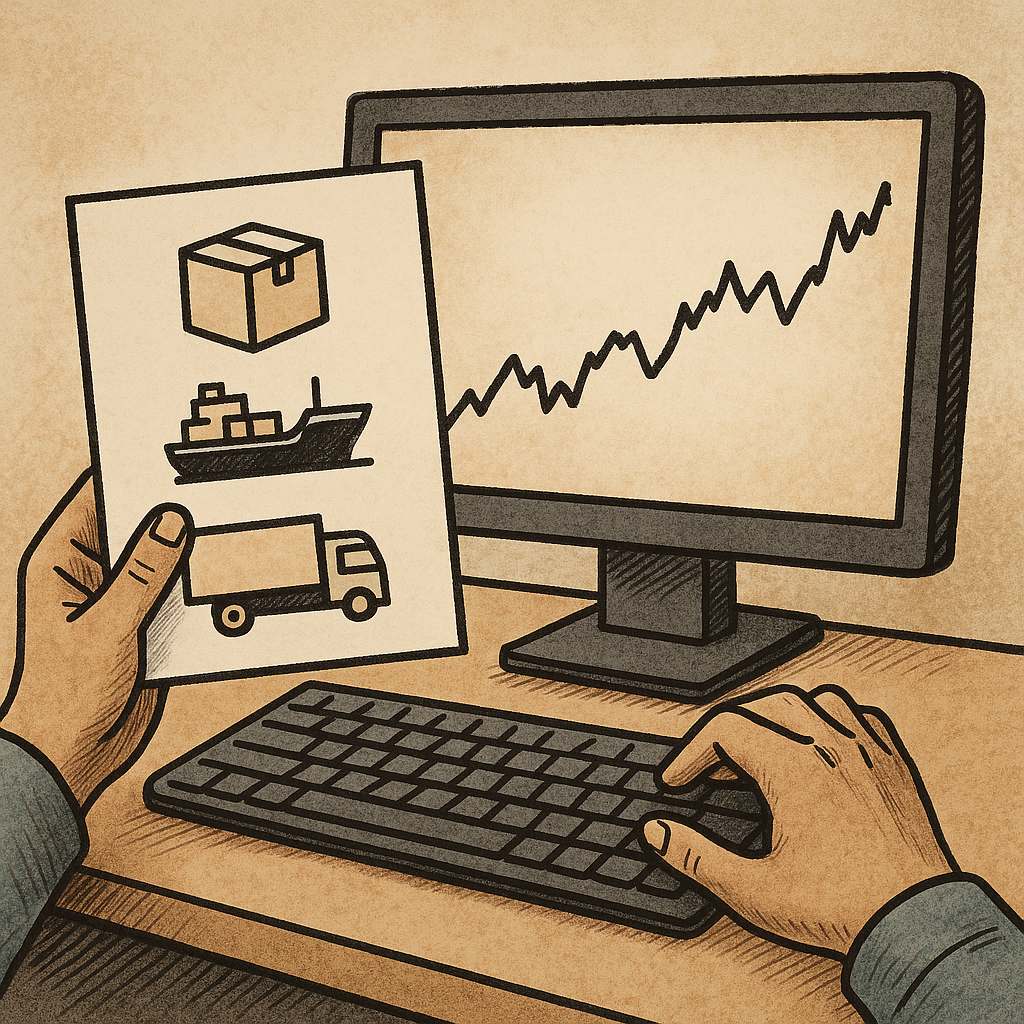
I start with the boring stuff: boxes, boats, and the cost to move them. If an emerging theme is graduating from lab-bench chatter to real orders, it usually leaves a smudge on freight and delivery metrics before it shows up in glossy product launches. On my screen that means I pull up a couple of shipping proxies (container rates, rail traffic, trucking tonnage) and I look for a change in behavior, not a perfect trendline. The tell I care about is a move that sticks for several prints, especially when it lines up with supplier comments about lead times. When a manufacturer says, in plain language, that they are quoting 10 to 14 weeks instead of 4 to 6, I take that more seriously than a thousand reposts.
This is also where you can separate a genuine inflection from a seasonal blip. Around holidays, everything gets loud. I want to see whether the pressure is specific. If it is semiconductors, do expedited air shipments pop while ocean bookings stay flat? If it is home energy hardware, do regional delivery backlogs show up in distributor notes even though national freight looks normal? That mismatch is useful. It hints at a supply chain pinch point, which often becomes the narrative later.
My practical routine: I keep a tiny watchlist of logistics-sensitive tickers (carriers, packaging, last-mile) and I note when management starts talking in units and capacity instead of vibes. The moment a CFO stops saying "we're excited" and starts saying "we secured X slots" or "we added a second shift," I write it down. It is not a guarantee of an investing win, but as a Deal Radar signal, it is one of the earliest ones that tends to be measurable.
Price hikes and smaller promos are the quietest confirmation

When I'm trying to spot early market momentum, I watch what happens to promotions. Not the headline list price, the stuff in the fine print: fewer coupon codes, tighter bundle deals, and shipping thresholds that creep upward. Companies pull back on promos when they don't have to fight for demand, or when they can't keep inventory on the shelf. Both are actionable signals, and both tend to show up before analysts start rewriting their models.
I do this in a very unsexy way. I build a little “price diary” for 10 to 20 representative SKUs in the theme I'm tracking. I don't need a fancy dataset. I just need consistency: same item, same pack size, same seller, checked on the same day of the week. Then I mark three things: (1) the most common discount level, (2) how often it appears, and (3) whether the discount is being replaced by softer perks like extended warranties or free accessories. A real shift often looks like this: the product is still available, but the easy 15% off becomes a rarer 5% off, and the brand starts nudging you toward financing or a subscription add-on. That tells me they think demand can carry the margin.
One nuance that matters: watch for shrinkflation in plain sight. If a consumable quietly moves from 12 oz to 10 oz while the sticker price stays put, that's a price hike that won't show up in casual scrolling. The same goes for "new" versions that are basically a spec tweak with a higher MSRP. If I'm seeing that behavior across two competing brands at the same time, I treat it as category-level confidence, not a one-off cash grab.
And yes, I sanity-check against broader inflation measures, because everything rises eventually. What I'm looking for is relative movement: does this pocket of the market tighten while neighboring categories stay promotional? If it does, I put a star next to it in my notes, because pricing power tends to be one of the cleanest early indicators that a trend is becoming a business.
Follow the job postings, not the press releases
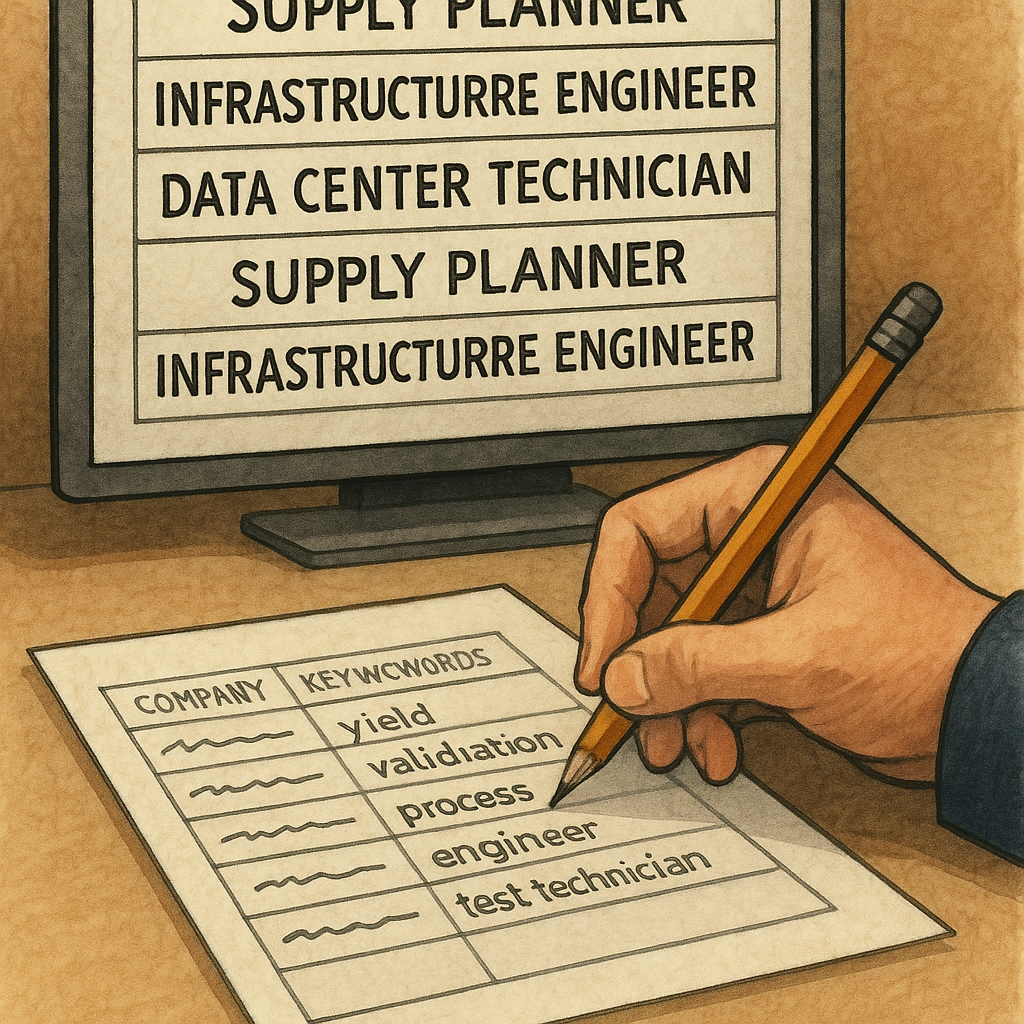
Press releases are cheap. Headcount isn't. If I want early confirmation that an emerging theme is moving from "interesting" to "we're spending money," I read job postings like they're earnings calls. Not every listing is real, and companies repost roles they never fill, but patterns still show up if you look for the specific kinds of roles that appear only when a program is funded.
Here's what I track: brand-new teams, specialized titles, and a sudden cluster of roles that all point in the same direction. A single "AI strategist" listing tells me nothing. Ten postings across two quarters for infrastructure engineers, data center technicians, and supply planners tells me someone is building capacity. Same idea in clean energy, biotech, robotics, defense. The titles change, the intent doesn't. I also look for where the jobs are located. A wave of postings near a particular port, industrial park, or known contract manufacturing hub is often more informative than the company's own narrative.
I keep a simple spreadsheet with three columns: company, role keywords, and date spotted. My keywords are very literal and very grounded: "yield," "validation," "quality," "regulatory," "process engineer," "field service," "test technician." Those are the roles that show up when a thing is leaving the prototype stage. Marketing hires can mean optimism. Quality hires mean shipments.
The other angle, which feels almost unfair, is partner language. If you see multiple postings that mention the same vendor stack (specific cloud platforms, specific industrial control systems, specific chip families) across unrelated companies, it hints at an ecosystem forming. That's the kind of early signal that belongs in a Deal Radar list, because by the time it turns into a conference keynote theme, the positioning is usually crowded. I don't treat job postings as proof, but I do treat them as an honest leak of priorities. Companies can spin a slide deck. It's harder to spin a hiring plan.