
Three innovation hotspots I watch, plus the boring signals that tell me when a microtrend is about to flood your feed (and your cart).
The group-chat supply chain is faster than retail
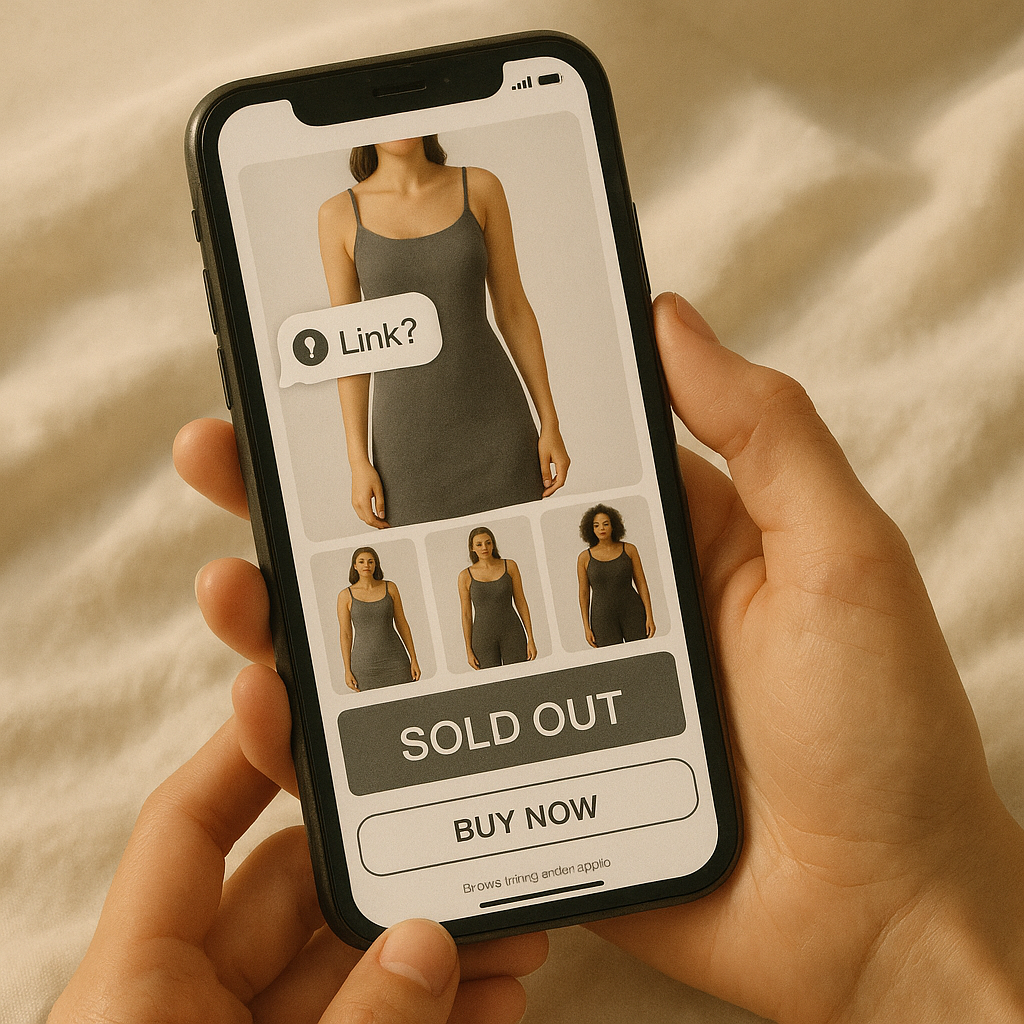
People still talk about trends like they move from runway to magazine to mall. That pipeline exists, sure, but if you're watching where innovation is happening right now, it's in the weird little alley between a creator's DMs and a checkout page. I've seen a silhouette go from "link?" replies on Instagram Stories to sold-out in 48 hours without ever touching a traditional campaign. The tell is how the brand handles the chaos. When a label starts pinning comment answers like "restock Friday 12pm ET" or posting shaky iPhone try-ons of the same item in three body types, that's not sloppy marketing. It's a sprint because demand is being built conversationally, and the brand is using the fastest feedback loop it has.
If I'm trying to spot what's about to crest, I don't even start with the product grid. I start with friction points and how they get solved in public:
- Inventory language shifts. "Small batch" becomes "preorder," then suddenly there's a "waitlist" sticker every other day. That transition usually means they're moving from maker-scale to outsourced production.
- Fit questions get templated. Early on, the founder answers sizing DMs personally. Later, you see the same saved reply pasted into comments, and a half-baked size chart appears. That's the moment the piece is about to leave the niche chat and hit the algorithm.
- Payment options multiply. The second I see Shop Pay, Klarna, and a "split it" button added after a wave of viral videos, I know they're optimizing for impulse conversion, not slow consideration.
The hotspot here is social commerce ops, not design. The design is often simple. The innovation is how quickly a brand can turn a thousand micro-conversations into predictable fulfillment. If you want to be early without being reckless, watch for boring proof: clear shipping windows, consistent product photography across colors, and returns info that isn't hidden. A trend pushed through DMs can be fun. Getting stuck with a final-sale mystery fabric, less fun.
The factory floor is in your comments section now
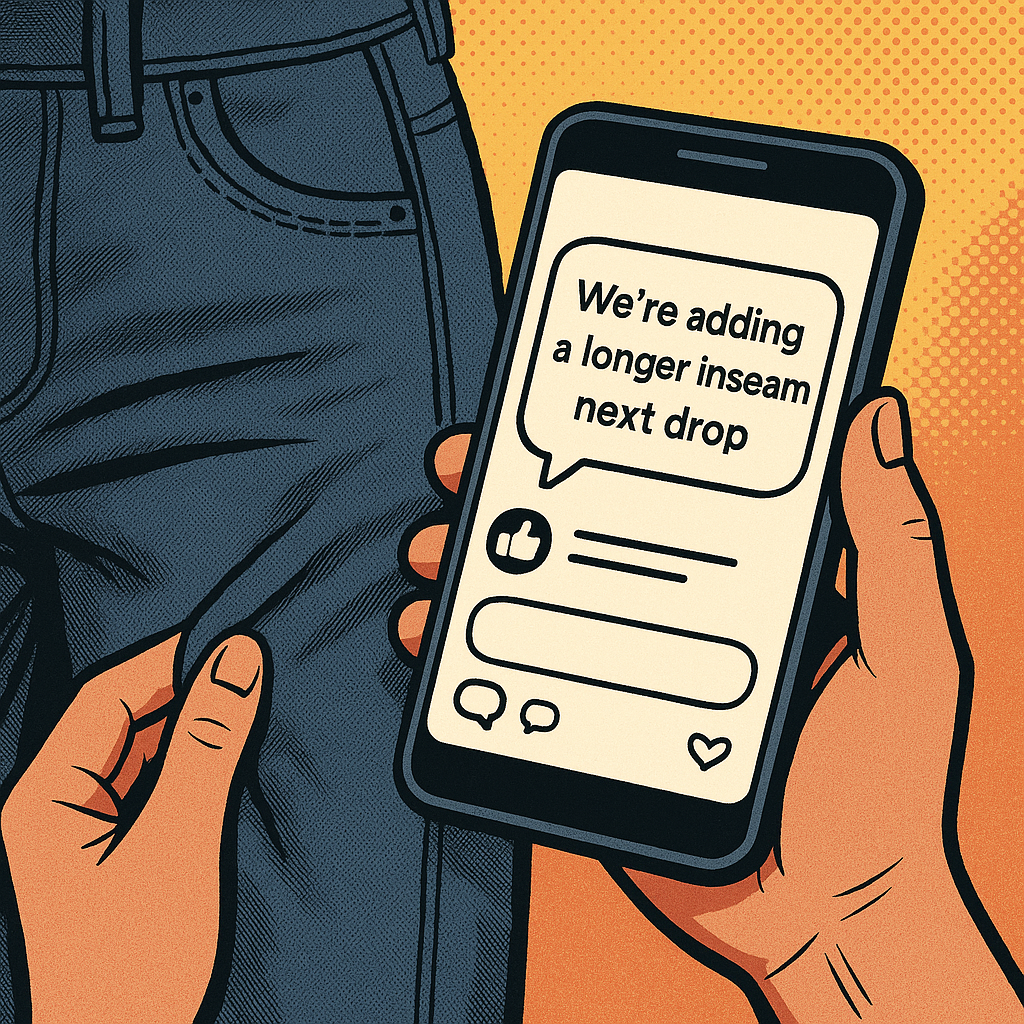
I don't trust "trend forecasting" nearly as much as I trust watching a brand revise a garment in real time. That's the innovation hotspot I care about: the hyper-short product iteration loop. When you see a brand comment back, "we're adding a longer inseam next drop" or "we're swapping to a higher GSM" (fabric weight) because creators complained on camera, you're basically watching the sample room happen in public.
This is where the deal-radar mindset matters. The early version is often the most expensive-per-wear because it's the one with the most unknowns: inconsistent sizing, a zipper that feels crunchy, a lining that clings, buttons that look cute in photos but spin the first time you sit. I learned this the annoying way after buying into a viral trouser cut where every other review said "size down" and the other half said "true to size." That isn't personal taste, that's unstable grading.
Here are the specifics I look for before I decide something is crossing from "one-off viral" to "repeatable product":
- They publish measurements, not vibes. Not "model is 5'8" wearing S" and a prayer. I want waist, rise, inseam, and stretch info. If a brand adds this after a wave of returns, it usually means their production is stabilizing.
- Fabric sourcing becomes named. You start seeing terms like "deadstock" or "Japanese denim" replaced with something trackable: composition percentages, mill references, even just a consistent hand-feel described across items. When sourcing is vague, substitutions happen quietly.
- Restocks look identical. Same color, same sheen, same drape in multiple customers' videos. If restock #2 looks like a different garment, you're watching them swap suppliers under pressure.
The contrarian part: the trend isn't peaking when everyone's wearing it. It's peaking when the brand stops changing it. Once the item has settled into a stable spec, the floodgates open. That is when resale fills up, dupes get decent, and your odds of paying full price for yesterday's excitement go way up.
Watch the returns tech, not the haul videos
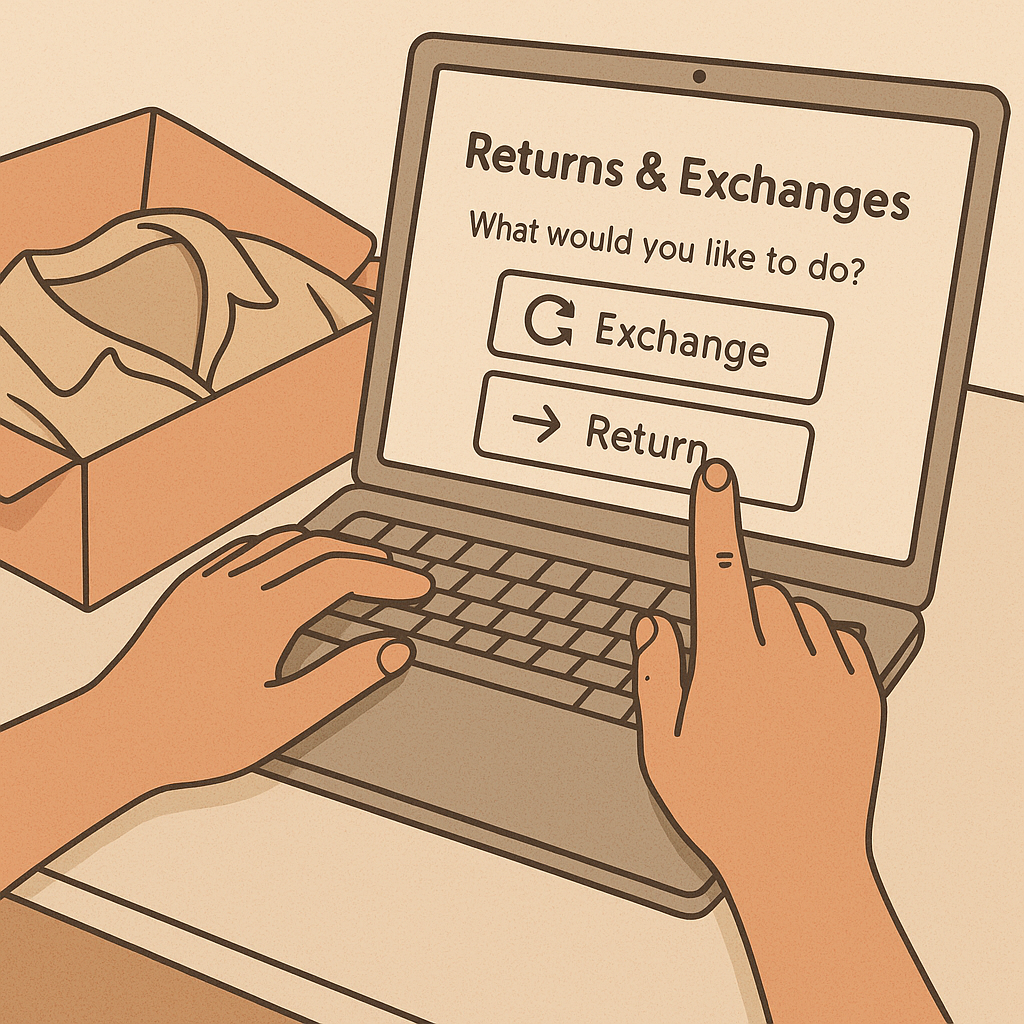
If you want an early warning that a trend is about to get massified, stop watching haul videos for a week and look at what brands are doing with returns and exchanges. It's unsexy, but it's a real innovation hotspot because it changes buyer behavior. The second returning becomes effortless, people buy more sizes, more colors, and more "maybe" items. That accelerates trend spread because the risk shifts from the shopper to the brand.
I pay attention to the tools, the wording, and the incentives. When a checkout starts pushing buy-now-pay-later options like Afterpay, that's one signal. But the bigger one is the post-purchase flow: instant exchange credits, automated label generation, and those portals that nudge you toward store credit with a little bonus. You can feel the strategy. A brand that expects a high return rate builds a smooth ramp for it, then uses the data to refine fit and predict demand. Suddenly the microtrend that used to be too fiddly to buy online (weird proportions, finicky fabric, unpredictable sizing) becomes scalable.
My practical checklist when I'm deciding whether to try something while it's still "early":
- Is there a true exchange option? Not "return and re-order." If the portal lets you swap size and keeps your discount code intact, that's a brand planning for volume.
- Do they mention return shipping clearly? Free returns tend to boost experimentation. Final sale and vague policies tend to create regret piles and angry comments.
- Do reviews include measurements? The best systems prompt reviewers for height, size bought, and where it hit on the body. When you see that structure, the brand is investing in reducing back-and-forth, which is a scale move.
Here's the part that sounds backward but holds up: a trend often dies faster when returns get easier. People try it, realize it doesn't fit their life or body the way it fit the edit, and send it back the same day. The online chatter moves on because no one feels stuck defending the purchase. So if you notice a brand rolling out slick returns tech while a style is going viral, don't assume it's proof the trend will last. It might be the mechanism that lets everyone test it and abandon it at the exact same time.