
Three hands-on ways I spot a trend cooling off: return reasons, fabric feel fails, and sizing swings that hit carts first.
Return reasons tell you what the trend was really for
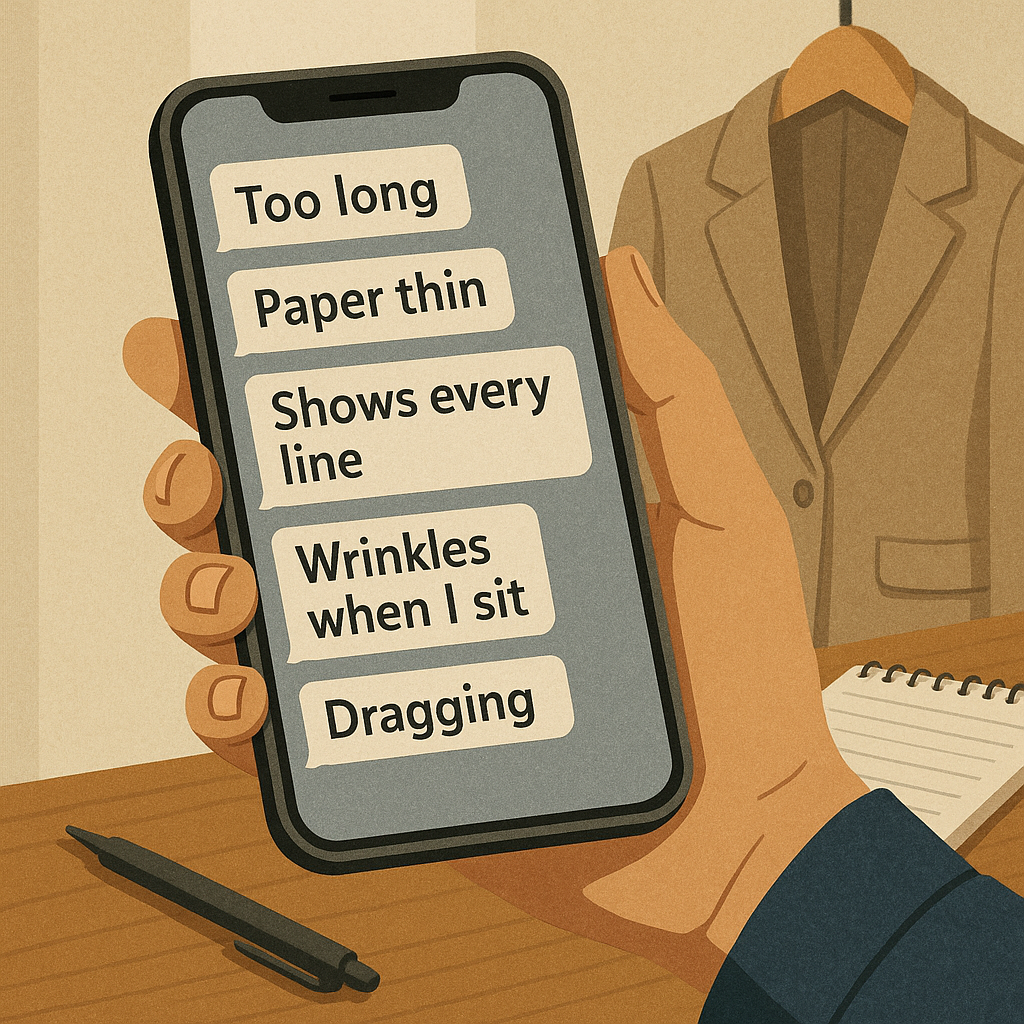
If you want to spot a shift early, ignore the hype copy and watch how people describe disappointment. Most big retailers now show some version of return insights or review tags, and even when they don't, the written reviews give it away. I keep a running note on my phone with the exact phrases I see repeating across a category for a couple weeks. When the language flips, the trend is already wobbling.
Example: a year ago, the loud complaint on wide-leg trousers was "too long" or "dragging." Tailoring problem. Then I started seeing "paper thin," "shows every line," and "wrinkles when I sit" pop up on the same silhouettes. That isn't about inseams. That's people buying the look, then realizing the fabric doesn't survive a normal day, so they send it back and stop recommending it. That kind of return reason is a signal that the trend was propped up by photos, not wear.
Here's how I use it in practice. I pick one item that represents the trend (say, a cropped blazer or a slip skirt), then I read 30 to 50 reviews fast and only write down the return-related sentences. Not the star rating, not the compliments. The returns. When the top return reason moves from "didn't fit me" to "not as expected" or "looks cheap in person," the consumer behavior has changed from trying to find your size to questioning the whole idea. That is when I stop buying into the trend at full price and start looking for the version that fixes the complaint (lined, heavier fabric, better closure) or I move on entirely.
The fabric-hand test that predicts resale demand
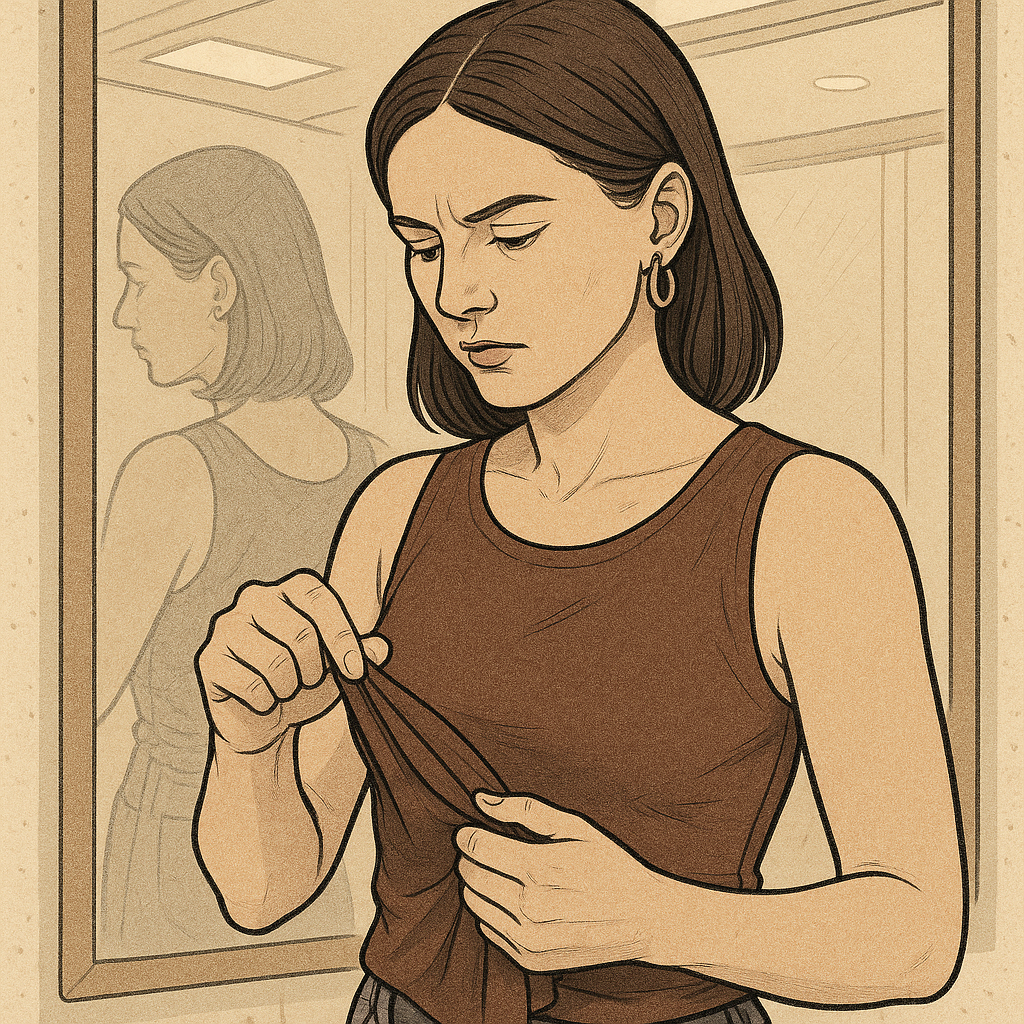
I learned this the unglamorous way, standing under department-store lighting, rubbing fabric between my fingers like I'm about to buy produce. When a trend is about to peak, you see a flood of versions that look similar online, but the keep-or-return decision happens in the first ten seconds at the mirror: grab the hem, pinch the fabric, tug the side seam, and see if it snaps back or stays tired.
My quick test is three moves, and I do them on anything that's trending hard: a long-sleeve mesh top, a satin maxi, a "butter" legging dupe. First, pinch the fabric and roll it between your fingers. If it feels slick but also squeaky or plasticky, it photographs well and wears hot. Second, pull it gently sideways at the hip or thigh area and watch the recovery. If you can see the stretch lines staying put for a beat, it will bag out by lunch. Third, crumple a corner in your fist for five seconds and release. Some wrinkles are normal, but if it comes out looking like a receipt, people won't keep it unless the price is low enough to forgive it.
Why this matters for consumer behavior: once shoppers get burned by a specific feel, they stop experimenting. They'll still click, they'll still add to cart, but they become picky in a different way. You start seeing reviews like "I wanted to love it" and "sending it back" even when the sizing is fine. And you see the resale market react, too. Items made from sturdier knits and heavier cotton blends keep moving. The flimsy versions stack up in listings with the same tired line: "worn once."
So when I'm deciding whether to buy into a rising silhouette, I don't ask if it's "in." I ask if the fabric will convince a tired shopper to keep it. If it won't, that trend burns bright and short, and you'll see the drop in enthusiasm before you see the drop in inventory.
Sizing whiplash is a sign brands are chasing, not leading
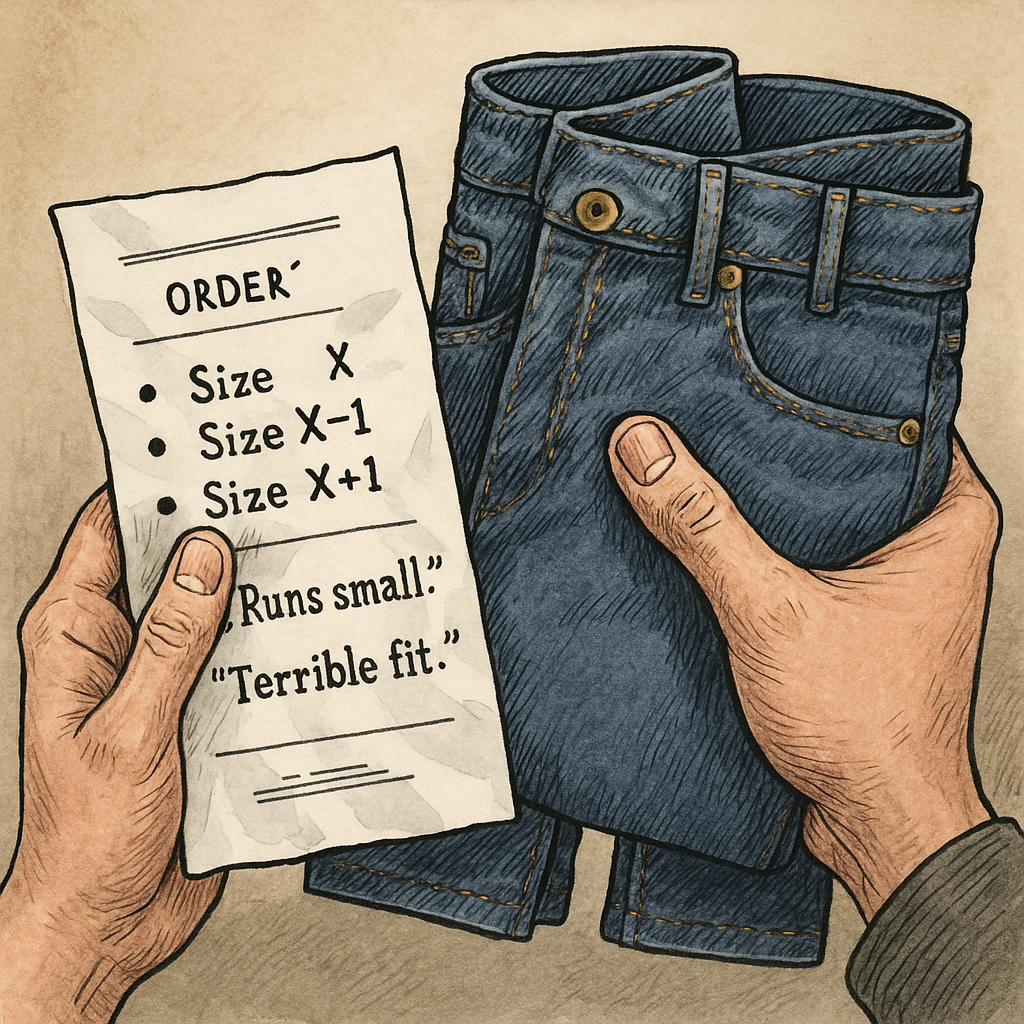
One of the clearest behavior shifts I see around a hot trend is sizing suddenly becoming everyone else's problem. Not because bodies changed, but because brands start rushing out versions to catch demand. The pattern is familiar: the first wave fits like you'd expect for that label, and the second wave feels like someone changed the block overnight. Shoppers respond the only way they can, by ordering multiples, returning multiples, and leaving detailed (often angry) fit notes. That's your tell that the trend is peaking and the market is scrambling.
I track this with boring receipts and a tape measure. If I'm tempted by a piece that lots of brands are pushing at once (cargo maxis, oversized button-downs, barrel jeans), I'll compare three things across listings: garment measurements when provided, the model's stated height and size, and the review line that says "I ordered my usual." When the same item gets a spread like: "my usual size was huge," "size up two," and "I needed a belt" all in the first page of reviews, I don't interpret it as people not knowing their bodies. I read it as manufacturing inconsistency or a silhouette being forced onto fabrics that don't behave the same.
There's also a cart behavior tell. When a trend is stable, shoppers buy one size and maybe one color. When sizing gets volatile, you see people explicitly describing multi-size orders and shipping churn in reviews. That signals friction, and friction kills repeat buys. Even if the trend keeps showing up on feeds, the consumer is getting trained to hesitate.
If you still want the look, go for versions with better measurement transparency: inseam listed, rise listed, waist measurement on the garment, not just a generic size chart. And if a brand doesn't give that info, I treat it as a try-on only, not a confident online buy. When enough shoppers make that same shift, the trend stops being a fun impulse and starts being work. That's usually the beginning of the comedown.