Pick three old purchases, map their triggers, then watch the same cycle reappear in your cart before it hits your closet.
Build a three-year timeline from pieces you already own
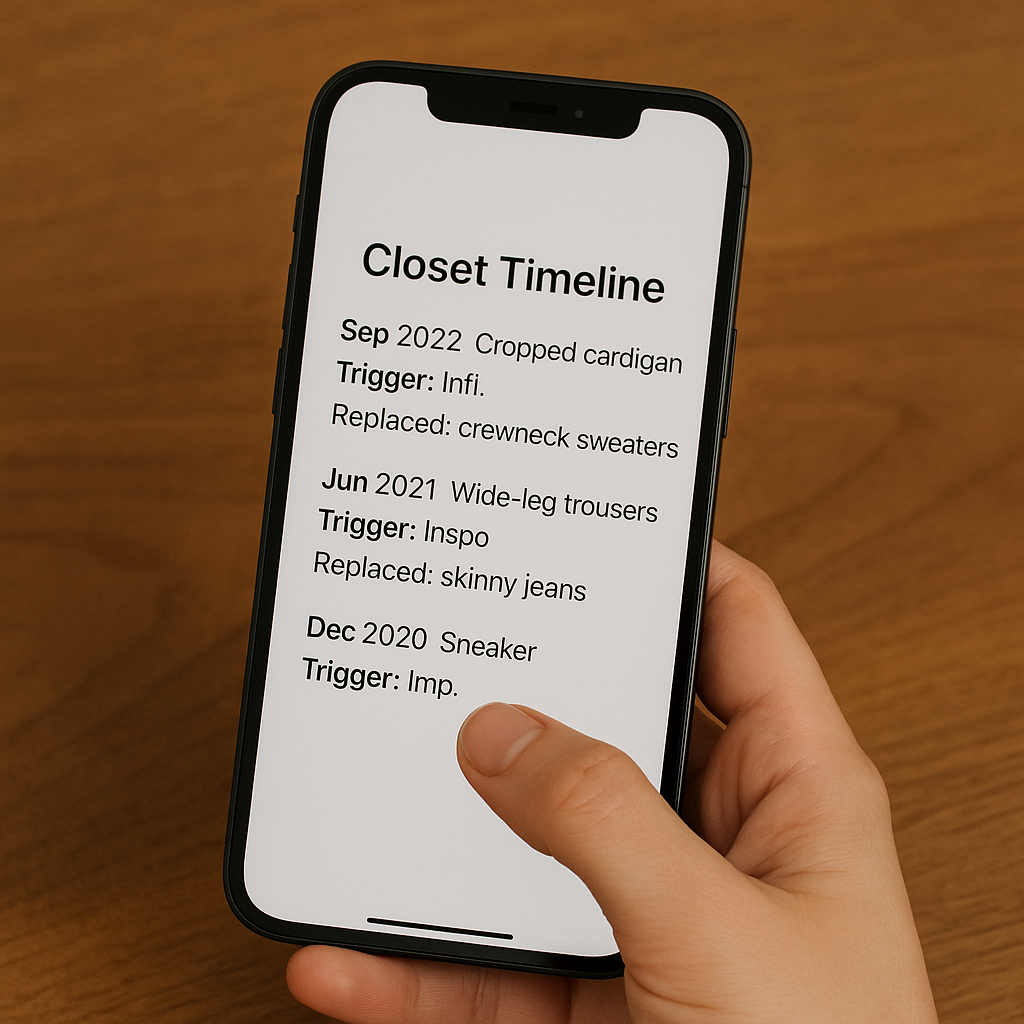
I started catching repeat trends the second I stopped thinking in seasons and started thinking in time stamps. Not a spreadsheet, nothing fancy. Just a note in my phone called “Closet Timeline” and three purchases I can remember clearly because I was annoyed with myself about each one.
Pick one item you bought because everyone suddenly wore it again (mine was a cropped cardigan), one you bought because you were tired of your basics (mine was a wide-leg trouser that looked amazing on someone else), and one “comfort” purchase that felt harmless (mine was a sneaker colorway I did not need). Now give each a rough date: month and year is enough. Then add the trigger next to it. Was it a single influencer outfit you screenshotted? A brand drop email? A wedding invite? A job change? I’m not trying to psychoanalyze you. I’m trying to identify your repeatable conditions.
Here’s the part that makes it trend-forward: add one line under each item called “what it replaced.” Cropped cardigan replaced my old crewneck sweaters because I wanted a waist. Wide-leg trouser replaced skinny jeans because I was bored with my silhouette. The sneaker replaced nothing; it was pure novelty. Those replacement notes tell you which cycles you’re in, because the same gaps show up again and again.
When you do this with three items, you get a pattern fast: every 10 to 14 months I get itchy about proportions, every spring I get tempted by “clean girl” minimalism, and every fall I convince myself I’m a boot person. Once that’s written down, the next trend wave is easier to see coming because it doesn’t feel new. It feels familiar, which is the whole point.
The rerun test: spot the exact detail that came back
Most trend “returns” aren’t a full rewind. They’re reruns with one new costume change, and if you can name that detail, you can decide whether you’re looking at a true recurrence or a different category of thing wearing the same name.
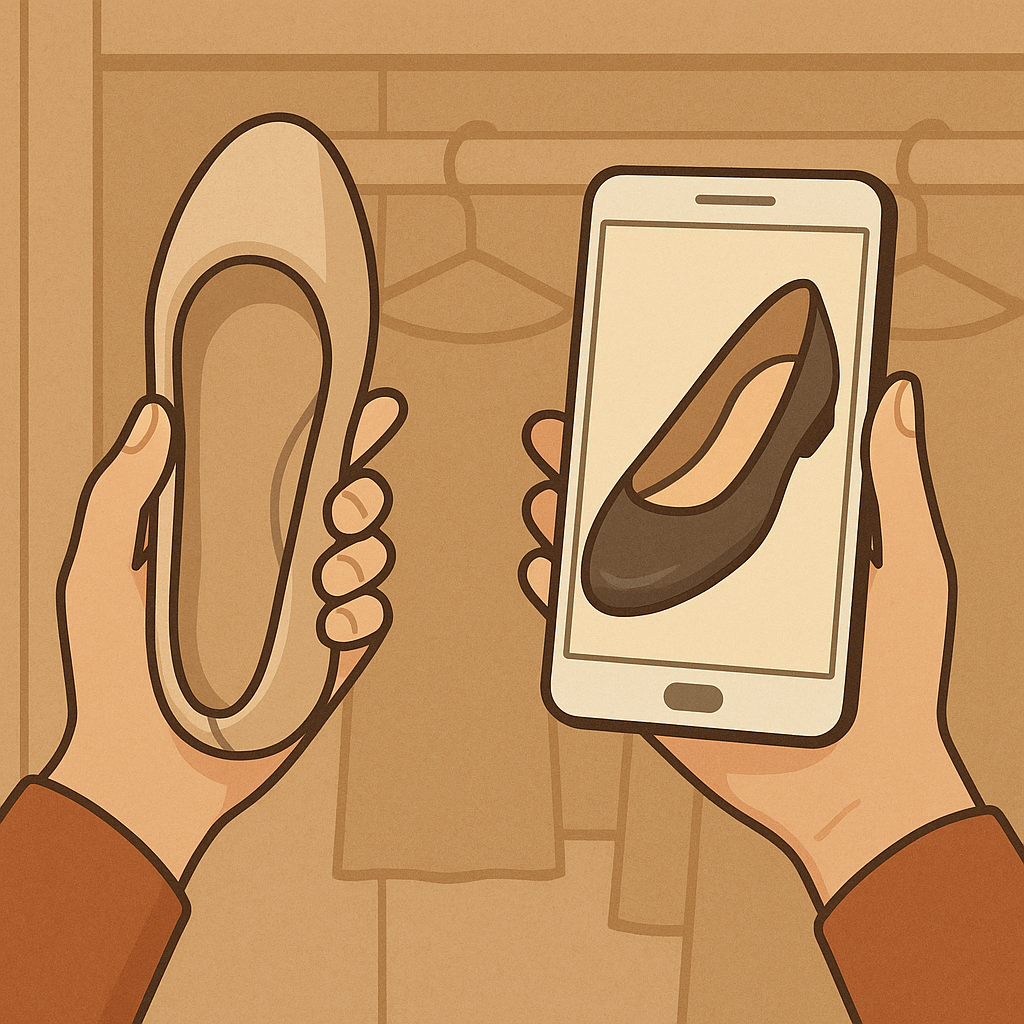
I do this in the most unglamorous way possible: I pull the old version out of my closet and put it next to whatever is showing up in my feed. Not mentally. Physically. The last time a ballet-flat wave rolled around, I grabbed my older pair and realized the thing coming back wasn’t “flats.” It was the toe shape plus the low vamp, and suddenly every shoe listing made sense. Same with the current flood of longline denim skirts: the repeat isn’t “denim skirt.” It’s the center back slit plus the low-rise placement on the hip, which changes how every top has to relate to it.
To make this useful, look for one of these anchors and write it down next to your timeline entries:
- Proportion (cropped top + longer rise, long blazer + short skirt, wide-leg + fitted tee)
- Hardware (visible zipper, grommets, a specific buckle shape)
- Fabric behavior (rib knit that clings, stiff denim that stands away, slinky jersey that shows seams)
- Finish (raw hem, contrast topstitching, brushed texture)
When you name the anchor, you stop buying the “headline” and start buying the detail you can style. And you can also tell when a trend is being sold as a comeback but won’t wear the same. Example: a lot of the Y2K revival that looked like low-rise in photos was mid-rise with a longer zipper and different pocket placement. It read similar on camera, but it felt completely different sitting down, and that matters when you’re deciding if you’ll keep reaching for it.
This is where I use my own closet like a reference library. If I can’t find an older version of the detail in my stuff, I’m cautious. If I can, I can predict the annoyance points too: which bra shows, where it creases, whether the waistband rolls. Trend recurrence is never abstract in real life. It’s always a seam, a rise, a hem, a toe.
Track the cycle in what you almost buy, not what you wear
I used to think I was “late” to trends because my closet didn’t change that fast. Then I looked at my saved items and realized I’d been early for months. I just didn’t buy. That’s the better signal anyway, because it catches the recurrence while it’s still a flicker, before it hardens into a uniform.
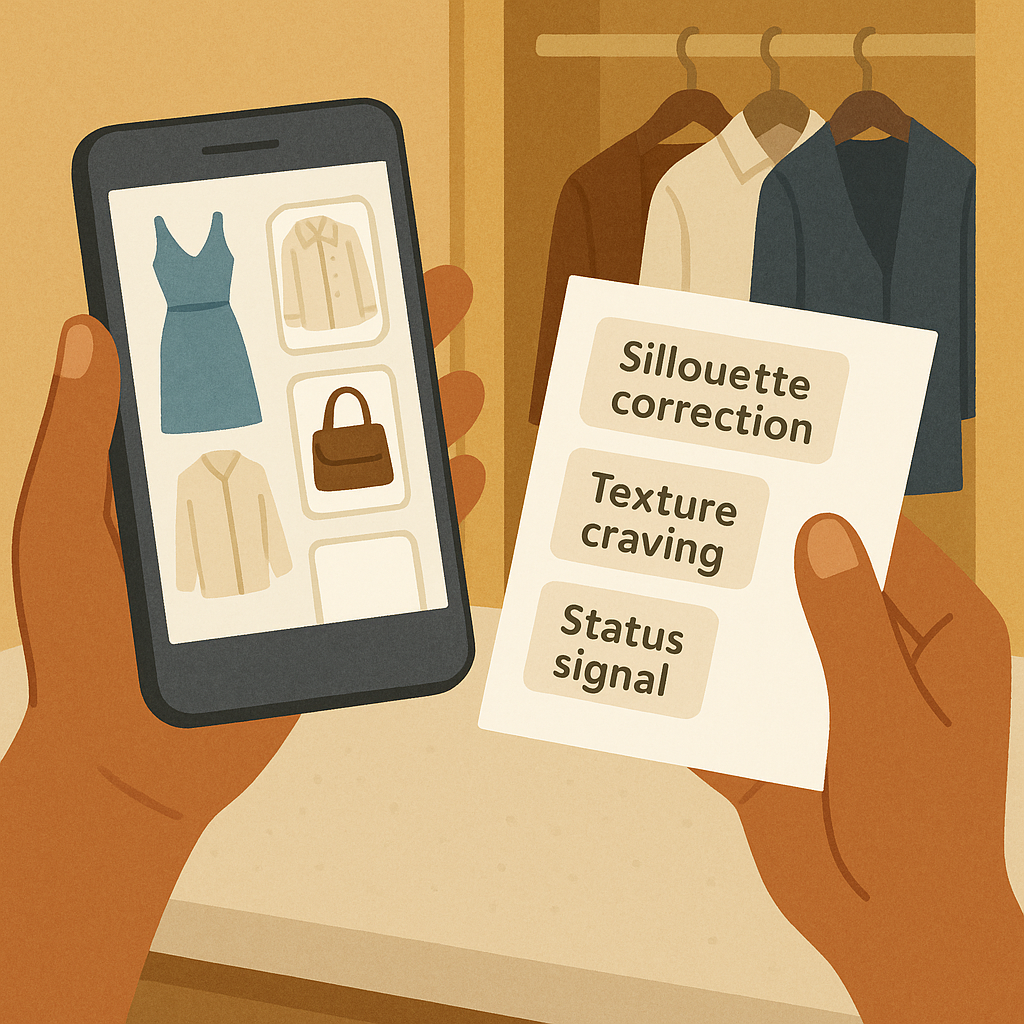
Do this once a week for a month: open wherever you save stuff (browser bookmarks, Instagram saves, shopping app wish lists, email “drop” announcements) and pull three items you almost bought. Not the ones you purchased. The almost-buys. Those are pure desire without the reality check of your laundry routine.
Now label each almost-buy with one of these cycle tags:
- Silhouette correction: you want a different waist, leg shape, shoulder, or hemline than what your closet currently gives you.
- Texture craving: you’re chasing a hand-feel, like brushed fleece, slinky satin, or a chunky rib.
- Status signal: you want the recognizable version (logo placement, a specific stripe, a known bag shape).
- Event pressure: you’re buying for a trip, a season change, a new role, or a social calendar shift.
Here’s what changed my accuracy: I started comparing those tags to my timeline triggers from earlier years. If the tags match, it’s probably a recurrence wave that will keep coming back until I address the underlying gap with something that works for my body and my schedule. If the tags don’t match, it’s more likely a one-off obsession and I can let it burn out in my saved folder without making it my problem.
Small, practical trick: add one line to each almost-buy called “what I would wear it with, tomorrow.” If you can only name an outfit that requires buying two more things, you’re not seeing a trend. You’re seeing a costume. When I can name the exact jeans, the exact bra, and the exact shoes I already own, that’s when I know the recurrence is worth paying attention to, because it will survive contact with a random Tuesday.
I don’t need to predict the whole fashion cycle. I just need to recognize when my own cycle is repeating. My cart tells me first.