
I track resale saves and search spikes from September to March so I can wear the wave, not chase it.
Google Trends is my calendar, not my oracle
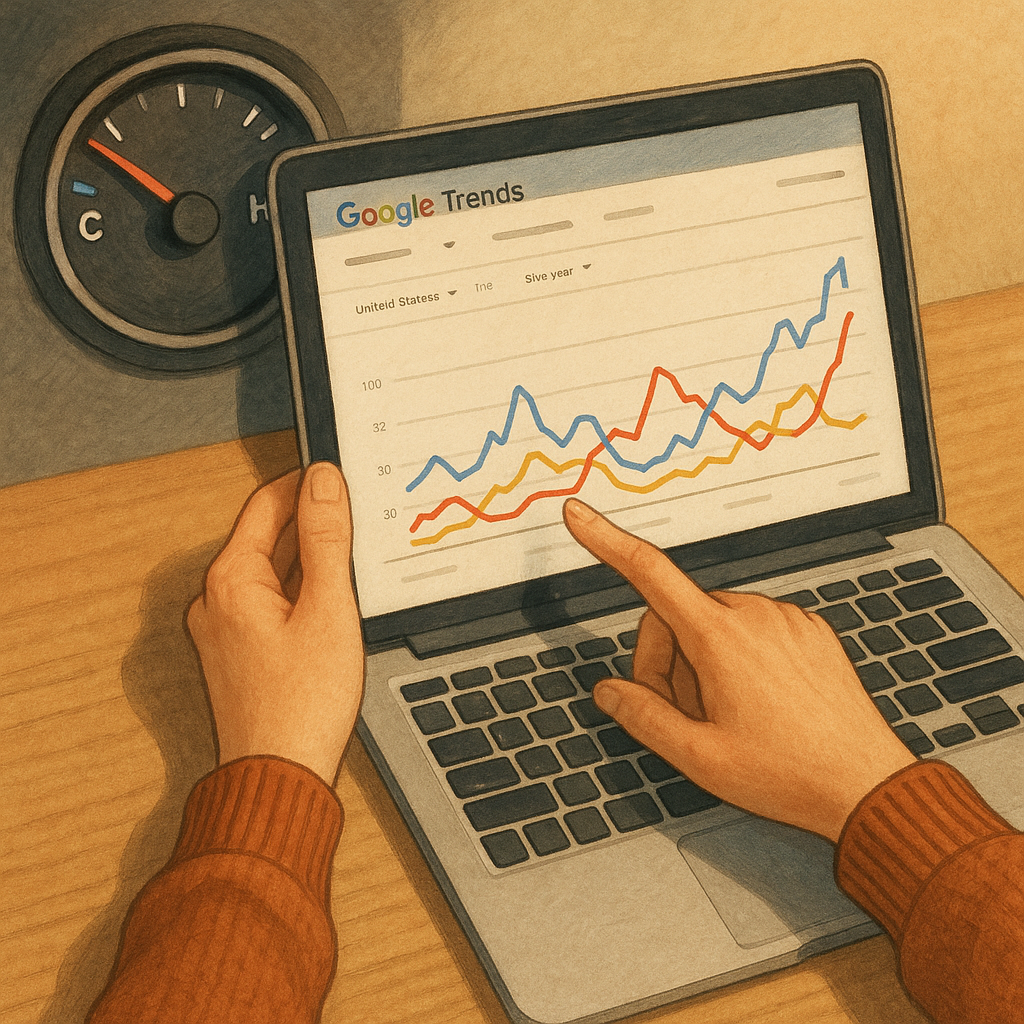
I use Google Trends the same way I use my car's temperature gauge. It doesn't tell me where I'm going, but it tells me when the season has turned and everyone is about to remember a specific item exists. The trick is to stop treating it like a single magic graph and start treating it like a comparison tool. I open Trends, switch to the U.S., set the time range to the past five years, and then run two or three terms against each other that people would genuinely type. Not brand slogans. Plain stuff: "barn jacket" versus "shacket," "loafer" versus "ballet flat," "cashmere sweater" versus "merino sweater." You can feel the year-to-year rhythm right away.
My rule is the first-chill-week rule: I take action when I see the first meaningful temperature drop in my city and the search line starts bending up, not when it's already vertical. That's usually late September into October for outerwear where I live, and then a second mini-surge after the first cold snap that makes everyone realize their coat from last year smells like storage. In spring, I watch for the weirdly specific pivots: "linen pants" and "white skirt" start climbing before I'm emotionally ready to show my ankles, and that's exactly the point. If I wait until I'm ready, I'm late.
What makes this useful for trend watching is the lag. Search interest often rises after the first few posts hit TikTok and Instagram, but before retailers start blasting the item in email subject lines. When I see that bend, I don't buy on the spot. I go into my closet and pull the nearest adjacent thing I already own and wear it that week. If it feels good, then I shop. If it doesn't, I just saved myself from buying a trend I only liked on other people.
Poshmark saves tell me what's about to get expensive
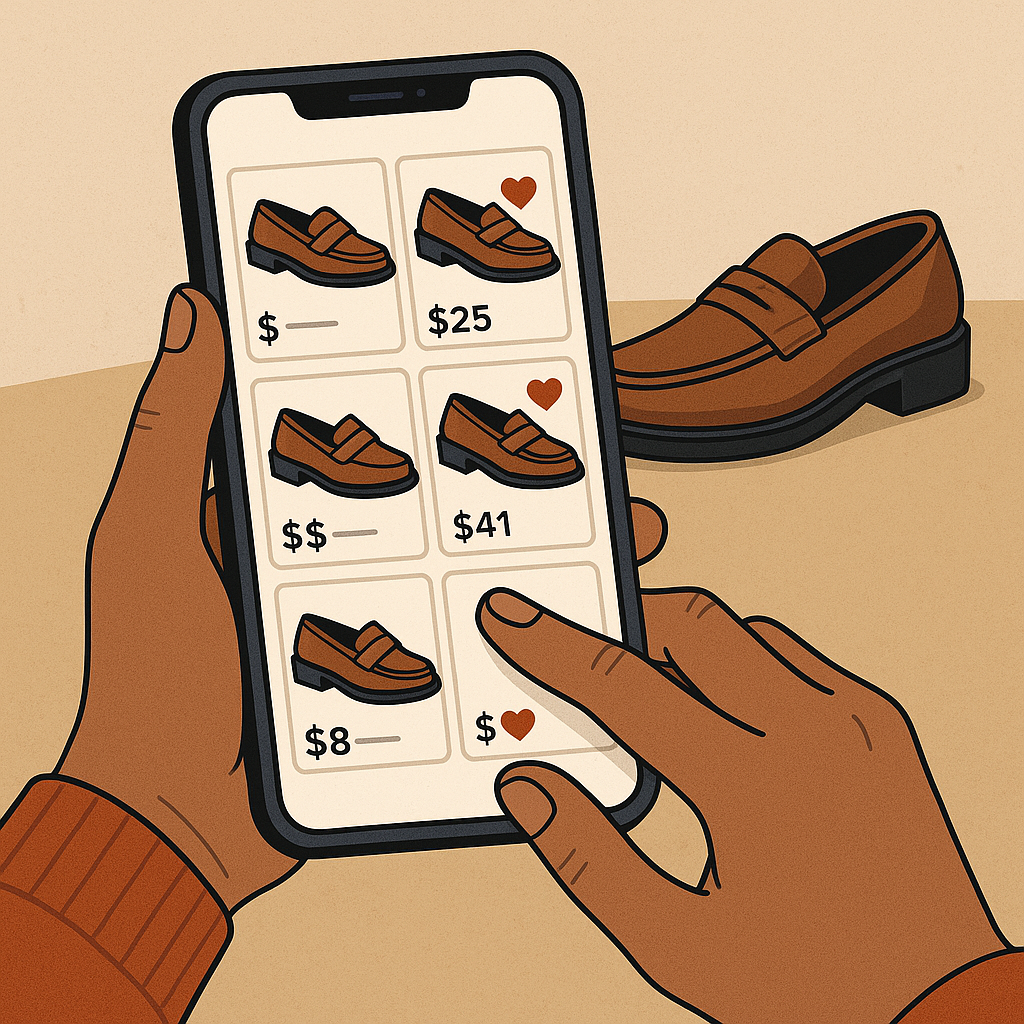
I learned this the annoying way with loafers a couple of falls ago: I was casually liking pairs, telling myself I'd circle back, and then suddenly the same mid-range brands were $20 to $40 higher across the board. Not because the shoes changed, but because the demand did. Now I treat "saves" as a pre-price signal. On Poshmark (and this works on other resale apps too), I search a specific item in a tight way, then I open a handful of listings that look like the market's middle, not the unicorn deal and not the brand-new-with-tags flex. I hit Like on anything I'd genuinely consider, even if I'm not buying that day, because I want it in my Likes list where I can see the save counts and the seller behavior.
Here's what I watch, week to week, especially during seasonal transitions. First, the save count pace. If a listing is collecting likes faster than similar listings (say it was at 12 saves on Monday and it's at 35 by Friday), that item is moving from "nice" to "everybody's looking." Second, I watch whether sellers are sending aggressive offers. Early in a wave, you'll get offers within minutes. When the wave crests, the offers slow down because sellers know they'll get their number from someone else. Third, I watch relists. A relist with a slightly higher price is basically a seller saying, I know what I have now.
This is where the seasonal-interest angle matters. The same exact shoe can be sleepy in July and frantic in October. The saves start rising before you see the full price reset, so that's when I decide whether I'm buying in. If I'm in, I set a personal ceiling and I don't negotiate past it. If I'm not in, I stop liking and I stop browsing because it's too easy to get dragged into a trend purely because other people are crowding around it.
One practical move: when you see saves spiking on the hero item, look sideways. If lug-sole loafers are heating up, penny loafers often lag a few weeks and still scratch the vibe. That lag is where you can shop with a clear head.
The October-to-March outfit test I do in a fitting room
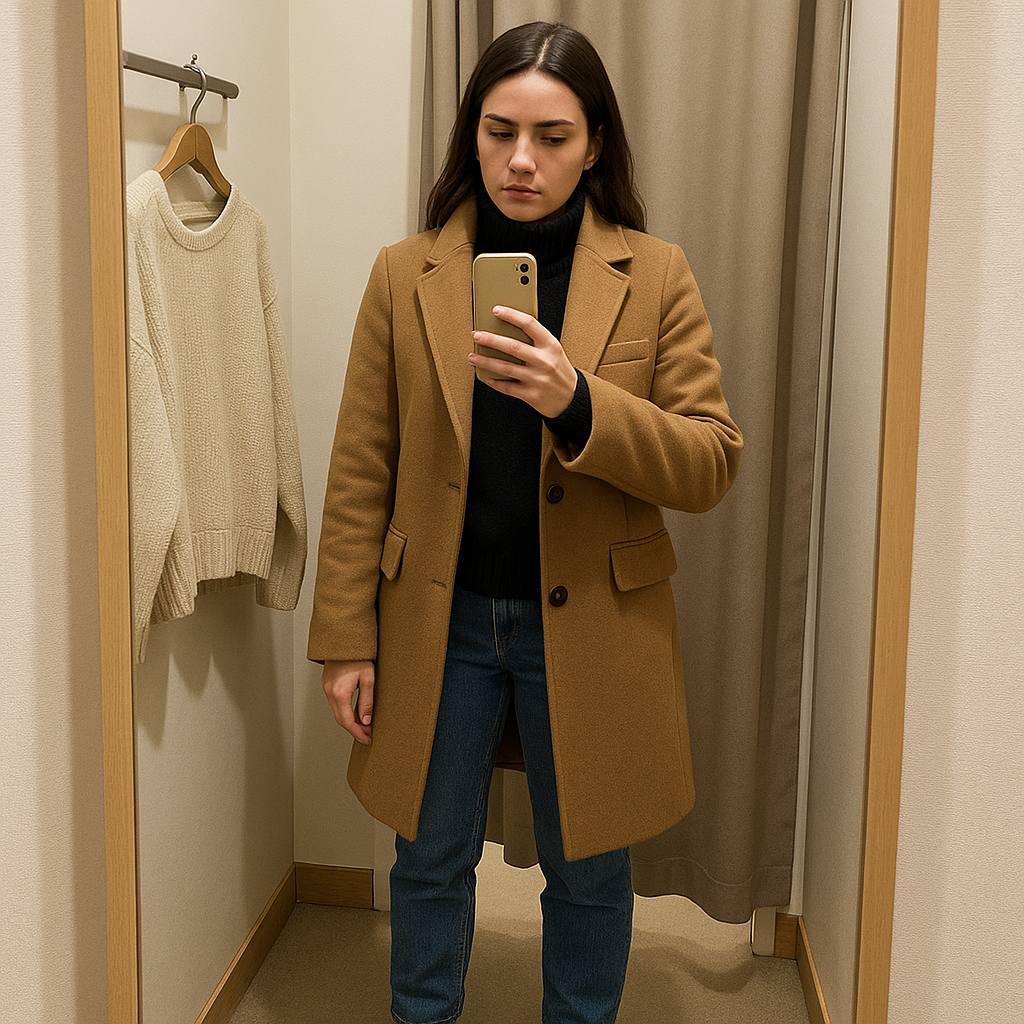
If you want to spot trends before they peak, you have to stop evaluating pieces in the exact conditions that make them look their best. Stores are warm, mirrors are flattering, and you are not wearing your actual life. So when I'm trying a piece that I suspect is about to have a seasonal surge (coats, knits, boots, anything that gets "first cold day" attention), I run an October-to-March test right there in the fitting room. It's not a checklist on my phone. It's just three quick swaps that mimic how I'm going to wear it when the novelty wears off.
First swap: I put my real base layer back on. If I'm in a store in a thin tee, I'll pull on a heat-tech style top or a slim long sleeve I keep in my bag in late fall. If the item only works when I'm half-dressed, it isn't going to survive January. Second swap: I do a coat test, even if I'm shopping for something else. I'll throw my everyday coat over the piece and check for bulk at the underarm and collar. This is where a lot of trending silhouettes die for me. Big sleeves look fantastic on a hanger and then get weirdly compressed under a practical coat, like the outfit is fighting itself.
Third swap: shoes, but not the cute shoes. I picture the shoe I'll wear when it's 34 degrees, the sidewalk is wet, and I'm trying not to slip. For me that's usually a boot with a real sole. If the hem length or the pant opening looks off with that shoe, I know the piece is mostly a photo moment. And that's fine, I just don't buy it for my closet.
Why this belongs in trend watching is that seasonal interest amplifies regret. When everyone starts searching the same item, it's easy to convince yourself you'll wear it nonstop. The fitting-room October-to-March test yanks you back into reality fast, with the exact layers and proportions that show up when the temperature drops and your enthusiasm drops with it.