
Three weirdly reliable places I watch for niche style demand: dance resale bundles, job-uniform swaps, and sewing pattern backorders.
Dance resale bundles are a trend report with receipts
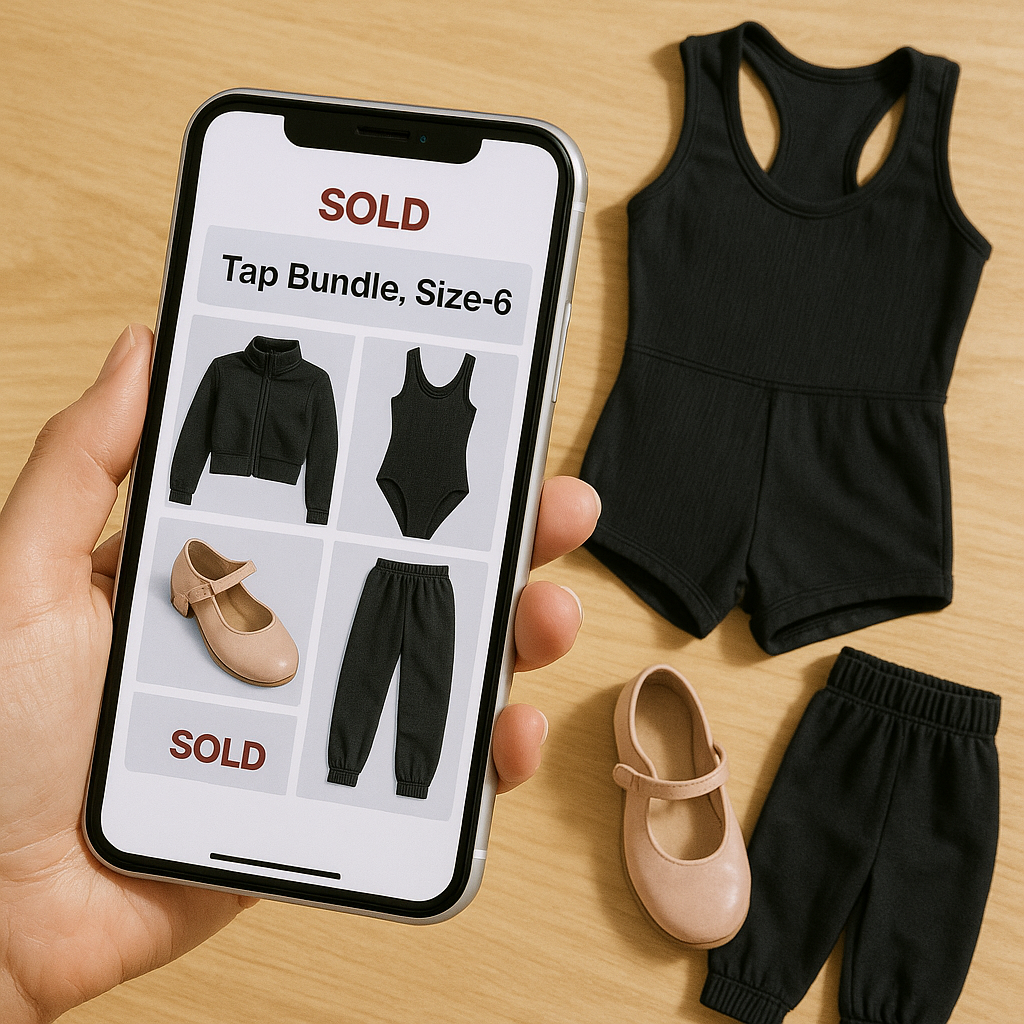
I used to ignore dancewear as its own universe. Then I started watching resale lots, the ones titled like “tap bundle, size 6-7” or competition warmup on Poshmark and eBay, and it clicked: parents are basically doing bulk purchasing audits in public. When five different sellers in a row are offloading the same cropped zip jacket silhouette, or the same ribbed unitard look, that isn’t random. That’s a niche demanding repeats. And because dance people are picky about stretch, seams, and how things move under lights, the fabric notes in the listings are unusually useful. Sellers will mention double-line or snagged mes or pilling at thigh because those are the failure points.
Here’s how I use it as a niche-finder, not a shopping spree. I search by category, then sort by sol and look for patterns in bundles: what gets included as the extr (usually the thing that stopped working), and what gets kept out of the lot (usually the thing people are rebuying). Warm-up layers are the tell. If the same lightweight track pant keeps showing up, but the same legging never does, that means the legging is getting worn into the ground and replaced, not resold.
Then I cross-check the brand names that pop up repeatedly. In dance resale, you’ll see Capezio, Bloch, and sometimes Lululemon sneaking in as the warm layer. When a non-dance brand starts showing up in a specialized kit, that’s a niche bleeding into everyday style. It’s how I caught the return of fitted zip jackets on people who don’t own toe tape. And if you do decide to buy, don’t treat like ne as a hygiene promise. It’s just a condition label. I only buy items that can handle a real wash cycle, and I skip anything that has ambiguous stains, since you can’t verify storage history from a photo.
Job-uniform swap groups predict the next off-duty silhouette
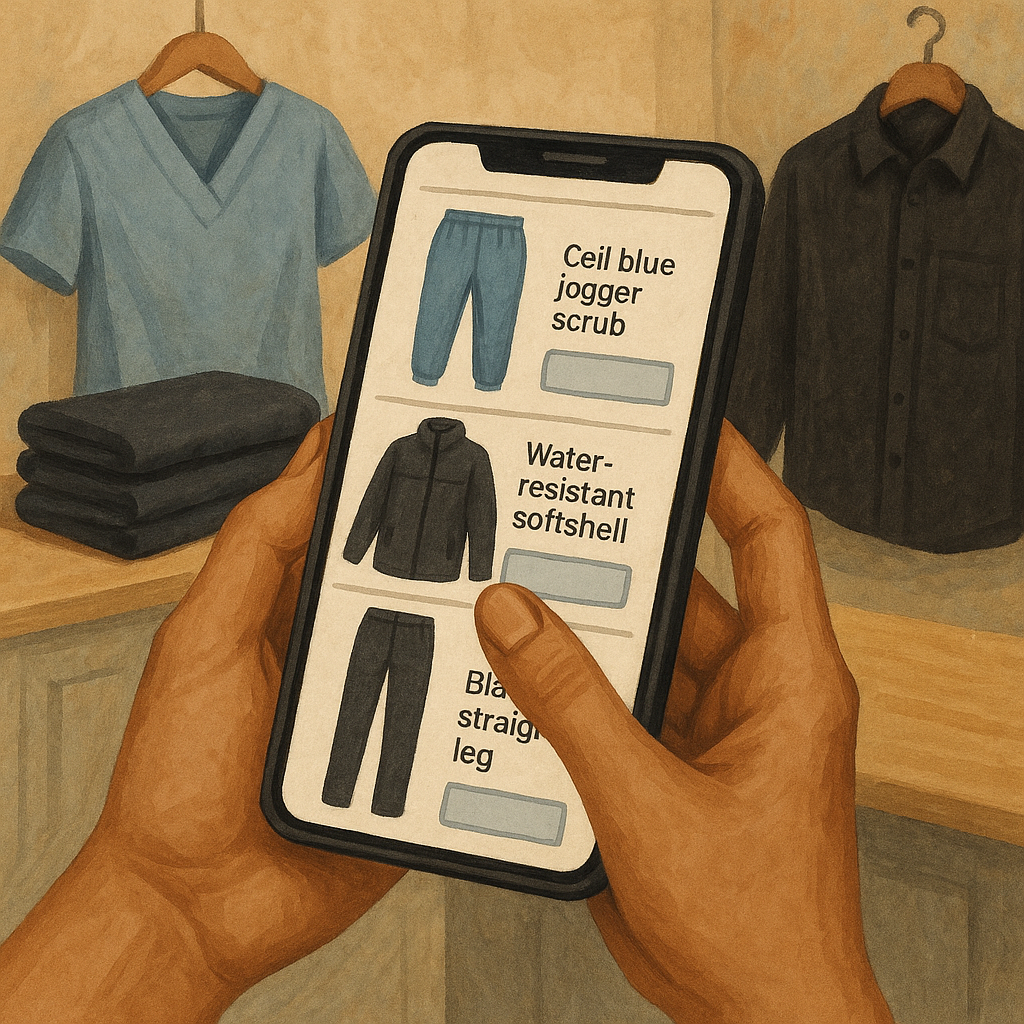
If you want unexpected market niches, stop staring at runway recaps and spend ten minutes in the unglamorous corners: Facebook uniform swap groups and workwear resale listings. I’m talking scrubs, hospitality blacks, warehouse layers, and the odd stack of branded fleeces from a corporate program. It sounds boring until you notice what people are hunting for. The requests are specific in a way fashion commentary never is: “ceil blue jogger scrub, petite inseam” or water-resistant softshell that passes dress cod or “black straight-leg that doesn’t bag at knees.” When a lot of different workplaces start asking for the same comfort feature, it usually leaks into everyday basics a season later.
I watch three tells. First, the language shift from brand to feature. When the post isn’t looking for Cheroke but “need scrub top that doesn’t flash my bra when I bend,” that’s a design problem begging for a mainstream solution. Second, the size distribution. If the listings skew heavily toward one cut, it means that cut was issued or adopted widely, which is a demand signal even if it isn’t being called a trend yet. Third, the color constraints. When a niche is stuck with a limited palette (black, navy, ceil), people start chasing texture and shape instead. That’s where you see rib knits, cargo pockets, quarter-zips, and wide waistbands show up in work contexts first.
Concrete example: I started seeing softshell vests and lightweight fleeces in uniform groups tied to logistics and event staff, often with the same complaints about arm mobility and heat. The workaround was consistent: people wanted a vest that didn’t ride up when reaching, plus a high collar that didn’t feel like sandpaper. Those are the exact reasons vests boomerang into regular closets, and not because an influencer suddenly discovered layering
If you shop these channels, be picky about seller transparency. I look for listings that show the care tag clearly and say whether the item was machine-dried, because heat does weird things to elastane. And I don’t buy anything with heavy deodorant residue or mystery discoloration. A listing photo can tell you about fabric wear and seam stress, not whether something was stored in a damp locker for six months.
Sewing pattern backorders tell you what makers are betting on
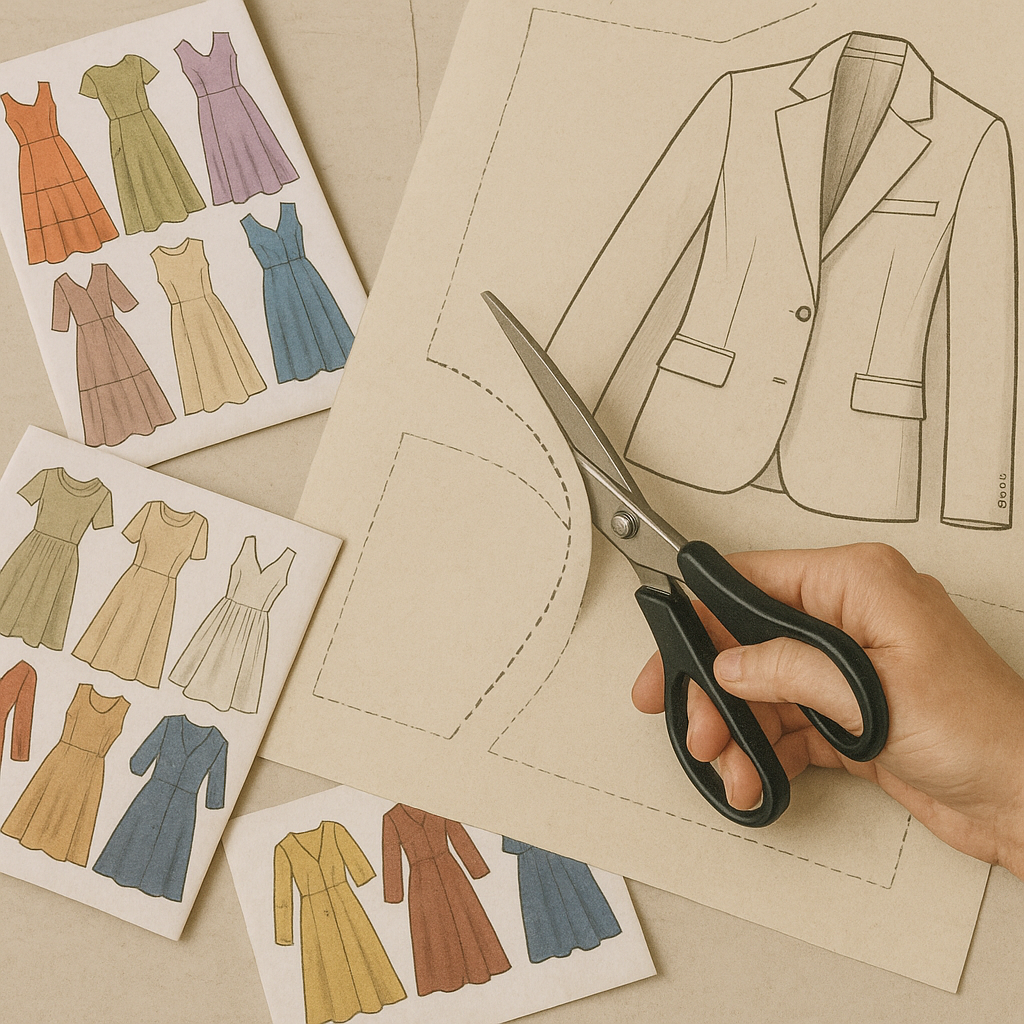
I don’t sew every garment I wear, but I sew enough to know this: pattern people are ruthless about value. They don’t keep making something unless the shape earns its closet space, and they don’t pay twice unless the first version worked. So when I see a specific style quietly backordered at the big pattern brands (McCall’s, Simplicity, Butterick, Vogue Patterns), or a certain indie PDF getting discussed to death in maker forums, I treat it like a niche demand signal. This isn’t about aesthetic moodboards. It’s about what people are willing to cut, press, unpick, and make again.
The angle I care about for unexpected niches is which silhouettes become gatewa makes. A pattern that looks polished but is forgiving to fit will pull in new sewists, and those sewists will seed the look into local life: office outfits, weddings, school pickups, all of it. You can spot it in the way people talk about modifications. If everyone is shortening the same hem, swapping the same sleeve, or adding the same waist tie, that mod becomes the actual product the market wants.
My quick scan routine:
- Look at the pattern line drawings first, not the styled photos. The drawings show the true proportion and seam placement.
- Read reviews for repeated fit notes: shoulder width, bust dart placement, gaping at neckline, drag lines at hip. Those show where the design is pushing bodies to accept a new shape.
- Check fabric recommendations. When a pattern that used to be shown in stable wovens starts getting made in ponte or sweatshirt fleece, people are turning it into an everyday uniform.
A niche I’ve seen this way: the return of structured-but-soft jackets with minimal interfacing, basically the blazer for people who refuse to dry clean. Makers will describe using fusible on the lapel only, skipping heavy shoulder pads, and relying on a slightly beefy knit. That tells you the market wants the look of tailoring without the stiffness.
If you’re trying to shop ahead of the curve, translate that into ready-to-wear terms: look for knit blazers, ponte jackets, and collar shapes that mirror those line drawings. The maker world is slow and literal. When it starts leaning hard on one silhouette, it usually means demand is already there, just not loudly named yet.