
These three profile breadcrumbs (not posts) tell you who’ll move first and what they’ll wear next.
Pinned Highlights: the fastest way to see what they’re building
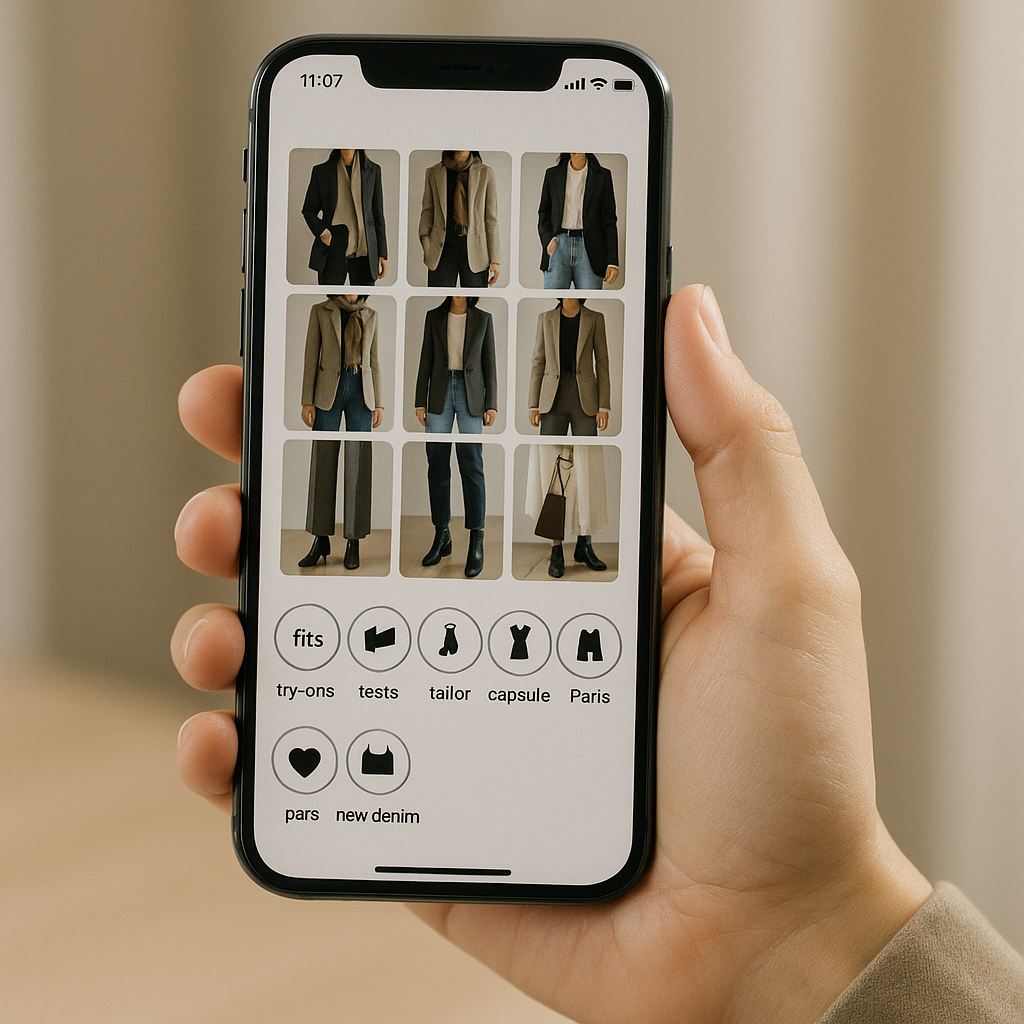
If you’re trying to spot what an early adopter is about to make feel normal, stop scrolling their grid and go straight to their pinned Highlights. Not the ones labeled “Travel” or “Q&A.” The ones with weirdly specific names that sound like a saved folder on someone else’s laptop: fits try-ons tests tailor capsule Paris new denim Those are the creator’s working notes. I treat highlight covers like product development, because that’s basically what the best dressers are doing in public.
Here’s what I look for, in order. First, the repetition of a single styling move across different outfits. If the same person keeps doing a long scarf tied low over a blazer, or keeps cinching a cardigan with a thin belt, that’s not an accident. Second, the close-up shots they choose to save. Early adopters save texture: the rib of a knit, the sheen of a satin skirt, the tooth of raw denim, the curve of a shoe’s toe box. Third, the sequence. When the highlight starts with a closet clean-out and ends with three nearly identical outfits, that creator is narrowing into a uniform, and uniforms are where trends go to become purchase behavior.
One very practical tell: if they keep a Highlight called something like return or misses I pay extra attention. People don’t save their flops unless they’re trying to debug a silhouette. You’ll see them reject the same thing over and over (too cropped, wrong rise, shoulder seams sliding back), and then suddenly one item solves it. That’s the item other creators will copy in two months, because it photographs cleanly and it behaves on a moving body. Highlights show you the problem they’re solving, not just the pretty final shot.
Bio micro-edits that hint at a wardrobe pivot
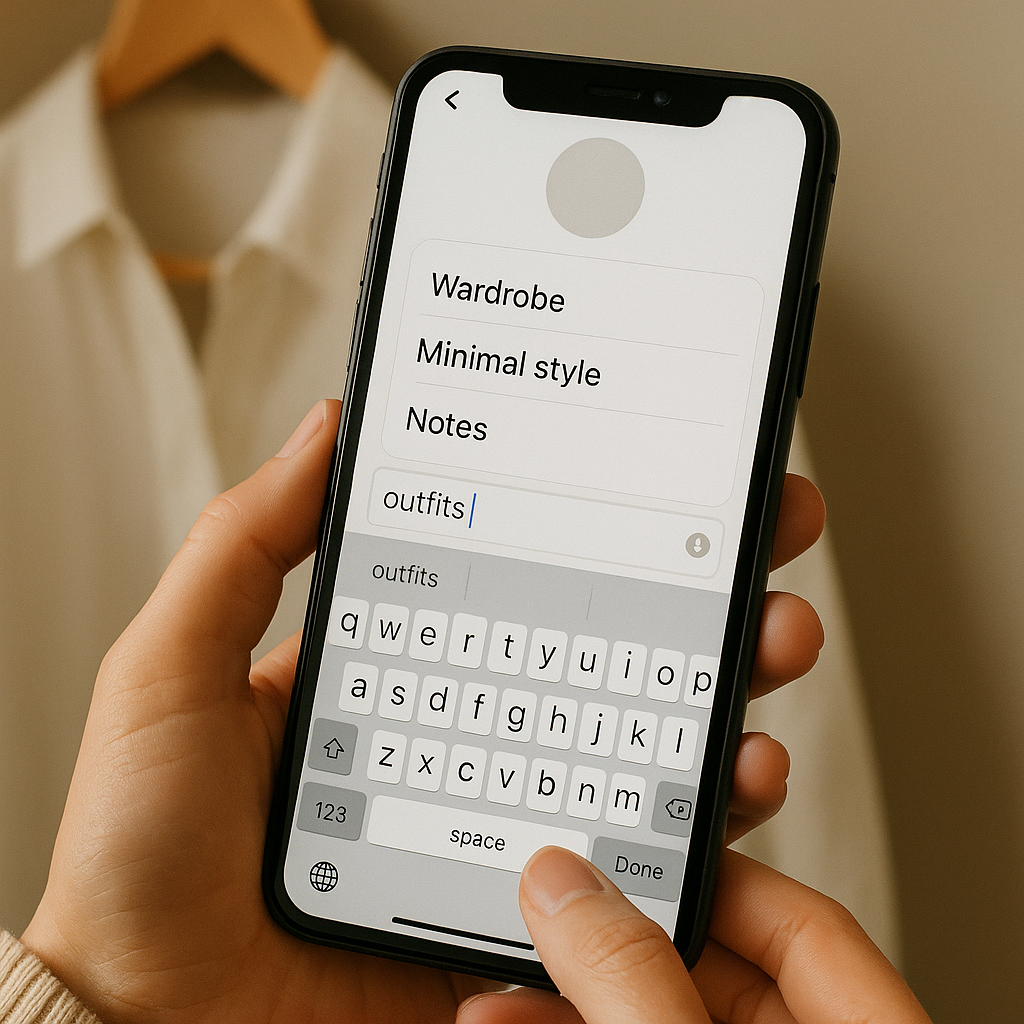
I used to ignore bios because they read like a brag line and an email address. Then I noticed something: the creators who move first tend to rewrite their bio the way brands rewrite packaging. Tiny changes, but they telegraph a shift in what they’re about to post and, more importantly, what they’re about to wear.
Start with the nouns. When someone swaps outfit for wardrob or stylin for getting dressed that usually means they’re moving away from one-off looks and toward repeatable shapes. Same with vintag becoming archiv or resal becoming curated Those aren’t just synonyms. The second word is a permission slip for higher price points, more designer references, and a slower trend cadence. If you’re trying to catch fashion before it hits mass saturation, you want the people who are switching from haul language to edit language.
Next, look at what they remove. When a creator deletes a specific platform callout (daily link / shop my LT / Amazon find) and replaces it with something like note or a newsletter, I read that as: less volume, more point of view. That usually correlates with fewer microtrends and more silhouette commitments. You start seeing the same trouser rise over and over, the same jacket length, the same shoe shape. It’s not that they’re above trends. It’s that they’re staking a claim early so everyone else can follow later.
One more: the line breaks and punctuation. If their bio suddenly becomes cleaner and more spare, their outfits often follow. If it gets more playful (extra descriptors, location hopping, a new founde title), you may see more statement pieces and bolder color experiments. None of this is magic. It’s just noticing that the profile is the pitch deck, and the closet is the proof.
The link-in-bio storefront tells you what brands are seeding
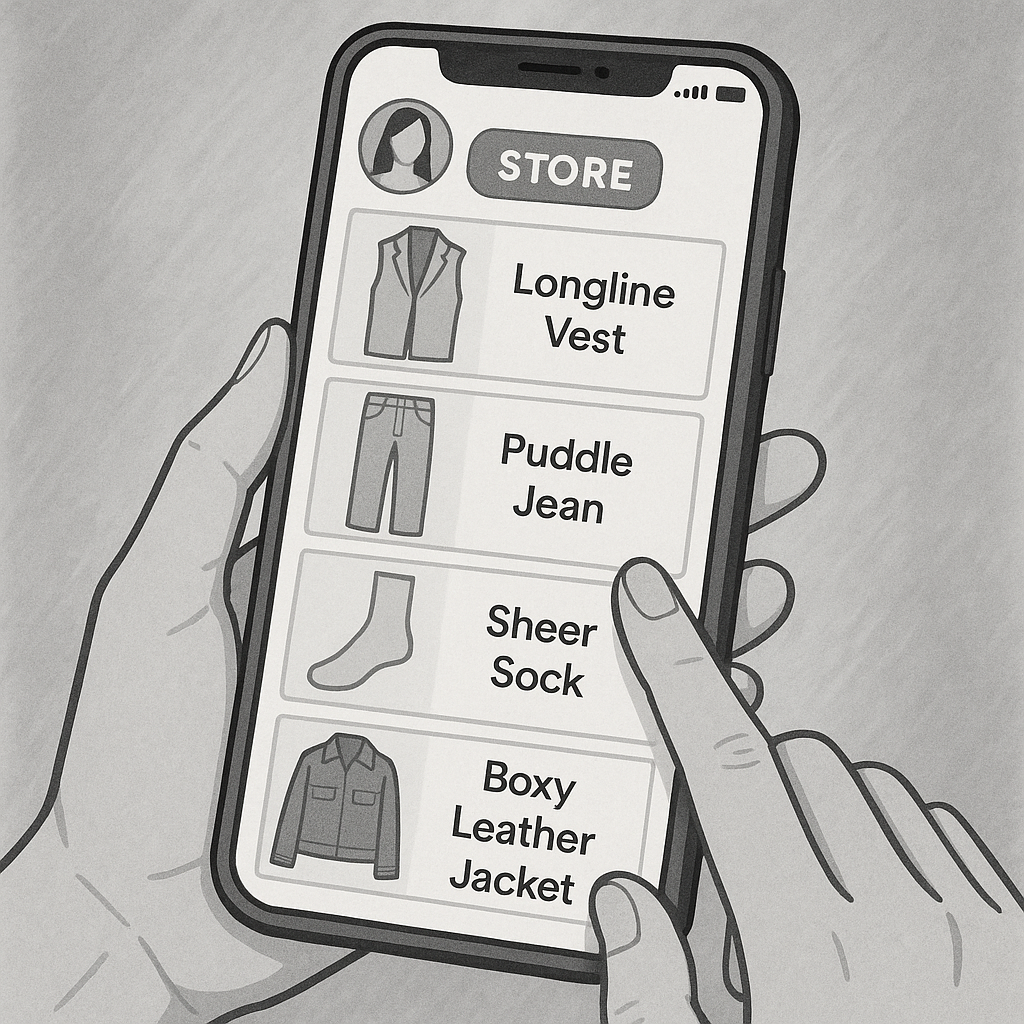
Most people click the link in bio to shop the exact top in the exact color. I click it like I’m casing a grocery store aisle. The storefront tells you what the creator is being asked to push, what they refuse to push, and what they can sell without trying. That last one is where you get early signal.
Open their link hub and ignore the first big button (it’s usually the latest sponsorship). Look for the clusters underneath: the repeated retailers, the repeated product types, and the oddly specific collections. If you see a creator with three separate links that are basically black kitten heel low slingback and almond-toe pump that’s not random. That’s a shoe shape being normalized by repetition, and it’s often upstream of what mid-market brands will flood later. Same for longline vest puddle jean sheer sock or boxy leather jacket The language of the links is the language of demand.
Then check how the links are organized. A hub that has new i every week is a volume strategy. A hub that has uniform piece or “things I kept” is an editing strategy. Early adopters who drive trends tend to be editors. They keep the same pieces in circulation long enough for the audience to copy them, and brands notice that the conversion keeps happening without constant novelty.
Finally, watch for a mismatch between the feed and the links. If the feed is all neutral outfits but the link hub suddenly has a category like silve or lac or red accessories that’s the creator testing the audience’s willingness to buy the next accent before they risk wearing it in every post. I’ve caught more than one shift that way: the links moved first, then the try-ons, then the daily outfits, and only after that did it show up everywhere else.