
I use three regional tells: tote content, hem behavior on sidewalks, and the coffee-line outerwear swap that hits stores later.
The farmers market tote audit
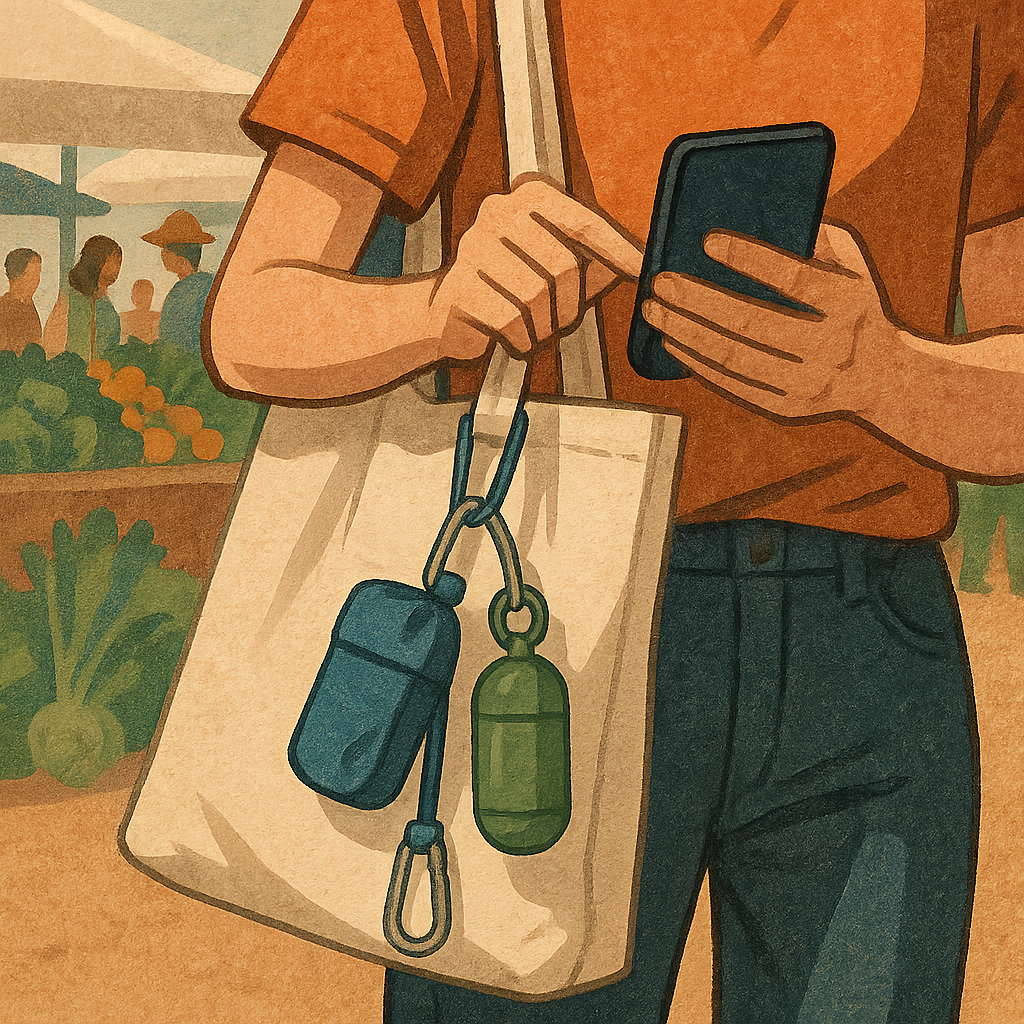
I started doing this by accident because I kept forgetting reusable bags and ended up staring at everyone else's. Not the outfits first, the bags. Regional style pops up fastest in places where people are dressed for errands, not for photos, and a Saturday market is basically a moving lookbook with produce. Here is the trick: I mentally inventory what is clipped to the tote straps. A single detail repeating across different ages and budgets is the early signal. In one city, it was the same wide, flat key lanyard on canvas totes. In another, it was tiny carabiners holding a dog-waste bag dispenser and a folded nylon shopping bag. That doesn't sound like fashion, but it predicts what starts showing up on belts, then on handbags, then on ready-to-wear.
What I write down (literally, in my Notes app) is a three-part combo: the tote material (stiff canvas vs. slouchy nylon), the strap length (hand-carry short vs. shoulder-drop), and the add-ons (carabiner, bandana knot, mini pouch, clip-on sunglasses case). If I see the same add-on on ten different people who clearly didn't coordinate, I assume it will spill into accessories next season. After that, I look down. Shoes at a market tell you what people will tolerate for two hours on uneven pavement. When I see the same shoe shape on someone carrying heavy groceries, I stop calling it a micro-moment and start calling it a purchase cue.
If you want to use this for your own closet, don't copy one person's whole look. Copy the tote logic. If your region is in a rainier cycle, you'll see nylon and rubber details win. Drier, you get raw canvas, braided straps, and more exposed hardware. The tote is the breadcrumb trail, and the market is where it shows up before your feed does.
Watch hems where the sidewalk fights back
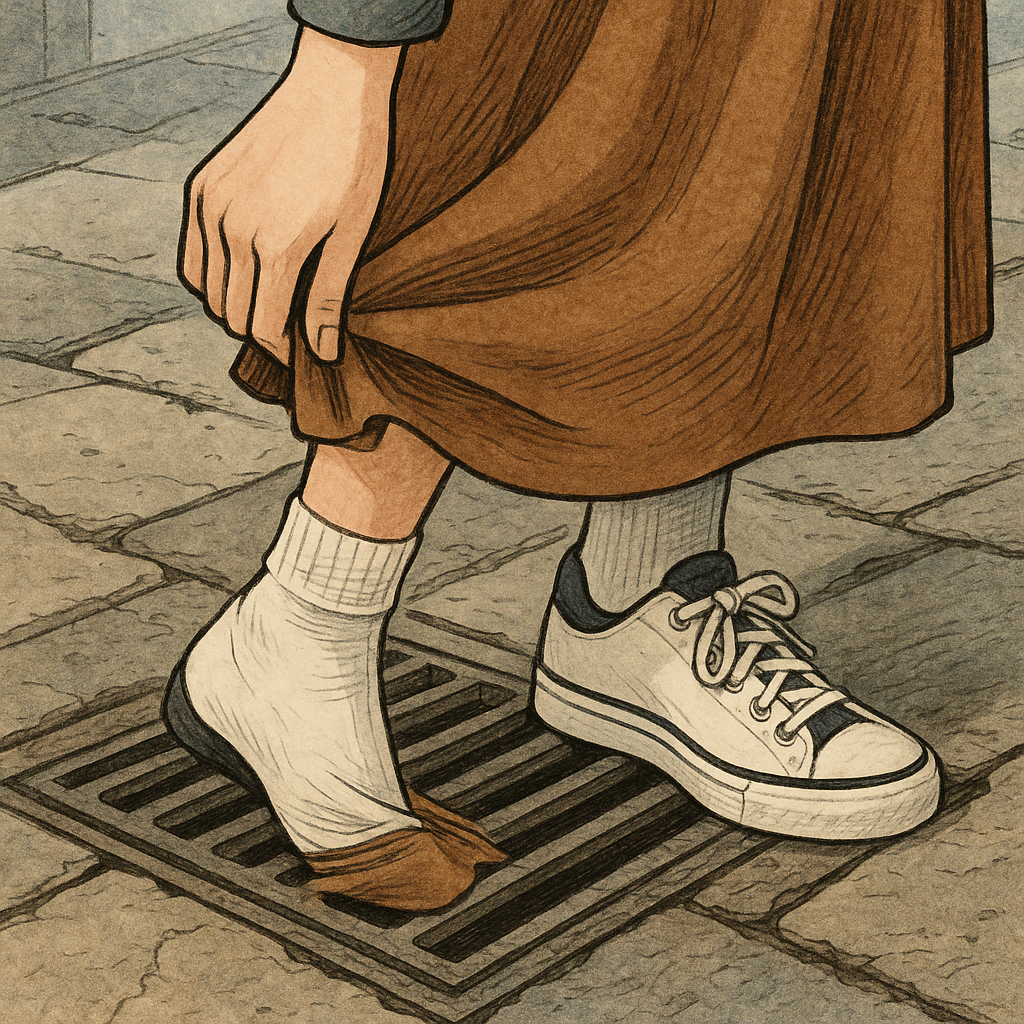
I pay attention to hems in exactly one kind of place: the blocks with bad pavement, bike-lane bumps, and those metal sidewalk grates that love to grab fabric. If a silhouette survives that without the wearer constantly tugging, it has legs. If it requires constant hand management, it might still trend, but it peaks fast because people get tired of babysitting their clothes.
Regional emergence shows up here because cities punish outfits differently. In older Northeast downtowns, you learn quickly what drags, snags, or gets soaked at crosswalk puddles. In warmer, flatter places, longer and looser pieces can flourish because the environment doesn't fight them as hard. When I travel, I do a five-minute scan outside transit stations and busy intersections, the spots where people are walking with purpose. I look for two things: (1) the hem solution, and (2) the shoe compromise.
Hem solutions are specific. You might see a sudden bloom of ankle-grazing wide pants that are clearly hemmed to a precise length, not just bought long. Or you might notice everyone doing the same tiny fold-and-tuck on a midi skirt so it clears the top of a sneaker. One of my favorite tells is when you see a consistent amount of sock showing. That means people have subconsciously standardized the break point between pant and shoe, and brands will chase that because it's easy to mass-produce.
Shoe compromise is the other half. When a region collectively accepts a certain chunkiness or a certain toe shape for commuting, the clothes adapt to frame that shoe. That is when you start seeing coats cut a little shorter, or pants a little wider, not because of runways but because the street demanded it. This is the kind of style alert I trust, because it comes from bodies moving through real infrastructure, not from a mirror selfie.
The coffee-line outerwear swap you can time
If you want a repeatable way to spot regional shifts before they harden into retail, steal five minutes in a coffee line during the first weird weather week of a season. Not the first cold day, the first run of mornings where you need a layer at 8 a.m. and you're carrying it by noon. That's when people reveal what they already own, what they will not wear anymore, and what kind of inconvenience they'll accept.
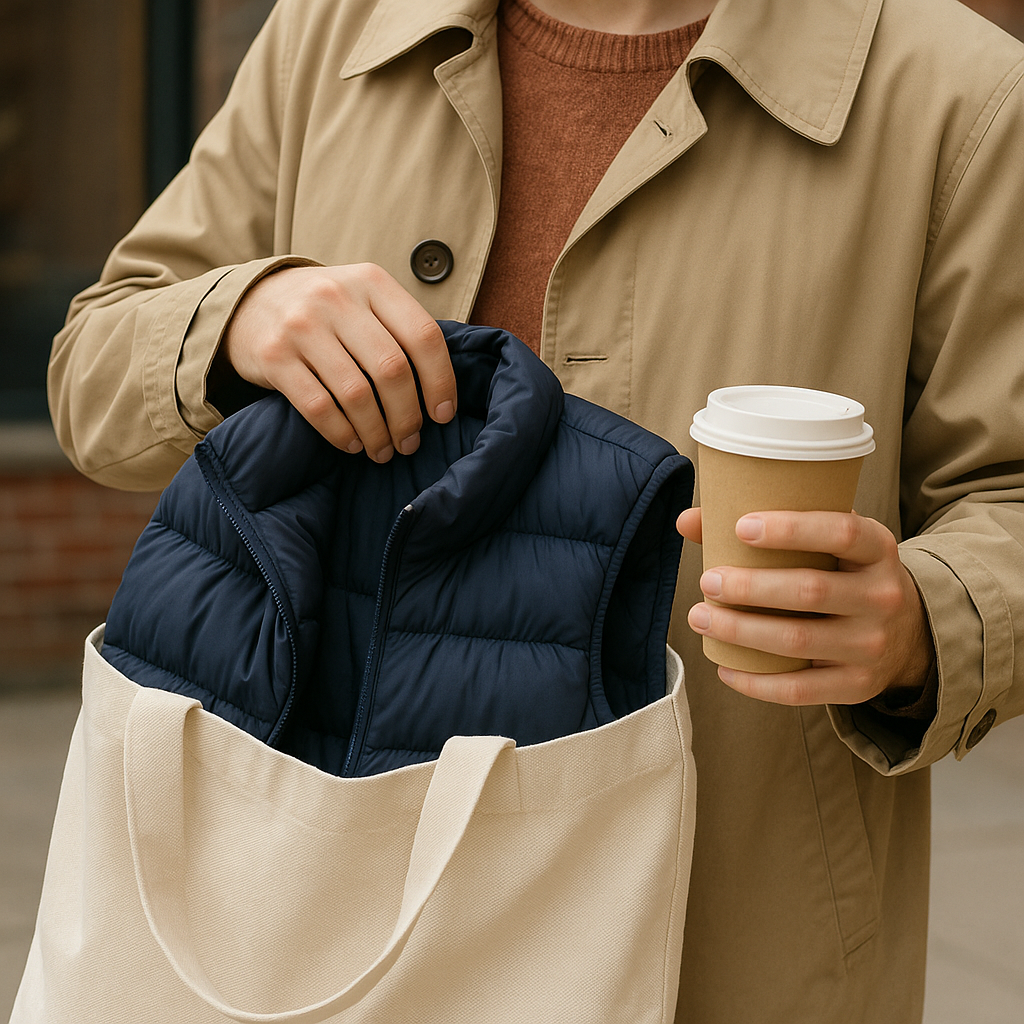
I look for the outerwear swap, meaning the item that replaces last year's default. In one place, you can watch puffer vests displace light jackets. In another, chore coats suddenly show up in different fabrics, not just canvas. The move happens in public because people are commuting, holding drinks, opening doors, and deciding in real time whether their sleeves are annoying. I don't need anyone to be stylish for this to work. I want them mildly irritated. That's the honest moment.
Here is how I log it like an editor without turning it into a science project. I count: out of 20 people, how many are in (a) something zipped, (b) something buttoned, (c) something open and draped. Then I note the collar situation. Collars are regional tells because they map to wind, humidity, and hair routines. A surge of stand collars and high necks usually means people are over the scarf, or the wind is making them regret open necklines. A surge of soft, floppy collars often means the opposite, people want airflow and ease.
Then I watch the carry behavior. Are they stuffing the layer into a tote? Looping it through a bag strap? Tying it at the waist? When a region settles on the same carry method, designers follow because it changes where pockets land, whether a coat needs a belt, and how bulky a fabric can be before it becomes uncarryable. The next time you see that detail pop up in new arrivals, you'll recognize it as a local solution that went mainstream.