
Three Fashion Week tells I watch every season: the seating chart shot, the exit-line footwear, and the sponsor tote swap.
Start with the seating chart photo, not the runway
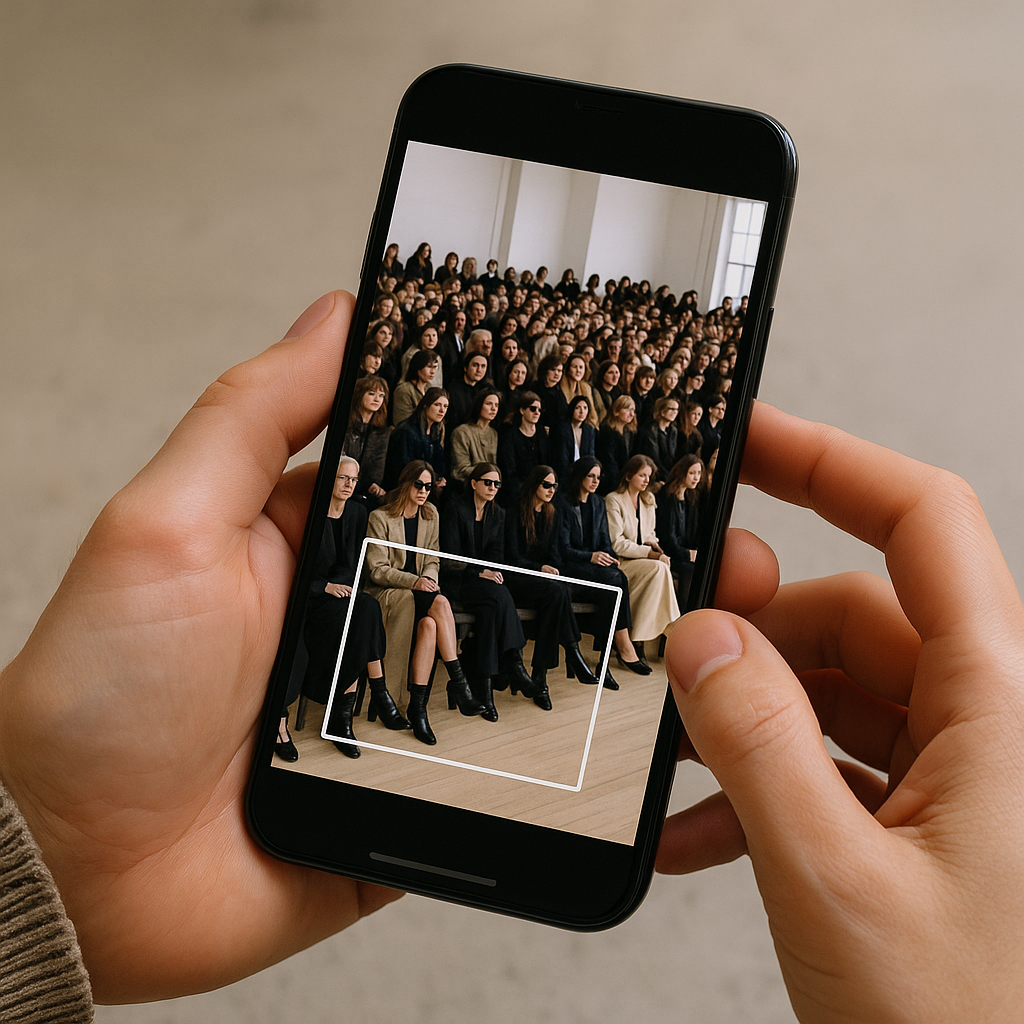
I learned this the boring way, by missing trends I was sure I’d seen coming. I’d watch runway close-ups, clock a bag shape, and then wonder why it never traveled. Now I start with the seating chart post and the wide room photo, the one every outlet runs because it lets them tag everyone. That’s the frame that tells you what people wore when they were dressing for other editors, buyers, and brand teams, not for your feed.
Here’s what I do with that photo. I zoom in on three zones: front row center, the two rows behind it, and the edge seats where assistants and stylists end up. The front row can be a costume. Two rows back is where you see the repeatable choices, because those people are still photographed but they need to be able to sprint between shows. And the edge seats are the canary. If a specific shoe keeps showing up there, it’s usually because it’s comfortable enough to survive the day and discreet enough to work with everything. Those are the pairs that end up in store windows six months later.
Then I make myself name the item precisely. Not “a boot”. Is it a square toe or a soft almond? Is the sole slim or lugged? Is the strap hardware shiny silver, brushed, or logoed? You can pull a lot from the details that brands can’t change quickly. When I see the same toe shape on five different people who clearly don’t share a stylist, I treat that as a stronger signal than any single runway look. It’s also where I spot when a microtrend is already getting tired. If the room photo has three variations of the same exaggerated shape, it means people are already chasing it, which usually lands you closer to peak than early.
One more tell: outerwear. If everyone is draping the same kind of coat over their shoulders in the room shot, it’s often because the silhouette underneath needs the same proportions (short jacket, long skirt, wide leg, whatever). You don’t have to copy the outfit. You just file the proportion away, and suddenly the next season of product drops makes sense before the ads tell you it does.
The exit line is a footwear survey you can hear
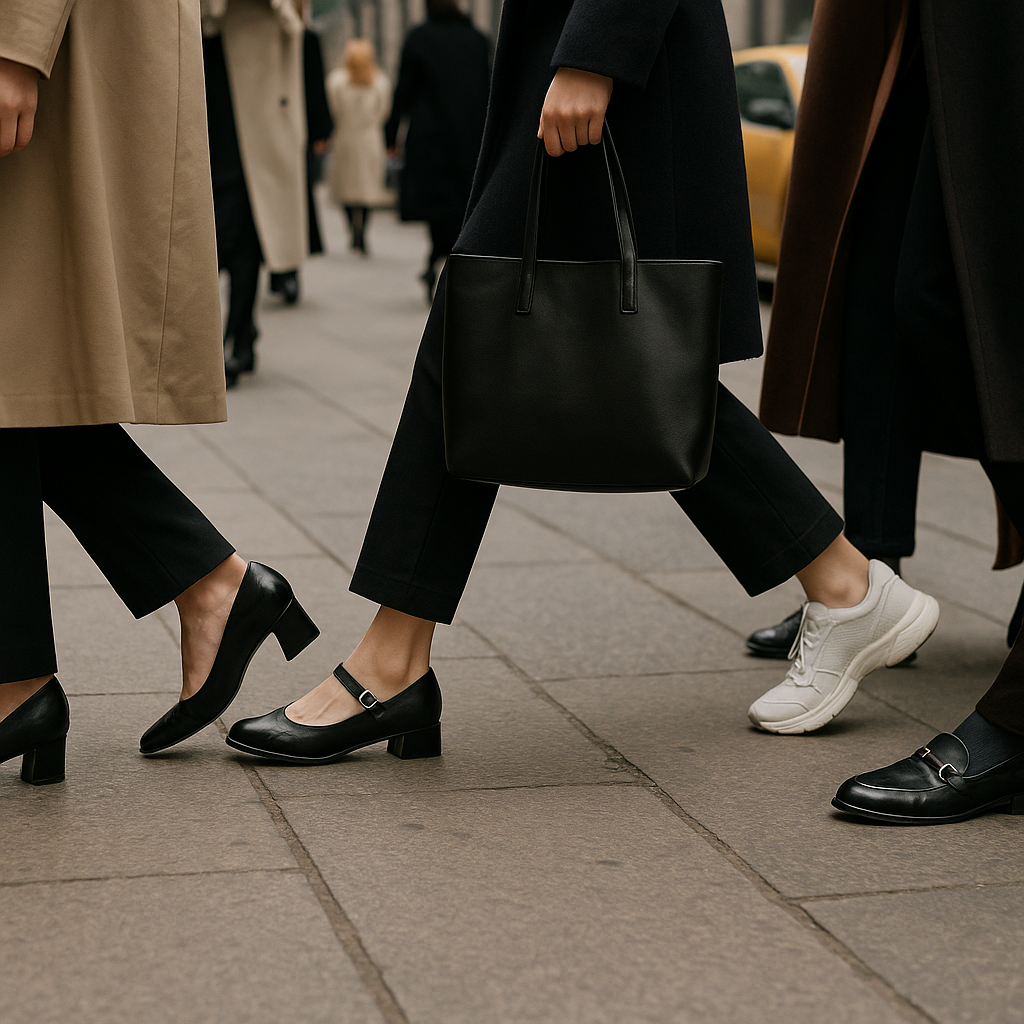
If you’ve never been outside a venue during Fashion Week, the biggest surprise isn’t the outfits. It’s the sound. You can literally hear what’s happening on feet: the slap of flimsy slides, the clack of hard soles, the quieter thud of a sneaker that’s built for pavement. When I’m trying to spot what’s about to get adopted beyond the show bubble, I don’t study the most viral street style image. I look for the boring sequence of exit shots where the same shoe shows up again and again in motion.
My method is embarrassingly simple: I search the day-by-day street style galleries (the ones with dozens of photos), then I scroll fast and stop only when I see ankles and toes, not faces. If a shoe is trending because it photographs well, it often looks good only in the hero shot. When it’s trending because people are choosing it repeatedly, you see it at bad angles, half blocked by a taxi, and it still reads.
Three pattern clues I watch for:
- Heel height creep: not a dramatic switch, just a lot of 1 to 2 inch heels replacing flats, or vice versa. That shift usually signals what retail will flood you with.
- One hardware story: the same buckle placement, the same toe cap, the same skinny strap arrangement across brands. If it’s appearing on different price points, it’s already in the pipeline.
- Socks in daylight: if people are pairing socks with loafers or Mary Janes in a way that looks lived-in, it means it’s past editor stun and into “I need my feet to survive” territory.
The hidden part is what isn’t there. Some seasons you expect a certain silhouette to dominate, and then the exit line tells you everyone quietly bailed. You’ll see a ton of long coats and dramatic proportions, but on feet it’s the same two practical shapes. That mismatch is a clue that the dramatic shoe is about to be marketed hard because it isn’t being chosen organically.
I also pay attention to what people are carrying in those shots, because it affects shoe choice. If the dominant bag is tiny and hands-free, heels come back. If everyone’s hauling a laptop tote between shows, the shoes get lower and the soles get thicker. It’s not romantic, but it predicts what will feel normal in six months way better than any single runway finale.
Sponsor totes and gifting suites reveal what brands are testing (and who takes it)
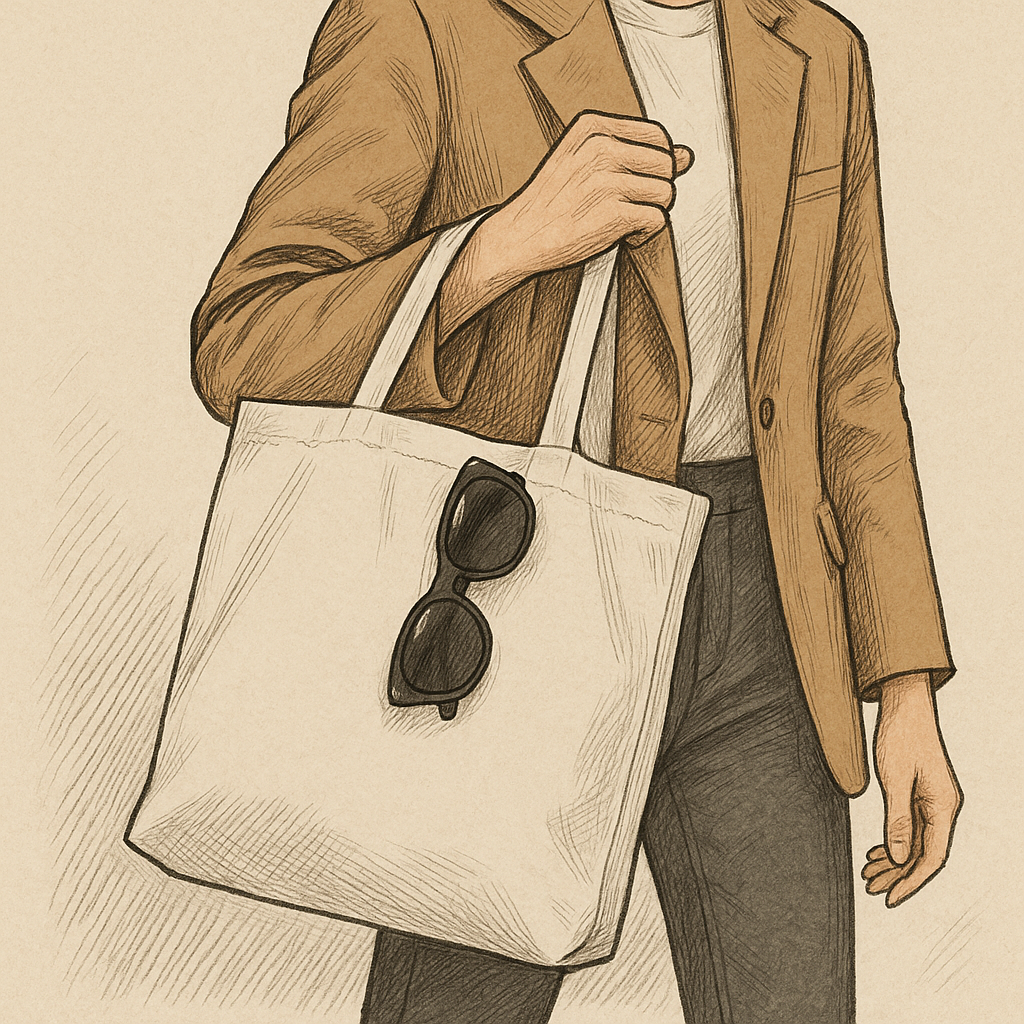
Fashion Week has a weird little economy that doesn’t show up on the runway: sponsor totes, gifting-suite product, and those branded essential that end up on every chair. People pretend they don’t care, and then you see the same item again three days later because it was handy and it worked with outfits. That’s the part I watch, because it tells you what brands are testing as an accessory story, and what attendees will adopt without being paid to post it.
The trick is to look for reuse, not the first appearance. On day one, everyone carries the free tote because it’s new and they’re moving quickly. By day three, the only reason that bag is still showing up is because it fits a laptop, doesn’t cut into your shoulder, and it looks acceptable in photos. That is a product brief in motion. Same with sunglasses. If a particular lens shape keeps reappearing in different cities’ street style (NYC to London to Milan), it’s usually because it packs well and it doesn’t fight makeup or hair.
When I’m scanning, I ask myself a few very practical questions:
- Does it solve a day problem? Big phone, portable charger, show invites, rain, cold venues. If yes, adoption is more likely to spread.
- Is it logo-forward or logo-light? Logo-light items tend to travel to regular closets faster because they don’t feel like walking advertising.
- Can it cross outfits? If it only works with one vibe, it stays a Fashion Week thing. If it works with tailoring and denim, it lands everywhere.
I got burned once by assuming a bag trend was coming back because I saw it in a dozen posts, then I realized the bag was literally on every seat. Different signal. Now I look for what people choose when they could choose anything: the second bag they switch into at lunch, the shoes they swap into after the last show, the jacket they keep tied around their waist even when the photos aren’t flattering. It’s unglamorous evidence, but it’s evidence.
If you’re using this at home, you don’t need insider access. You just need to treat the week like a field report. Save three types of photos: a seating chart room shot, a handful of exit-line feet, and one repeat ite you notice on day three. Put them side by side and you’ll see the pattern without anyone telling you what to think.