
Use airports, weather apps, and delivery lead times to tell a local uniform from a global wave before you buy in deep.
The airport layover test I trust more than my feed
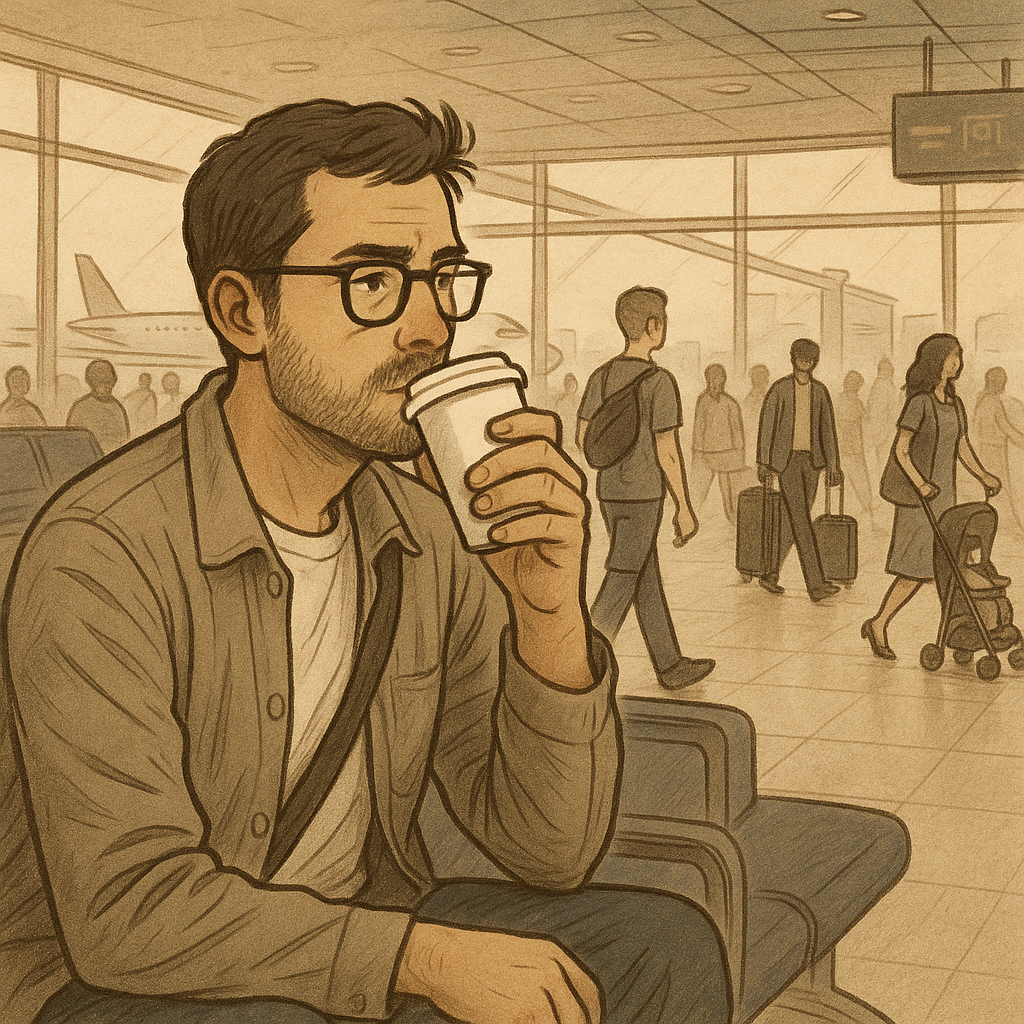
I started doing this by accident, stuck between gates with a lukewarm coffee and nothing to do but people-watch. Airports are one of the few places where you get a clean cross-section of regions in the same lighting, on the same day, with the same tired posture. If I think something is about to blow up, I look for it there, not on Instagram where the algorithm keeps showing me clones of my own taste.
Here is how I run it. I pick one piece or detail, just one, and I count: sling bags worn high across the chest, a specific sneaker profile (think Adidas Samba shape vs. a chunkier NB 550 vibe), a skirt length that keeps showing up, a particular shade that reads like it came from one Pantone chip. Then I force myself to notice who is wearing it and where they look like they are coming from. Are the people in it rolling suitcases with airline tags from three different cities, or does it cluster around one gate that is basically a shuttle to a single metro area?
What I learned fast: true global momentum shows up as multiple versions of the same idea. You will see it on a college kid in athletic shorts, on a consultant in a blazer, and on a mom juggling a stroller and a tote. When it is only regional, it is weirdly uniform. Same jacket, same jeans break, same color palette, like a team kit you did not know existed until you landed.
My rule is simple: if I only see the look in one cluster and it disappears the second I walk to a different terminal, I treat it like a local microclimate, not a big wave. That means I will borrow it lightly (one accessory, one color) instead of buying the hero piece that will feel dated the minute I travel somewhere else.
Weather maps explain more outfits than runway recaps
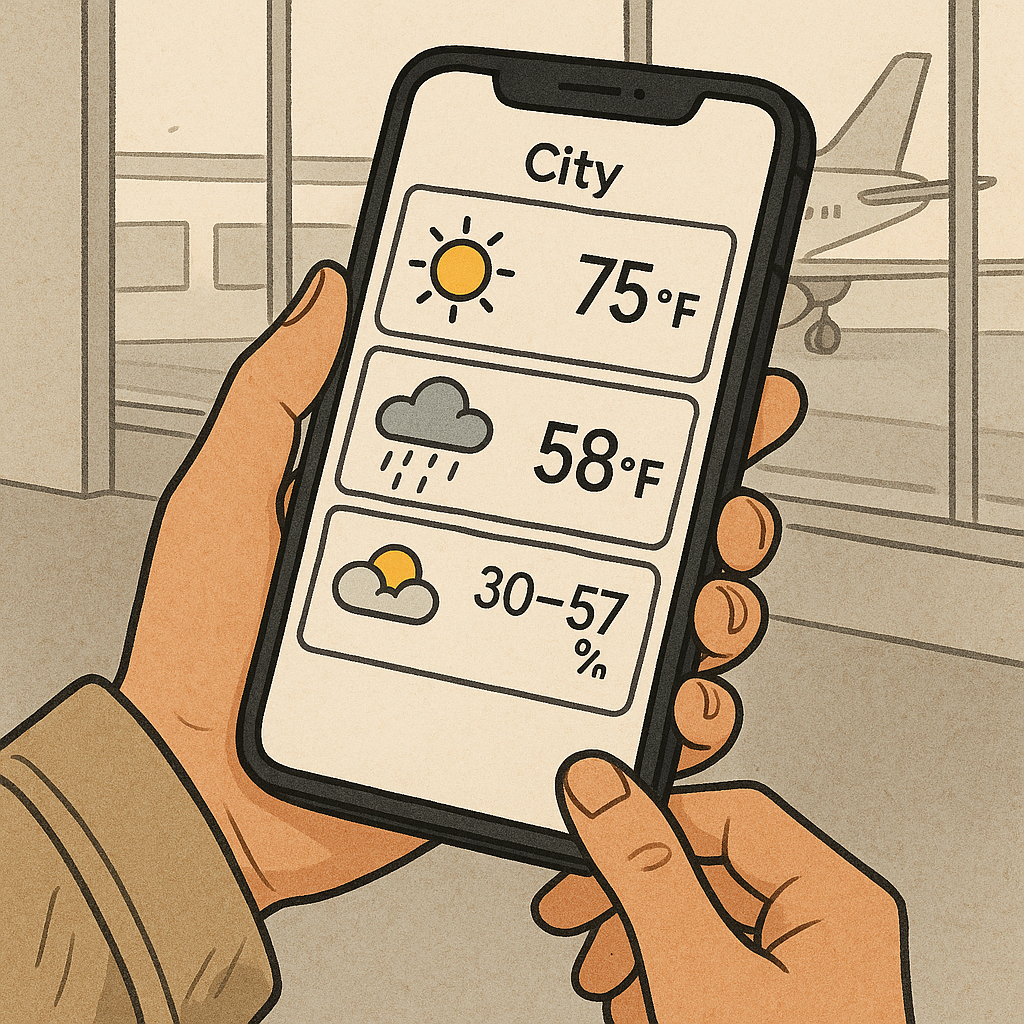
If you have ever visited a friend in a different region and felt instantly underdressed, you already know the secret: a lot of so-called trends are weather solutions that got aestheticized. I keep a weather app folder for this. It sounds nerdy, but it saves me from buying into a silhouette that only works in a very specific climate.
When I am trying to decide whether a look is going broad or staying local, I compare three places for the same week: my city, a coastal city with fog and wind, and an inland place with big day-night swings. Then I ask one question: does this outfit idea solve a problem in all three places, or only one? A heavy oversized leather jacket might be a vibe online, but it is also a very specific answer to a chilly evening plus a short walk between car and venue. Put that same jacket in a humid place and it turns into a prop you carry, not something you wear.
Here is a concrete example I use: footwear and hemlines. If I am seeing the return of a particular flat (ballets, slim retro trainers, loafers with thin soles), I look at rainy-day realities. Cities with frequent rain and rough sidewalks push people toward chunkier soles, darker colors, and shoes that can take a beating. If a shoe only shows up in dry regions, it might not be a national wave yet. It is a climate bubble.
Outerwear tells the same story. A long trench reads global when you see it paired with everything from hoodies to button-downs, and when the fabric shifts too: cotton poplin in mild places, coated fabric where it is wet, lighter techy versions in warmer cities. If the look only exists as one exact coat in one exact fabric, it is usually regional and the stores are stocking it because that region will buy it immediately.
I do not need a forecast to be perfect to use it. I just need it to remind me that bodies experience weather, not mood boards. If a piece only makes sense in one weather pattern, I shop it like a souvenir, not a prediction.
The shipping window trick: what arrives fast is often local

I do not trust selling out banners as trend proof anymore. Brands can throttle inventory, do small drops on purpose, or restock quietly the next week. What I do trust is the boring logistics layer underneath the hype: where items are sitting, how quickly they can get to you, and whether that speed changes when you change the shipping zip code.
When I am deciding if something is regional or going global, I test it like a shopper who has moved cities a few times. I pick one or two items that feel like a signal piece (a specific bag shape, a denim cut, a cardigan proportion) and I look at delivery estimates to a couple different zips. One near a big port city, one in the middle of the country, and one in a smaller market. If the item can get to one place in 1 to 2 days but takes a week to reach another, that usually means inventory is concentrated in certain distribution centers, which often tracks where the brand thinks demand will hit first.
Then I do the less glamorous part: I check if the item is in stock in multiple colors or just one. Regional heat often looks like this: one colorway is abundant (the one that matches that area’s palette), and the other colors are backordered. Global heat looks messier. Sizes disappear unevenly, and the weird colors go first in one region while the basics vanish elsewhere.
This is also where international brands tell on themselves. If a brand based in Europe has plenty of stock of a specific silhouette but the US delivery date is stretched, it can be a sign the look is already mature there but still early here. That is useful, because it lets you decide whether you are chasing the tail end or catching the start.
I am not pretending shipping estimates are a crystal ball. Weather, carrier delays, and warehouse hiccups happen. But when I see the same pattern across a few items and a few zips, it is one of the cleanest ways to separate “my city is into this” from “everyone is about to be into this,” without needing to refresh a feed all day.