
What’s the Story Behind These Once-in-a-Lifetime History Photos?
Thousands of years ago, long before anyone could point, click, and save a moment forever, daily life mostly vanished the second it happened. No snapshots of a funny face, no quick proof of a weird outfit, no casual record of the ordinary stuff that would be priceless now. Imagine the portraits, the street scenes, the little human moments we’d be obsessed with today if cameras had always existed. These days, we barely think about it because a camera lives in our pocket, ready 24/7.
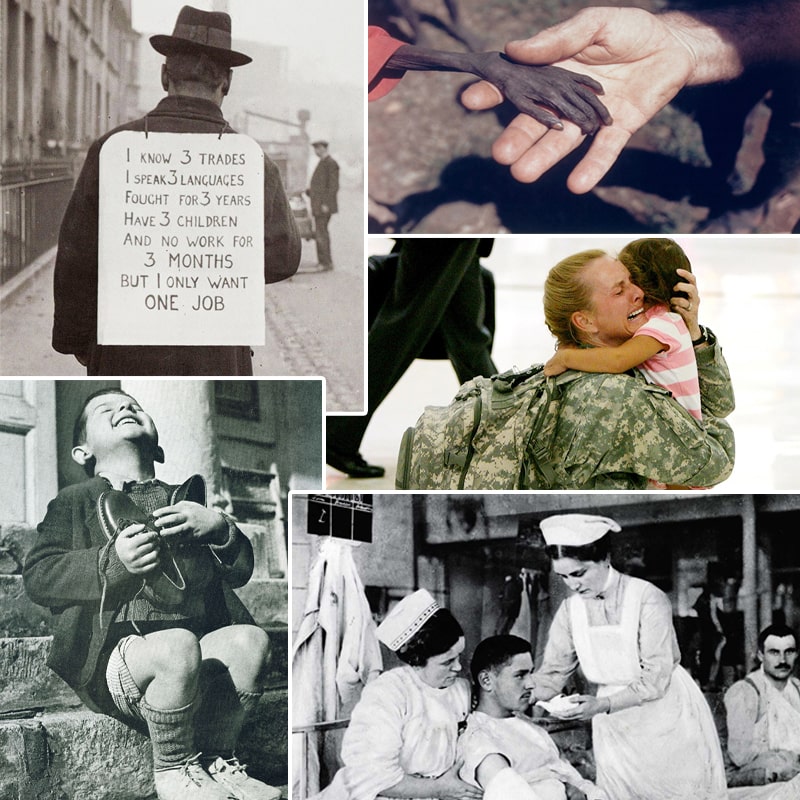
Still, we’ve got a stash of truly jaw-dropping images that do more than document big headlines. They freeze the unexpected, the oddly intimate, and the moments nobody planned to be historic. In the list ahead, you’ll see photos snapped at turning points, when the world was shifting in real time. Every image carries its own little universe: fear, hope, grit, relief, and sometimes pure disbelief. Take your time scrolling, each one is basically a time machine with a story attached.
The Four-Panel Victorian Photo That Caught a Couple Mid-Giggle
Victorian portraits usually have that stiff vibe, like smiling would get you fined. Then you find this treasure. In this photo, a couple can barely keep it together, feeling oddly modern. The first frame has a proper pose, but then cracks show, revealing two people trying to stay “respectable” for the camera. It captures real personality from an era seen as all corsets and stern faces.
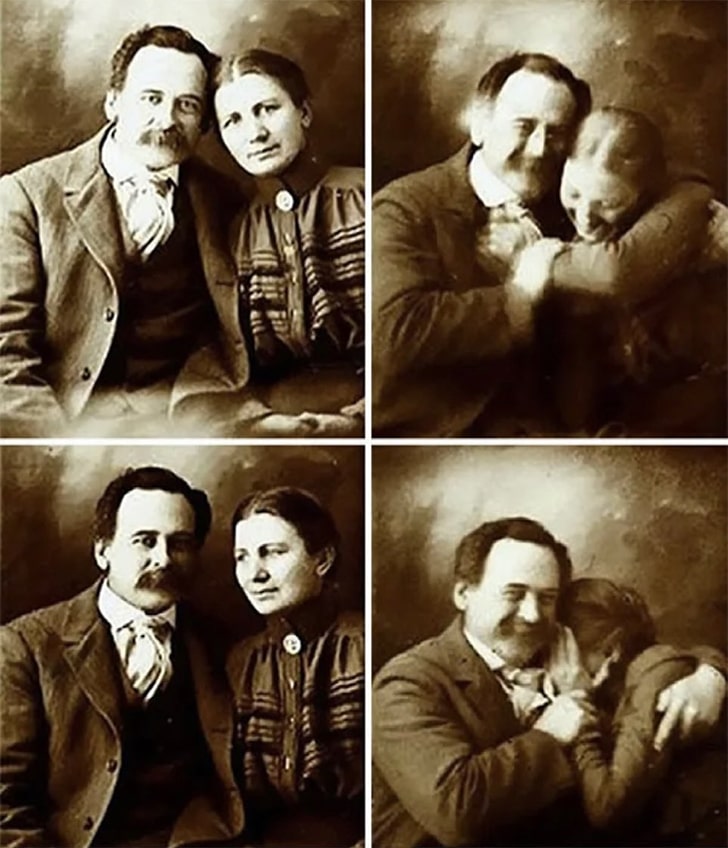
Photography was an event, not a quick snap. Long exposure times meant sitting like a statue while the camera worked. This is why old portraits look serious. Early cameras, like the daguerreotype from 1839, made photos rare and pricey, so people aimed for “dignified,” not “delighted.” This set feels like a Victorian blooper reel.
The Tiny Number Detail on These Auschwitz Tattoos That Stops You Cold
In this photo, three elderly men lift their arms to show the tattoos they carried from Auschwitz into old age. Walter and Werner were processed the same day, only ten numbers apart. Their ink reads A1828 and A1838, a striking coincidence until you recall how many lives passed through that place. The third man stands beside them, turning a simple snapshot into a poignant reunion of survivors.
Auschwitz-Birkenau, among the most notorious Nazi camps, operated from 1940 to 1945 as a machine of cruelty, with over 1.1 million murdered. This image, possibly captured at a Holocaust remembrance event, is where survivors gather not for nostalgia, but for bearing witness. They honor those who never made it out, reminding us these numbers were lives, not just digits.
The One Piece of Cloth That Sent Iranian Women Into the Streets
In 1979, Iran's streets filled with women protesting the enforced hijab law following the Iranian Revolution. Officials had imposed strict dress codes, including mandatory hair coverings, making a personal choice a legal requirement. Women protested, refusing to let their autonomy be rewritten overnight.
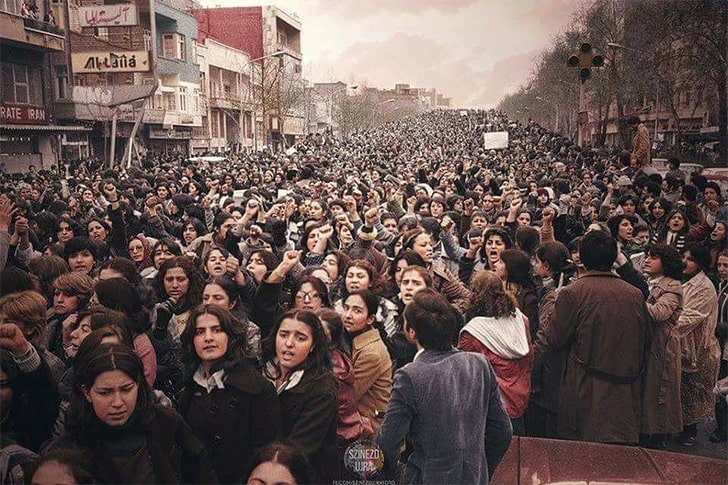
Backlash was swift, driven by anger, fear, and courage. Protests highlighted the intrusion of restrictions into daily life, asserting that rights wouldn't vanish quietly. This struggle continues as women in Iran persistently organize and protest for the freedom to make their own choices.
The Dinner Party Detail That Sparked David Bowie and Iman’s Love Story
Bowie, the shape-shifting music icon behind classics like “Space Oddity,” wasn’t exactly easy to surprise. Then he met Iman, the Somali supermodel with jaw-dropping presence. Their paths crossed at a dinner party in Los Angeles in 1990, a night that usually blurs into small talk. Not this one. For Bowie, it landed like a lightning bolt, instant and unmistakable.
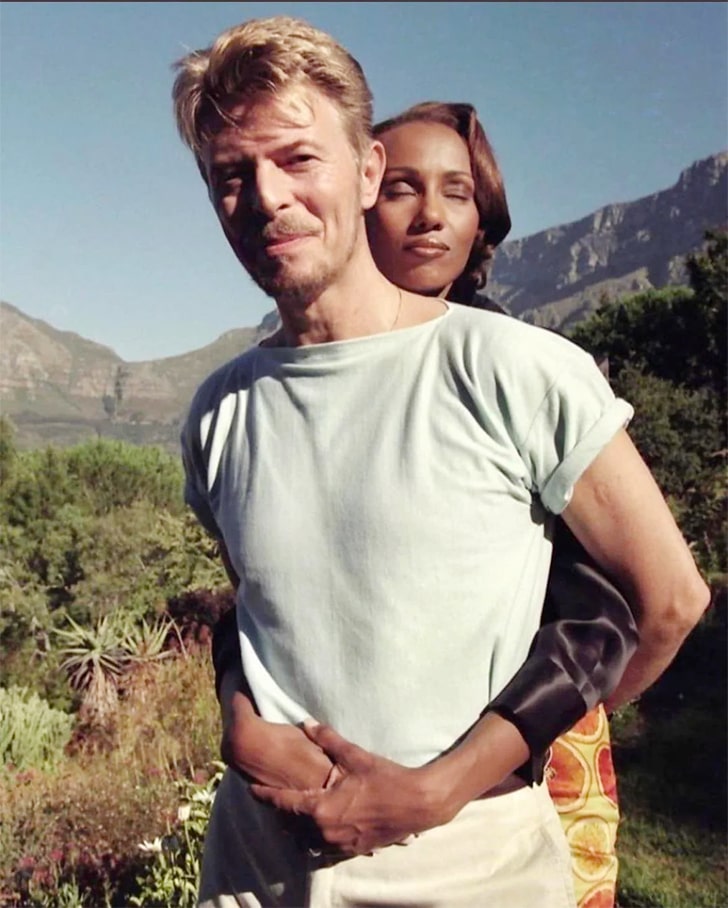
They started dating soon after, keeping it private for two years. This protected the relationship from noise, allowing them the luxury of intimacy. They made it official on April 24, 1992, with a private wedding in Switzerland, followed by a glamorous yet intimate party in Florence.
The Mountain of Paper Next to Margaret Hamilton, and Why It Changed the Moon Landing
Say hello to Hamilton, the software engineer who helped NASA pull off the Apollo missions, one painstaking page at a time. In that famous 1969 photo, she stands next to a sky-high stack of code, printed out and piled up like a paper skyscraper. It looks almost like a joke until you realize it's the real deal, the kind of work that had to be right because there were no do-overs in space. That tower is a snapshot of what “mission critical” looked like before laptops and cloud backups.

No, it's not a movie prop or a cute photo-op. Those pages represent the backbone of the software that made the moon landing possible. Hamilton ran the effort at MIT’s Instrumentation Laboratory, where her team built the onboard flight software for Apollo 11. That code had to juggle priorities, handle surprises, and keep the guidance computer focused when things got noisy. Thanks to that work, Armstrong and Aldrin had the systems they needed to take those first steps on the lunar surface.
The One Trophy That Turned Sophia Loren Into a Legend
In cinema’s glitziest era, Loren didn’t just show up, she owned the room. She burst onto the scene with that classic Italian star power, equal parts beauty, wit, and real acting chops. Audiences fell hard because she had the rare combo: a magnetic look, sure, but also a presence that made you forget you were watching a “movie star” and just believe the character. In a time packed with icons, she still managed to feel singular, like the screen was built for her.
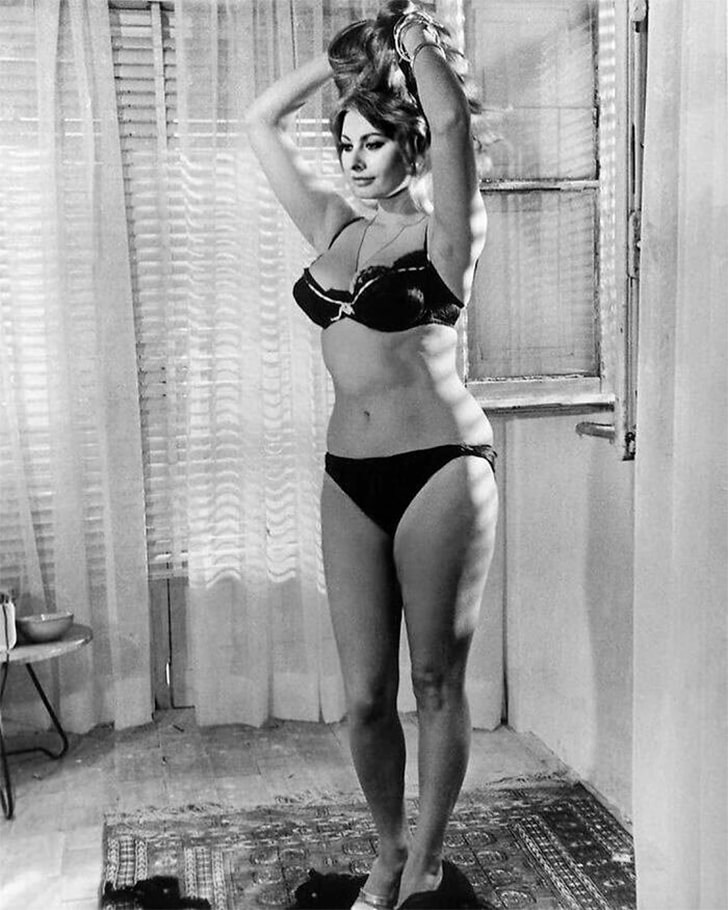
The actor's biggest history-making moment came with Two Women (1960), when she took home the Academy Award for Best Actress. It made her the first to win an Oscar for a foreign-language role, smashing Hollywood’s old rulebook. Add in a second Oscar and five Golden Globes, and her career never needed hype to feel huge. The American Film Institute placed her among the 25 most important female movie stars ever.
The Arrest Photo That Explains Bernie Sanders
Here’s Sanders looking very un-senator-like while being arrested at a peaceful protest in Birmingham. The snapshot is from the 1960s and captures him putting his body on the line against racial inequality, not just talking about it. It was part of a demonstration led by Dr. Martin Luther King Jr. It instantly tells you what someone cares about, long before they get a title or a microphone.
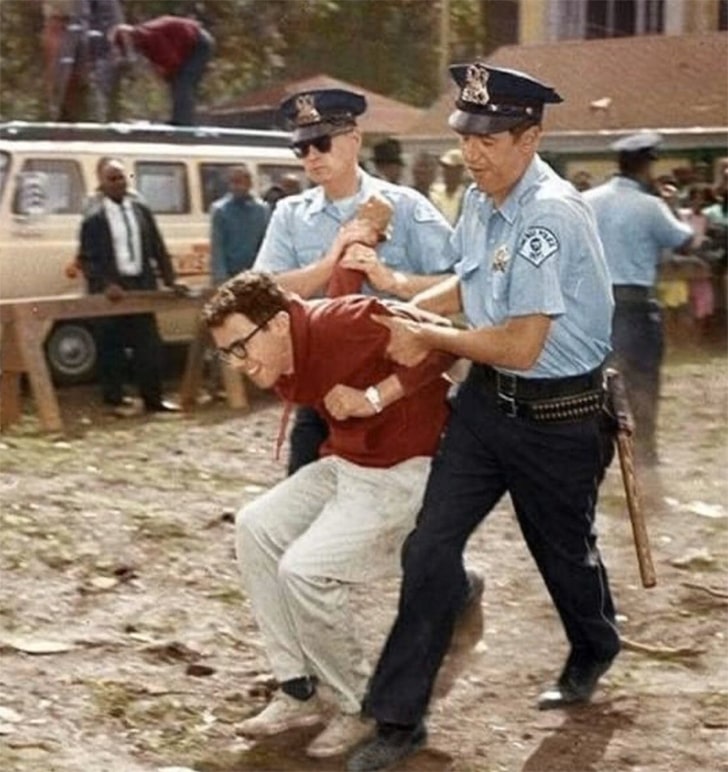
Jump ahead decades, and the same protester ends up in Congress. He served 16 years in the House before becoming Vermont’s U.S. Senator in 2007. His brand centers on big, progressive ideas like Medicare for All, tuition-free college, and a $15 minimum wage. Love him or roll your eyes, the agenda has remained consistent, and that old arrest photo helps explain why.
The Sign in This Old Photo Says Everything
There’s something quietly electric about this image from the book A Photographic History of Men In Love, 1850s-1950s. It captures a moment when love like this usually stayed offstage, hidden from prying eyes and harsh laws. Two men pose close together, holding a hand-lettered sign: “Not Married But Willing to Be.” It’s funny, bold, and oddly sweet, like they’re sharing a truth they couldn’t say aloud. For a split second, the “forbidden” feels completely ordinary.
That openness carried real risk. Gay relationships could lead to severe consequences, like fines, jail, and public shaming that might cost you your job, home, or family. The joke about marriage resonates differently when you consider its impossibility then. Nationwide marriage equality arrived in the U.S. in June 2015 when Obergefell v. Hodges made it legal. Before that, bans and restrictions prevailed.
The One Thing on His Jacket the Kid Just Had to Touch
Punk style gets a bad rap, but this photo shows tough looks can have a soft heart. A punk, in full gear, drops to one knee to meet a little boy at eye level. The kid is captivated, reaching out with fearless curiosity. And the punk? Totally patient, letting him explore the spikes on his leather jacket like it's the most normal thing in the world.
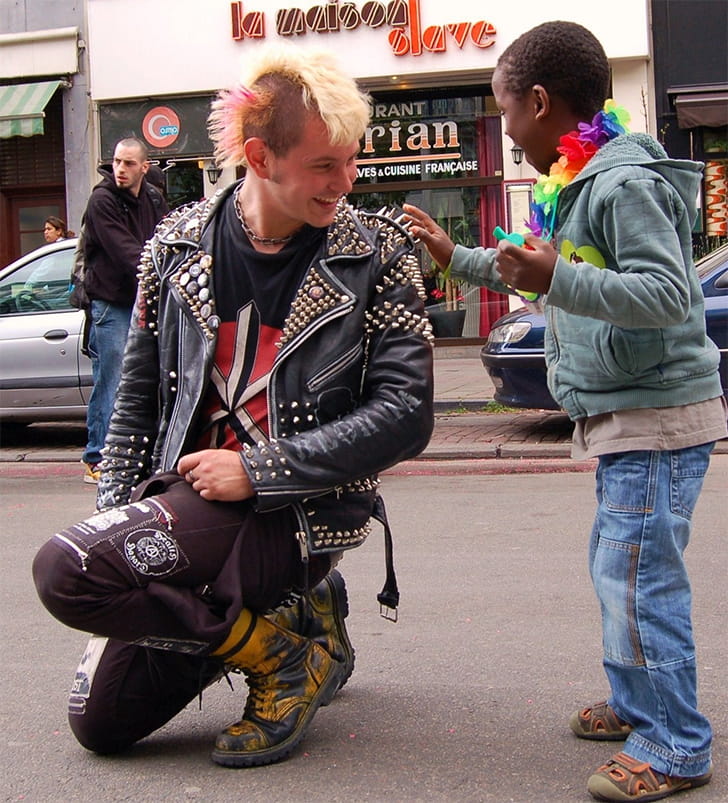
Snapped at Pride, the scene challenges judgments made when only seeing an outfit. Pride, celebrated every June, is about love and making space for all. Punk, born in the 1970s, was about rebellion and individuality. Combine these, and this interaction makes sense. A kid sees something interesting, an adult makes space, and it feels like acceptance.
The One Tiny Laundromat Moment That Sparked Dolly Parton and Carl Dean’s Forever
This throwback snap captures Dolly with Carl, one of Nashville's sweetest “how did this even happen?” love stories. She's the larger-than-life country icon behind “Jolene” and “9 to 5,” all sparkle and wit. He's the quiet, charming guy uninterested in fame. Together, they build a relationship that feels both unlikely and perfect, proving timing is everything.
They met outside a Nashville laundromat in 1964, an unglamorous but oddly romantic meet-cute. Carl was instantly taken, and soon they were dating. Their story is rare; he stayed out of the spotlight while Dolly shone on stage. No red carpet, no constant headlines, just a steady partnership. They made it official with a simple wedding on May 30, 1966, keeping it low-key on purpose.
The 60 Shoes on Budapest’s Danube, and the Story They Refuse to Let You Forget
At first glance, the line of shoes along the Danube in Budapest looks almost surreal, like someone left a lost-and-found on the riverbank. These cast-iron pairs are a memorial to Jews murdered during World War II by the Arrow Cross militia. The shoes sit quietly at the water’s edge, but the message is loud: this is what hatred looks like when given power, and what remembrance looks like when a city refuses to look away.
Victims were forced to take off their shoes before being shot, bodies dropping into the river. That detail makes the memorial gutting, turning a simple object into proof. Installed in 2005, it was created by sculptor Gyula Pauer and director Can Togay. It's more than a monument; it’s a blunt lesson about prejudice, cruelty, and why history must be remembered, even when it’s hard to stand there and look.
Why This 1962 Photo of a Chaplain and a Wounded Soldier Still Stops You Cold
There’s something about this 1962 snapshot that grabs you by the throat. It shows Chaplain Luis María Padilla offering comfort to a wounded soldier amid Venezuela’s uprising against President Betancourt. Known as “Aid from the Father,” the photo was taken during the Carupanazo revolt in Carúpano. The image captures both the chaos of conflict and the instinct to care for someone amid turmoil.
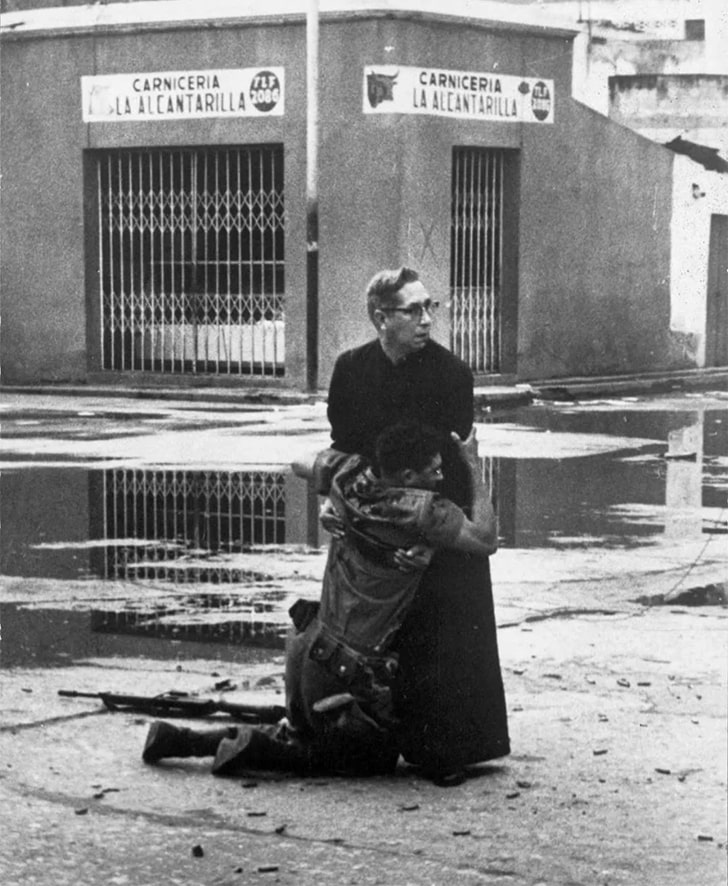
The revolt left about 700 injured and 400 killed as government troops clashed with rebels. Photographer Héctor Rondón Lovera captured this moment of compassion in the eye of the storm, and it earned him the Pulitzer Prize in 1963. The image stands out not for glamorizing battle but for confronting the human cost, making the emotion feel immediate.
What This 1915 Photo Reveals About WWI’s Quiet Lifesavers
In the thick of World War I, German Red Cross nurses like those in this 1915 photo were where it hurt most—close to the front and to the human cost. While bullets grabbed headlines, these caregivers handled aftermaths, working long 14 to 16-hour shifts. They cleaned wounds, calmed terrified patients, and did whatever it took to keep soldiers alive. It was exhausting and relentless work, yet they persisted.
WWI pushed medicine into the modern age, and nurses were crucial in applying these advances to real people. With millions wounded, they turned chaos into care, managing infections and using new techniques. They remained steady in overcrowded wards and makeshift stations, offering practical treatment and hope when all looked bleak.
The Beach Photo That Hides a Heartbreaking Twist
In this snapshot, sisters Anne and Margot appear like any two kids enjoying a sunny beach day, totally in the moment. By 1942, life seemed stable in Holland, but Nazi persecution tore it away overnight. What seems like a holiday memory now reflects the calm before chaos.
As danger loomed, the family hid in a secret annex behind their father’s office. For two years, silence was essential, as discovery meant peril. Eventually, they were found and sent to Auschwitz. Anne's diary, The Diary of a Young Girl, remains a testament to their courage and humanity.
The One Photo That Explains Smallpox in Seconds
This image shows two childhood realities side by side. Both kids were exposed to smallpox, a virus that plagued humanity for centuries. The left child had no vaccine, with skin covered in blistering pox. The right child was vaccinated, with clear skin. It's a stark contrast that highlights why smallpox inspired fear. The disease spread easily, hit fast, and killed millions across generations.
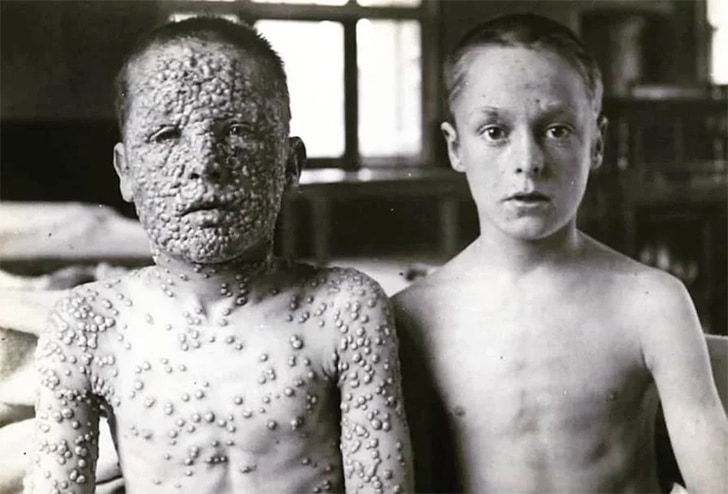
The breakthrough came in 1796 when Jenner created the first successful vaccine using cowpox to train the immune system. This bold idea changed medicine. Vaccination campaigns scaled up globally, and smallpox lost its grip. In 1980, the World Health Organization declared it eradicated, marking a monumental public health achievement.
The One Ship That Somehow Fit 15,000 Soldiers
Picture this: the Queen Elizabeth pulling off a jaw-dropping feat at World War II's end, ferrying an enormous wave of American troops from Scotland to New York. This was a floating city, stretching over 1,000 feet from bow to stern. On a single crossing, it carried up to 15,000 service members at once. Such numbers sound unbelievable until remembering the urgent need to end the war and bring troops home safely.
The Atlantic run lasted about five days, feeling endless for those counting hours to reach home. The onboard mood mixed impatience, relief, and the excitement felt when the finish line is near. Even wilder, this ship began in 1936 as a glamorous luxury liner, built for comfort and style. During the war, it was quickly refitted as a serious, no-nonsense transport supporting the Allied effort.
The One Scalpel That Saved Him in Antarctica
When you think of legendary DIY, you probably imagine shelves or fixing a leaky faucet, not self-surgery. But that's exactly what Soviet surgeon Rogozov did. In 1961, he was stranded at a remote Antarctic station when symptoms of appendicitis struck hard. No flights out, no backup doctor, no quick fix. He faced two options: operate or risk a worsening condition. In Earth's coldest corner, the only way out was through.
With no real alternatives, he set up a makeshift operating area and treated himself like his own patient. Tools got sterilized, a plan was mapped out, and he carefully operated on his abdomen. He also coached teammates on what to do if he passed out during the procedure, making for an intense team-building moment. Against all odds, it worked. The appendix was removed, the infection threat eased, and he recovered enough to share the tale later.
The Photo of Schoolyard Friends That Hides a Brutal Twist
Dorothea Lange snapped a sweet, ordinary moment at a San Francisco school, kids clustered together like any other day, all easy smiles and uncomplicated friendship. It looks like pure innocence until you remember the national climate. After Japan’s attack on Pearl Harbor in 1941, fear and suspicion spread fast. President Roosevelt signed Executive Order 9066, enabling mass removals. So this school scene isn’t just charming—it’s a quiet snapshot right before everything changed.
Soon after the shutter clicked, many of these children were uprooted and sent to internment camps. From 1942 to 1945, over 120,000 Japanese Americans were confined, including thousands of innocent kids. Families lost homes, jobs, and the stability that makes childhood safe. Life in the camps was rough, with harsh conditions and constant uncertainty. That’s what makes the photo hit harder—it captures normal life right before it was taken away.
The Photo That Made a Utility Pole Look Like a Lifeline
Known as the “Kiss of Life,” this unforgettable shot captures when a routine workday turns into an emergency. Utility worker J.D. Thompson is seen rescuing his coworker, Randall Champion, after a 4,000-volt shock renders him unconscious. With no time to descend or call for help, Thompson performs mouth-to-mouth right there on the pole, while Champion hangs limp in his safety harness. It's terrifying, heroic, and strangely intimate, all in one frame.
Photographer Rocco Morabito captured the rescue in 1967, and the image struck like lightning. It wasn’t staged or polished; it was pure instinct and courage, documented at the perfect moment. The photo earned Morabito the Pulitzer Prize for Spot News Photography, turning a split-second decision into history. Remarkably, Champion didn’t just survive; he lived another 35 years, all because a coworker acted fast and refused to let go.
The One Detail in This Photo That Says Everything About Strength
There’s a quiet power in this image, a Navajo mother holding her kids close, like she’s building a shelter out of sheer will. It’s tender but also tough as nails, showcasing everyday bravery that rarely gets spotlighted. The Navajo, like many Native nations, stem from ancient cultures. Their communities are rooted in family ties, oral traditions, and a deep connection with the land. That history isn’t abstract; it’s lived, and you can feel it in a moment like this.
By the 1900s, life for Native Americans had been brutally hard due to federal policies pushing relocation, banning cultural practices, and economic challenges. The Dawes Act of 1887 aimed to force assimilation by dividing communal lands into individual allotments under the guise of “ownership.” In reality, it led to massive land loss, leaving many families with fewer resources and less control over their futures.
The 1945 Photo That Captures Relief in One Impossible Smile
This unforgettable snapshot freezes a rare burst of happiness as Jewish prisoners were finally freed from Nazi extermination camps. Taken in 1945, it captures liberation as a sudden breath after years of terror. Joy mingles with exhaustion, disbelief, and grief, reminding us that even in the darkest places, people clung to life. When rescue arrived, it landed like sunlight.
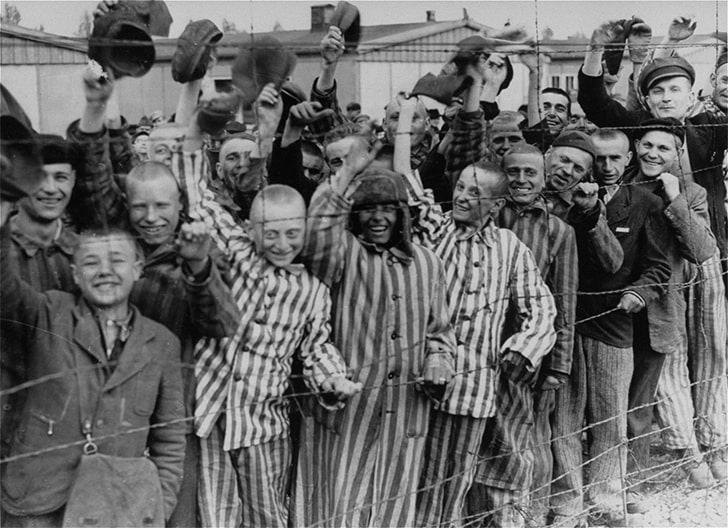
From 1941 to 1945, roughly six million Jews were murdered in the Holocaust. Freedom did not instantly fix the damage. Survivors were often skeletal and sick, requiring weeks or months to recover. Food had to be reintroduced carefully, and minds had to process the unfathomable. For many, “normal” was something to rebuild, step by fragile step.
The Bib Number That Changed Boston Forever
In 1967, Katherine Switzer made history as the first woman to officially run the Boston Marathon, a race considered a men-only event. Using the name “K.V. Switzer” allowed her to register, breaking barriers with bib 261. Her participation was a defiant stance against the norms.
During the marathon, official Jock Semple aggressively tried to remove her, but support from her boyfriend and fellow runners let her continue. She finished the race, a watershed moment that highlighted gender inequality in sports. Finally, in 1972, the marathon opened to women.
The One Photo That Says Everything About Pandemic Resilience
Here’s a bright spot from a rough chapter: an elderly Italian woman who beat COVID-19, the virus that upended life globally. First spotted in December 2019 in Wuhan, China, it quickly became a global pandemic. Countries responded with lockdowns, distancing rules, and vaccination drives to protect the vulnerable. Amid fear and uncertainty, recovery stories reminded everyone that survival was possible.
Italy recorded thousands of recoveries, including a 104-year-old woman, Ada Zanusso, who pulled through. Her story is a reminder of grit at any age. The photo, filled with thumbs-up gestures and masked smiles, feels like a small victory banner. It salutes the nurses, doctors, and staff who showed up daily when the world seemed to hold its breath.
Why Are Two Cats Drinking Straight From a Cow Mid-Milking?
In this laugh-out-loud moment, a farmer is hand-milking a cow while two determined cats crowd in for the freshest possible sample, lapping up the stray spray. It’s a perfect time capsule from when milking required patience and routine. Farmers often milked twice daily to keep nearby families stocked with fresh dairy.
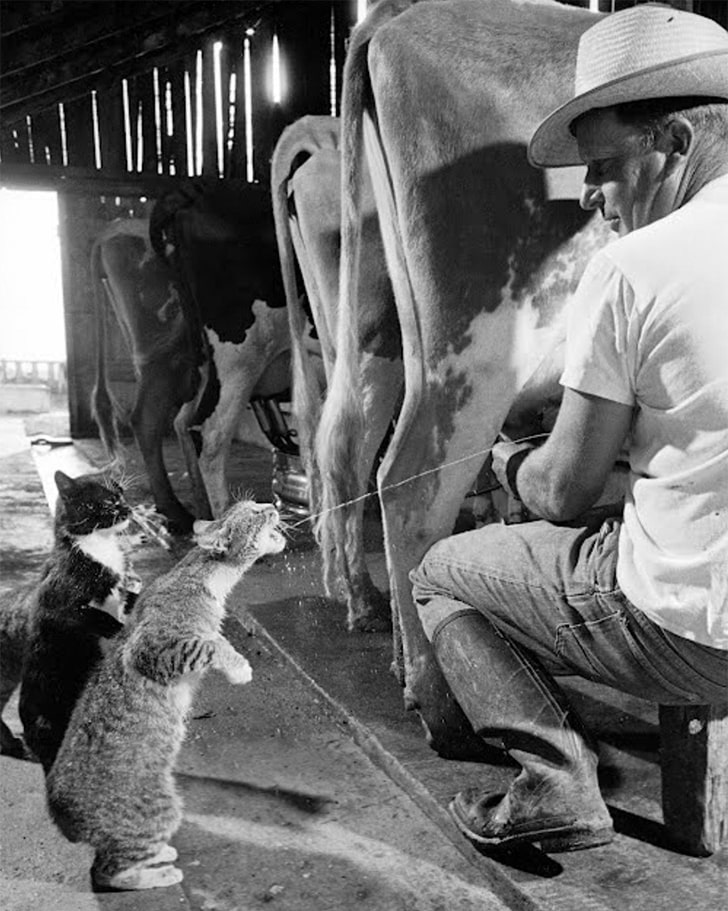 Jump to the present and everything looks different. Modern machines handle milking three to six times a day, boosting speed and output. Efficiency rules now, with tech doing the heavy lifting. Still, this photo resonates as a reminder of a slower, simpler rhythm, when the “support staff” might just be a couple of furry freeloaders.
The One-Piece Swimsuit That Got Her Arrested
Meet Annette, an Australian swimmer and actress ahead of her time, not just in the water. In 1907, she appeared at Revere Beach, Massachusetts, sporting a bold one-piece and was arrested for it. Women were then expected to swim in heavy, modest outfits covering nearly everything, making swimming a workout before even hitting the waves. Annette’s choice looked simple now but rebellious then.
The sleek suit was labeled “indecent” by many, causing a split reaction. Some clutched their pearls, while others quietly cheered, as it made sense. Her point was clear: if you’re going to swim, wear something that lets you move. A practical outfit wasn’t a moral crisis but basic sportswear. The episode made her a headline and helped push swim fashion toward functionality over fussiness. Progress sometimes appears as a scandal.
The WWII Aircrew That Terrified Nazis With a Simple Po-2 Biplane
In World War II, a group of young Soviet women defied expectations by piloting planes at night. Nicknamed the “Night Witches” by the Germans, the 588th Night Bomber Regiment was composed of female aviators. Operating since 1942, they conducted bombing runs over enemy lines, proving that courage transcends tradition.
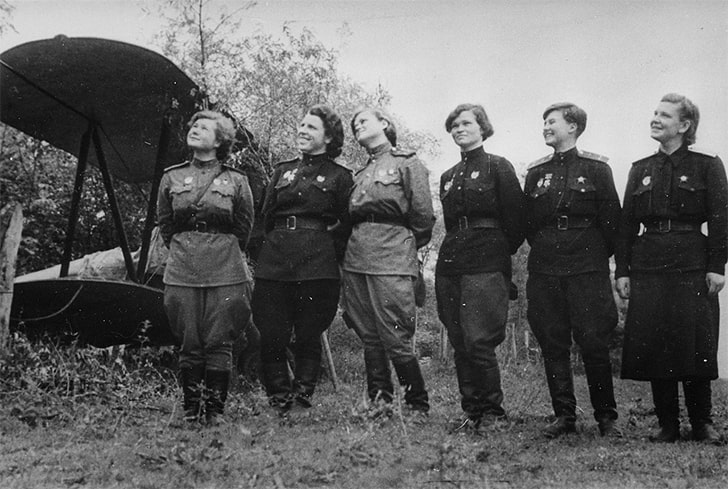
Flying the Polikarpov Po-2 biplanes—old and exposed—the courageous crews completed 23,000 sorties and dropped over 3,000 tons of bombs in low-altitude night attacks. Their persistent raids undermined German positions and kept enemy troops on edge, showcasing how skill and nerve can rival advanced technology.
The One Cup of Tea That Told a Whole War Story
This striking 1945 photo captures five Australian prisoners of war, finally free after surviving Japanese labor camps during World War II. Instead of posing like heroes, they engage in a simple act: sharing a cup of tea. This small ritual reads like a quiet victory, filled with the relief of realizing they have survived and can embrace their humanity again.
In captivity, their lives were stripped down. These soldiers faced punishing labor with minimal rest and dignity. Food was scarce, medical care was often nonexistent, and illness spread quickly. Malaria and dysentery posed constant threats, claiming many lives. This tea break is not just a drink; it signifies enduring the worst and finding a way back to normalcy.
The One Dress Detail That Made Vikki Dougan a 1950s Legend
Vikki never needed a big speech to grab attention, she just turned around. In the 1950s, when most style leaned buttoned-up and careful, she showed up in fearless backless gowns that felt downright rebellious. Ralph Crane captured her in this now-famous photo, and you can practically hear the room go quiet as she walks by, cool as ever. It is not just a dress, it is a statement, and she wears it like she invented confidence. Fashion rules were there, and she treated them like suggestions.
Today, backless looks are basically a red-carpet default in the U.S., but back then it was a shock. The actor pushed that silhouette into the spotlight during an era preferring hemlines, gloves, and polite restraint. Her career hit its high point in the late 1950s, and she built a reputation on daring wardrobe choices. Hollywood even nicknamed her “The Back,” which tells you everything about the impact. That mix of nerve, charm, and showmanship made her stand out in a crowded scene.
The Photo of Two Hands That Stopped People Cold
In 1980, Uganda’s Karamoja region faced a brutal famine, one of the deadliest ever. Thousands perished, with children suffering most. From this disaster emerged an unforgettable image by photojournalist Wells: a child’s tiny hand beside a larger aid worker's hand. The stark contrast speaks volumes without a caption. It's simple, heartbreaking, and demands attention, making you feel what a headline can't convey.
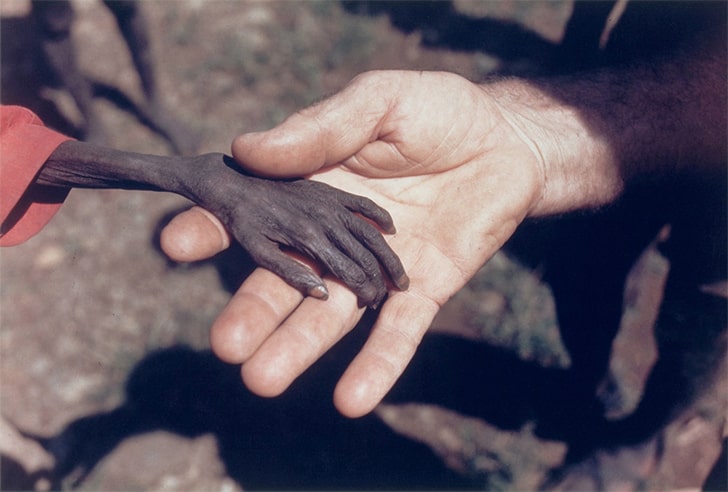
Shot in April 1980, the image won World Press Photo of the Year in 1981, drawing international focus to a largely unnoticed crisis. While the award brought prestige, Wells felt conflicted about the praise for capturing pain. The recognition amplified the story, but the moment was sheer suffering. This tension between impact and discomfort makes the photo unforgettable.
The Old Photograph That Quietly Says Everything
This sweet snapshot captures an intimate moment between two women. For the early 1900s, showing such closeness on camera was bold. During that era, love like this faced harsh judgment and consequences, pressuring many to blend in. So, an image like this feels like a small rebellion, a private truth that emerged into light, even if briefly.
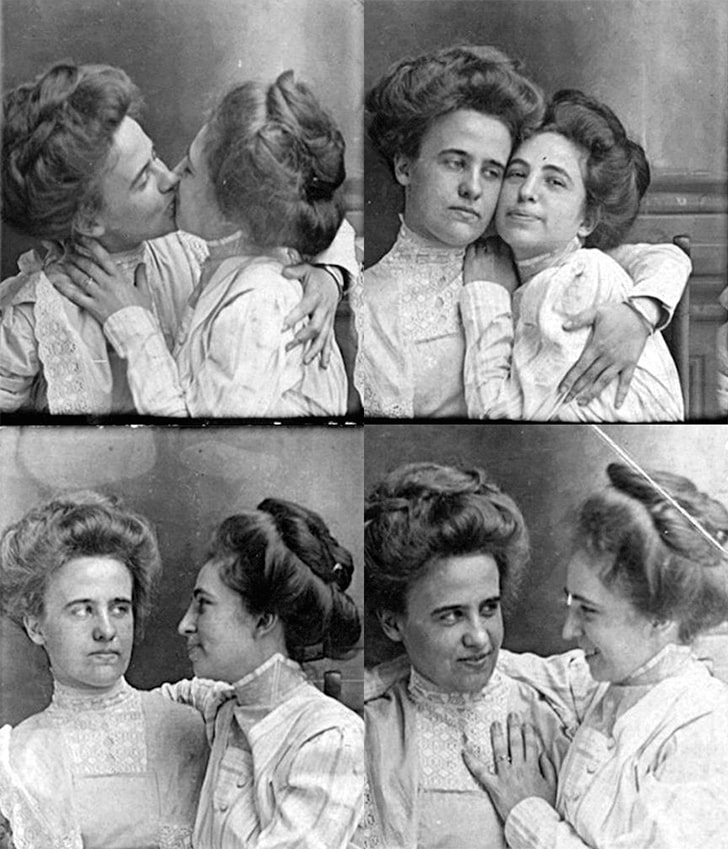
In the UK and the US, relationships between women were taboo, leading many couples to be careful and strategic. Affection had to be coded, and privacy was key. Legal recognition arrived much later, with the UK allowing same-sex marriage in 2014, and the US followed nationwide in 2015. These changes were pivotal for LGBTQ+ rights and visibility.
The Photo Booth Snapshot That Quietly Broke All the Rules
Frozen in a sweet little photo booth strip, two men lean into each other, holding on like they belong there. It looks simple, almost ordinary, but in the early 1930s, it was anything but. At that time in Canada, showing such affection could invite real danger. Gay people faced heavy stigma, constant suspicion, and the real threat of punishment. So this isn’t just a cute keepsake; it’s a small, brave record of love finding a way to exist, even when the world insisted it shouldn’t.
Back then, intimacy like this wasn’t just frowned upon; it could be treated as a crime. Accused individuals risked arrest, jail time, and so-called “treatments” masquerading as medicine. Change came slowly, propelled by activism and people defying invisibility. A pivotal moment arrived on July 20, 2005, when Canada became the fourth country to legalize same-sex marriage, transforming what once had to be hidden into something recognized by law.
The Surfboard Trick That Makes Physics Finally Click
An inventive American teacher is turning physics class into a surf session, and students love it. Instead of tossing formulas on the board, he uses surfing to show real-world behavior. Waves become a crash course in dynamics, buoyancy stops being just a word, and Newton's laws feel less like homework and more like common sense. By tying big ideas to something relatable, he makes tough concepts feel familiar, practical, and honestly fun.
Surfing's ancient, but modern surf physics offers new insights. Understanding wave dynamics helps surfers read the ocean, while basics like balance, lift, and drag inform stance and board design. Physics became part of American schooling in the early 1900s, then got a boost in the 1950s with the space race. It's science you can ride.
Why This One Photo Says More Than a Thousand Speeches
In this image, a small white child in Ku Klux Klan robes leans forward with wide-eyed curiosity, peering into the clear shield of a Black state trooper. The contrast is jarring, as the outfit's long, ugly history is clearly lost on the kid. The Klan, founded in 1865, built its identity around fear, hatred, and control. While African Americans were its primary targets, Jews, Catholics, and other minorities were also treated as enemies in its warped worldview.
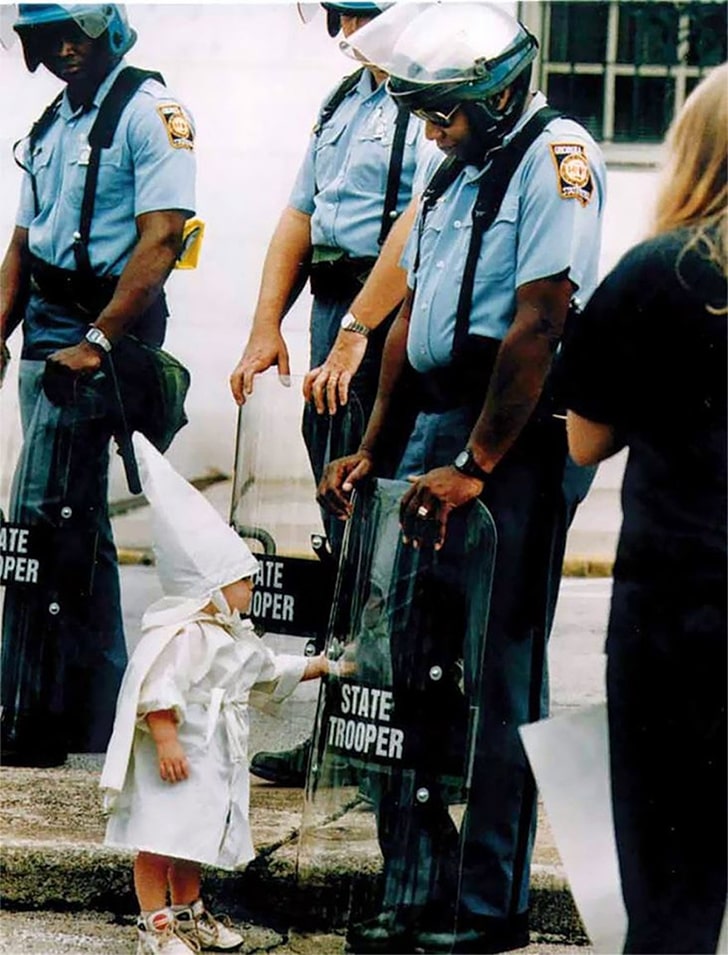
The group surged during Reconstruction, reemerged in the 1920s, and again during the civil rights era. It pushed fantasies of “racial purity” with intimidation and rallied to instill fear. Notorious attacks revealed its extreme violence, including the 1963 bombing of Birmingham’s 16th Street Baptist Church, a tragedy making the Klan’s brutality impossible to ignore.
The Yearbook Photo That Links Snoop Dogg and Cameron Diaz
Who expects to flip through old high school memories and stumble on a future rap icon next to a future rom-com queen? These throwback shots capture a young Snoop long before his laid-back legend status, iconic voice, and hits like “Gin and Juice.” It’s a snapshot that makes you wonder how nobody foresaw his journey.
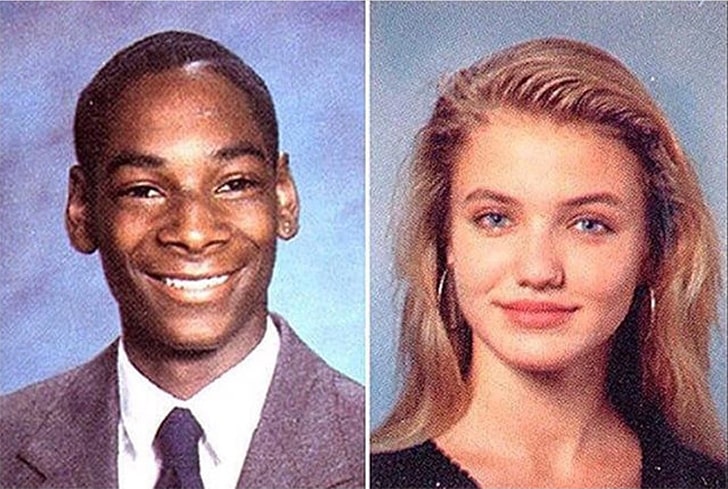
And on the right, yep, that’s Cameron, years before lighting up Hollywood in The Mask and turning There’s Something About Mary into a cultural moment. Both attended Long Beach Polytechnic High in California, making this even wilder. The actor has said she bought weed from Snoop back then—a detail almost too perfect for a “small world” story.
The One Thing Freddie Left Behind That Says Everything
Queen’s larger-than-life frontman didn’t just live loudly onstage; he had a layered, complicated private world too. Before publicly embracing being gay, he was deeply involved with Mary Austin. The photo here captures them in a rare, unguarded moment that feels less like rock history and more like two people who genuinely knew each other. Their story isn’t a neat headline; it’s a real relationship that shifted shape over time.
Even after the romance ended, the musician and Mary didn’t drift into the usual awkward “we used to date” distance. They stayed close, steady friends up to the end, which says a lot about what they meant to each other beyond labels. He died on November 24, 1991, and the bond was written into his final decisions. Mercury left Mary the bulk of his estate, including Garden Lodge, the home he cherished. It wasn’t a grand gesture; it was loyalty, plain and simple.
The One Photo From Belgrade That Still Stops Fans Cold
The powerhouse behind “Rehab” and “Back to Black” was all swagger and soul on the outside but painfully fragile underneath. This believed-to-be her last known portrait, captured during her final show in Belgrade in June 2011, hits harder once you know what came next, showing a voice still trying to push through as everything around seemed to unravel.
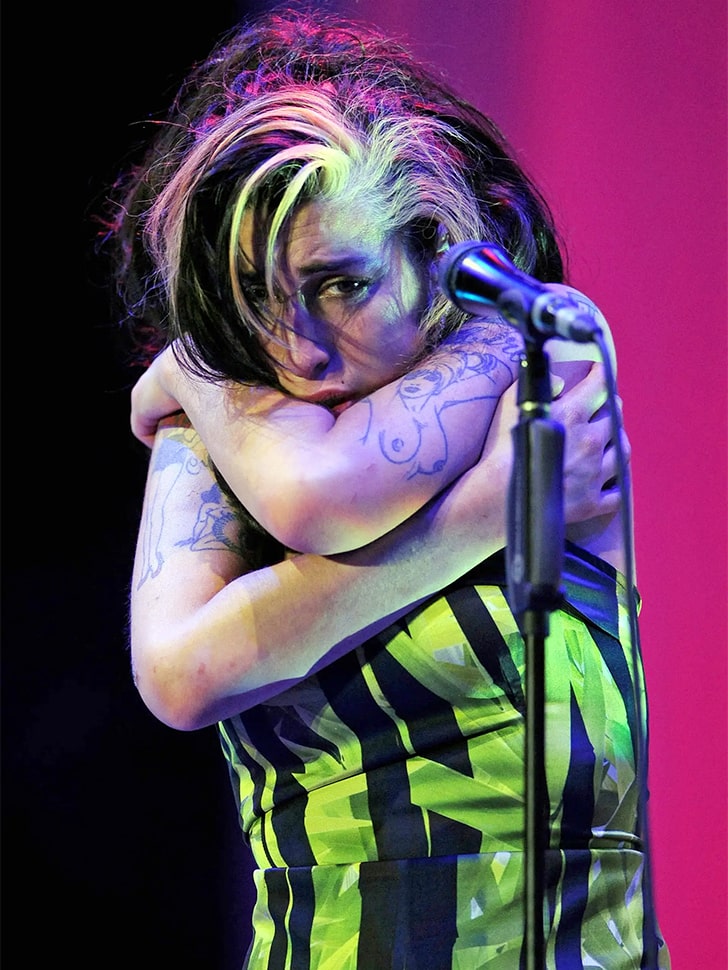
Her rise wasn’t just about the music; it was about the chaos that followed—addiction battles, messy headlines, and a spotlight that chewed her up. The press often treated her like a spectacle instead of a person. On July 23, 2011, she was found dead at her London home from alcohol poisoning at 27, joining that grim club far too soon.
The One Wedding Photo That Says Everything About the Obamas
Barack, years before his presidency, and Michelle share a pure moment from their wedding day. In this snapshot, he humorously reaches for her garter, capturing a mix of goofiness and sweetness. Taken on October 3, 1992, this genuine laughter reflects their deep bond, a chemistry that later captivated the world stage.
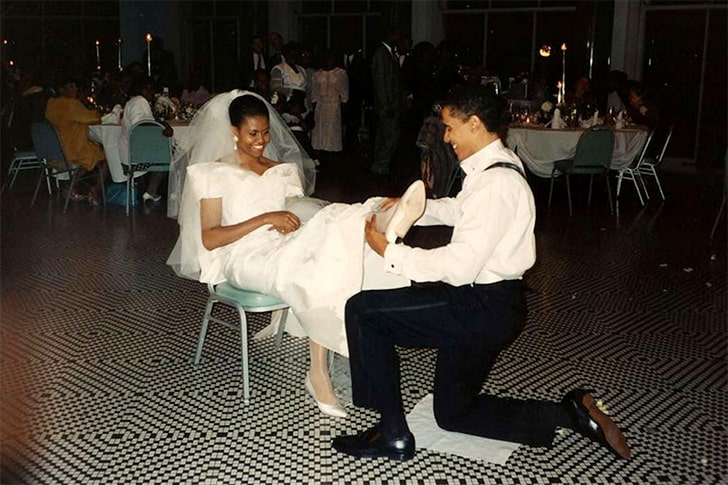
Barack won the presidency in 2008, taking office in 2009 and serving until 2017. Key achievements include the Affordable Care Act and the operation that killed Osama bin Laden. This playful wedding moment reminds us that before the political stage, they were simply enjoying their reception as a loving couple.
The Baby Crocodile in This Photo Tells a Whole Different Steve Irwin Story
Irwin, Australia’s famously fearless zookeeper and the wild-hearted face of Animal Planet’s The Crocodile Hunter, built his legend on big energy and even bigger respect for animals. This snapshot shows a softer, funnier side of him, too. With Bindi dressed in fairy wings and a tiara, he leans into the moment like the ultimate dad, grinning while carefully holding a tiny crocodile. It’s equal parts adorable and classic Steve, playful, proud, and totally at home around creatures most people would sprint away from.
His show aired from 1996 to 2007 and turned wildlife education into must-watch TV, thanks to that unstoppable enthusiasm and the way he spoke about animals like old friends. Viewers around the world tuned in for the laughs, the close calls, and the genuine wonder he brought to every encounter. Sadly, he died on September 4, 2006, after a stingray barb struck him while filming in the Great Barrier Reef. Even so, the spirit of what he did, making people care, still sticks.
The Beach Photo That Hinted at Something Bigger
Young Barack frolicked in the surf with his grandfather Stanley Dunham, enjoying a sunlit beach day. Stanley, a World War II veteran, worked practical jobs like furniture sales, providing the stability Barack needed after his father left. His grandparents offered routine, support, and unwavering presence.
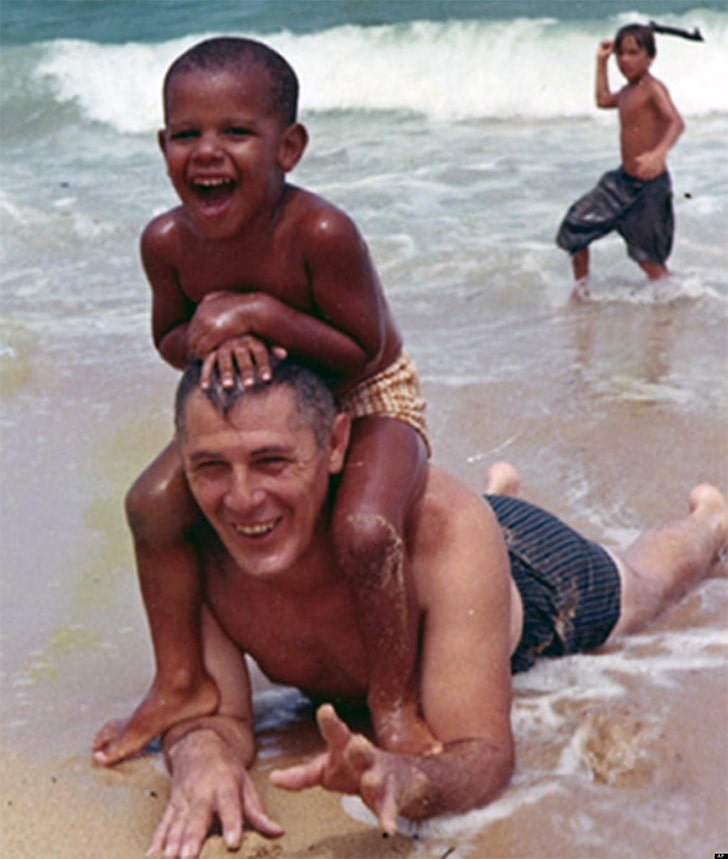
Growing up in Honolulu, Barack had an extraordinary yet grounded childhood. He excelled at Punahou School and later attended Occidental College in Los Angeles. Transferring to Columbia University in New York marked his journey from island roots to big-city ambitions, broadening his horizons with each move.
The 70-Cent Fried Chicken That Quietly Said Everything About 1959
In 1959, amid the civil rights movement, couples dined out, leaning on each other for respite. The menu was a time capsule: fried shrimp for 85 cents, fried chicken for 70. More than dinner, it offered a serene escape, a chance to laugh and feel human, while the nation fiercely debated freedom.
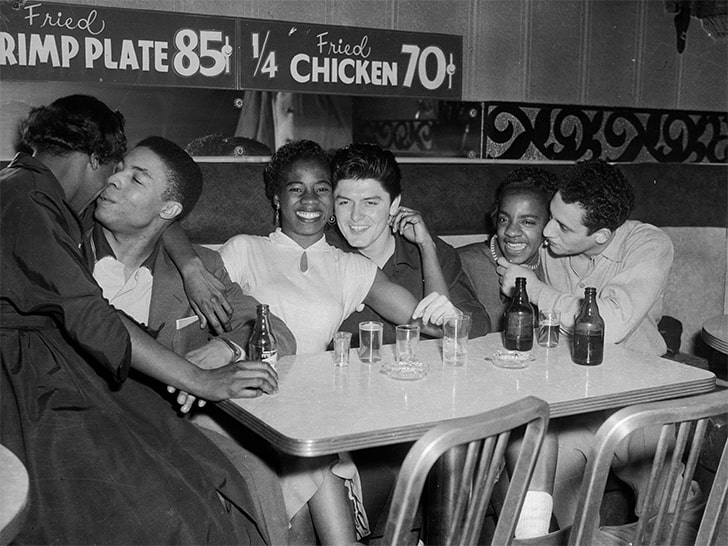
Beyond those tables, segregation's end was near, with relentless protests leading to changes. The Civil Rights Act of 1964 and Voting Rights Act of 1965 dismantled systemic barriers. This era was not just history; it was about reclaiming rights, while still savoring meals, dates, and moments of peace.
The Backstage Oscar Photo That Caught Hepburn and Kelly in the Same Frame
Here’s a sparkling time capsule from Hollywood’s golden age: Audrey and Grace, both born in 1929, crossing paths at the Oscars. It’s the kind of perfectly timed moment you can’t plan, two screen legends in the same glow, with effortless poise. The setting is all tuxedos, gowns, and hushed excitement, but the real magic is how casual it feels, like the universe briefly put its two brightest stars side by side and let the cameras do the rest.
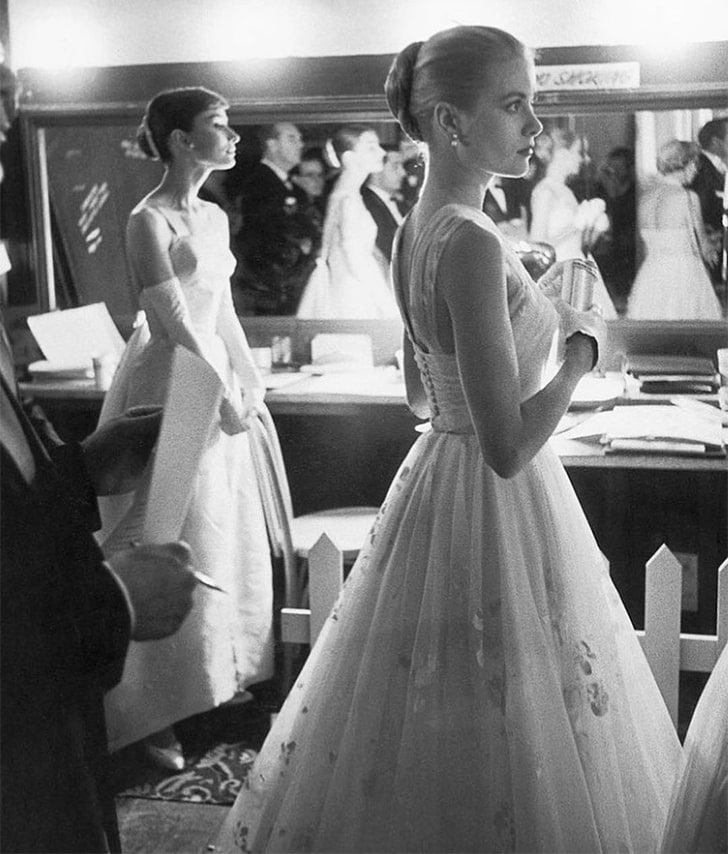
Audrey, linked to Roman Holiday and Breakfast at Tiffany’s, took home the Best Actress Oscar for Roman Holiday in 1953. Grace, celebrated for turns in High Noon and Rear Window, won Best Actress the next year for The Country Girl. This isn’t just a pretty backstage shot; it’s a meeting of women riding the biggest wave an actor can catch. The photo freezes that rare overlap when both careers were blazing.
The One Thing in Her Arms at the Atlanta Airport That Says Everything
Commander Gurrola, a military doctor, is pictured finally holding her daughter, Gaby, again at the Atlanta airport. After serving in the Iraq War, she did work that most can barely imagine, helping wounded service members under brutal conditions. In this snapshot, all that toughness melts into something softer yet just as powerful. It's about a mom coming home to a little girl who has been waiting.
Captured in 2009, the photo resonates because it shows a part of military life not often seen: the waiting, the distance, the constant knot of worry. Families can be apart for months, or years. Her tears are the release of everything carried while gone—joy, relief, exhaustion, and love all at once. Anyone from a military family recognizes that look instantly.
The One New Year’s Eve Party That Changed a Wheelchair and a Wedding Ring Forever
Stephen Hawking met Jane Wilde at a New Year’s Eve party in 1963, expecting small talk, not a life-changing bond. He was a budding theoretical physicist; she, a spirited literature student. That same year, his ALS diagnosis came with a grim prediction: only a few years to live. Yet their relationship thrived instead of withering.
They wed in 1965, having three children—Robert, Lucy, and Timothy. As Hawking's health declined and career soared, Jane anchored their family. The 2014 film The Theory of Everything later spotlighted their intricate, resilient love story, gaining awards and widespread attention.
The One Name Change That Turned a Kid Into Rock’s Ultimate Shape-Shifter
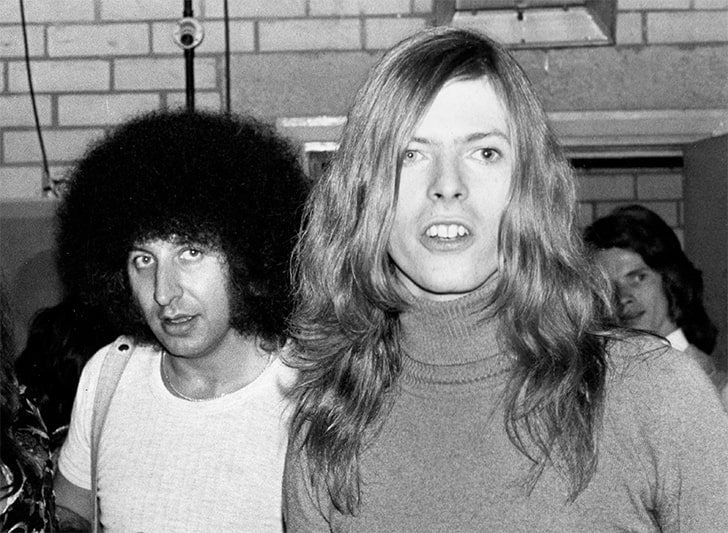
Here you’re looking at a young Bowie, back when he was still going by Davy Jones, long before the Ziggy Stardust era made him feel like he’d dropped in from another planet. Born David Robert Jones in 1947, he started out as a sharp, ambitious London kid chasing a sound and a spotlight. But in the late 1960s, he made a smart move and switched his stage name, mainly to dodge constant mix-ups with Davy Jones from The Monkees.
One small tweak, and suddenly the legend had room to grow.
The One Thing You’d Never Guess Freddie Mercury Loved Most: His Cats
Queen’s unstoppable frontman could fill a stadium with just a voice and a grin. Between anthems like “Bohemian Rhapsody” and “We Are the Champions,” he expanded what a rock star could look like. But when the lights went down, his favorite company wasn’t a crowd. It was quiet, furry, and purring at his feet.
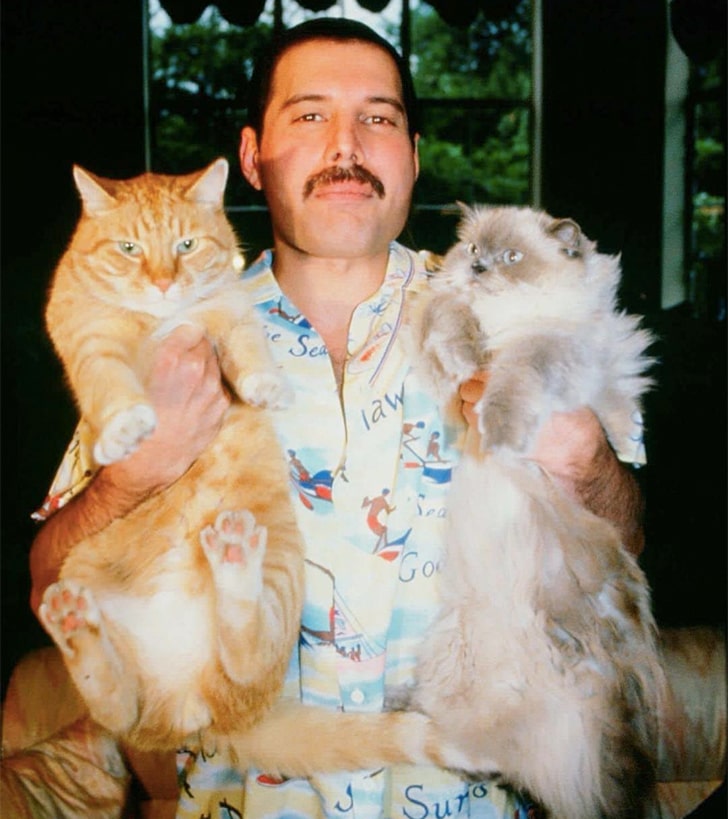
His affection for cats was pure devotion. He had ten, treated like royalty with their own rooms. He talked about them as most do about children, with pride. He even dedicated his solo album Mr. Bad Guy to his feline crew. This photo captures that softer, playful side, cradling two favorite little sidekicks.
The 1957 Schoolhouse Walk That Took More Nerve Than You Think
Dorothy Counts was just 15 when she stepped into history, enrolling in the all-white Harry Harding High School in Charlotte, North Carolina. Her act, walking through the doors like she belonged there, made her the first Black student at the school. Instead of a normal first day, she faced open cruelty. The moment wasn’t quiet or subtle; it was loud, public, and meant to scare her back into silence.
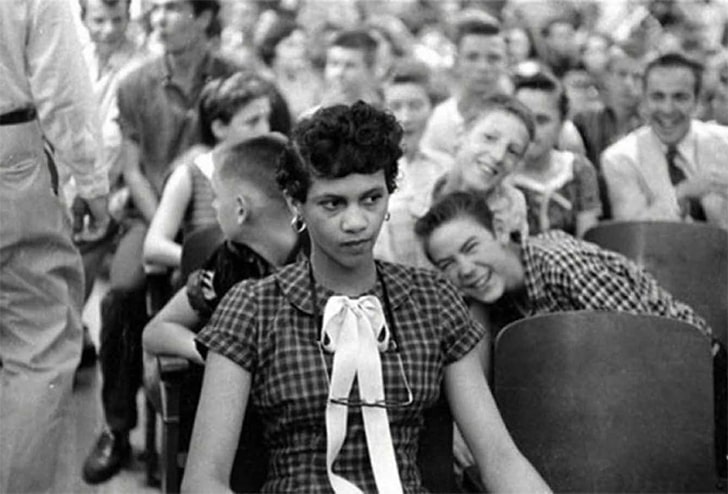
The photo says it all: classmates jeering, circling, and harassing her like it was entertainment. It’s a blunt snapshot of how deeply racism was embedded in everyday life. Her courage didn’t just echo in the hallway; it drew national attention and fueled the civil rights movement. Real legal change took longer and only came with the 1964 Civil Rights Act.
The Photo of a Man Sitting Calmly Under Man-Made Lightning
Say hello to Tesla, the electricity sorcerer, photographed in 1899 inside his Colorado Springs lab. It looks like a still from a sci-fi blockbuster but it’s real: Tesla sitting there like it’s no big thing while a gigantic Tesla coil hurls lightning around him. This mind helped make alternating current (AC) the backbone of modern power, turning an idea into something that could light up cities.
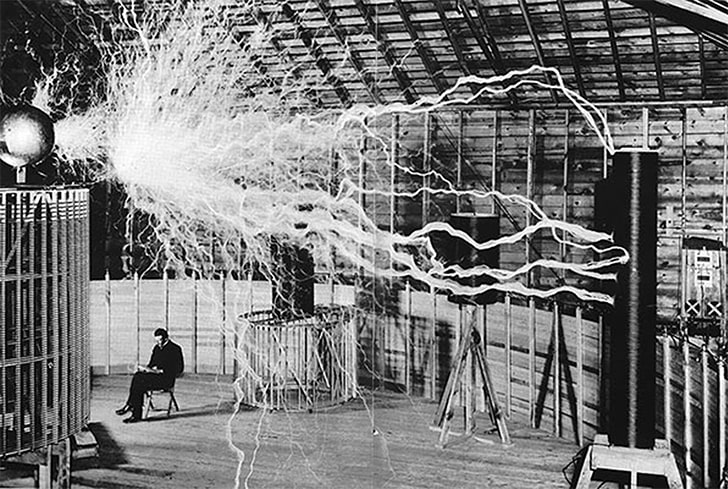
That famous shot captures the kind of fearless testing he was known for, especially his push toward wireless electricity. Along the way, he shaped the electrical grid, influenced radio technology, and toyed with ideas resembling early robotics. He wasn’t just dreaming; he had over 300 patents to his name, with much of today’s tech tracing back to his groundwork.
Why a Simple Pair of Shoes Meant Everything in 1946
Taken in 1946, this photo captures a young Austrian boy glowing after the Red Cross gives him a brand-new pair of shoes. Living in an orphanage, like many kids affected by World War II, he experienced “new” as a rarity and basics as luxuries. To him, those shoes felt like winning the lottery. His grin—relief, pride, disbelief—says it all, celebrating that something good finally arrived.
World War II ran from 1939 to 1945, killing over 70 million and leaving destruction. Afterward, the damage lingered: many children were orphaned, lacking stability and essentials. In this setting, new shoes were more than clothing—they were comfort, dignity, and a promise of a better life.
What This 1945 Photo From a Nazi Death Train Reveals Up Close
This unforgettable photo, shot in 1945, freezes the moment Jewish prisoners realize they are finally being freed. Their faces show exhaustion, shock, and a stunned relief that barely feels real. They endured days in cramped cattle cars, with almost no food, water, or space. The image, even in silence, conveys everything about their survival and what it meant to reenter life.
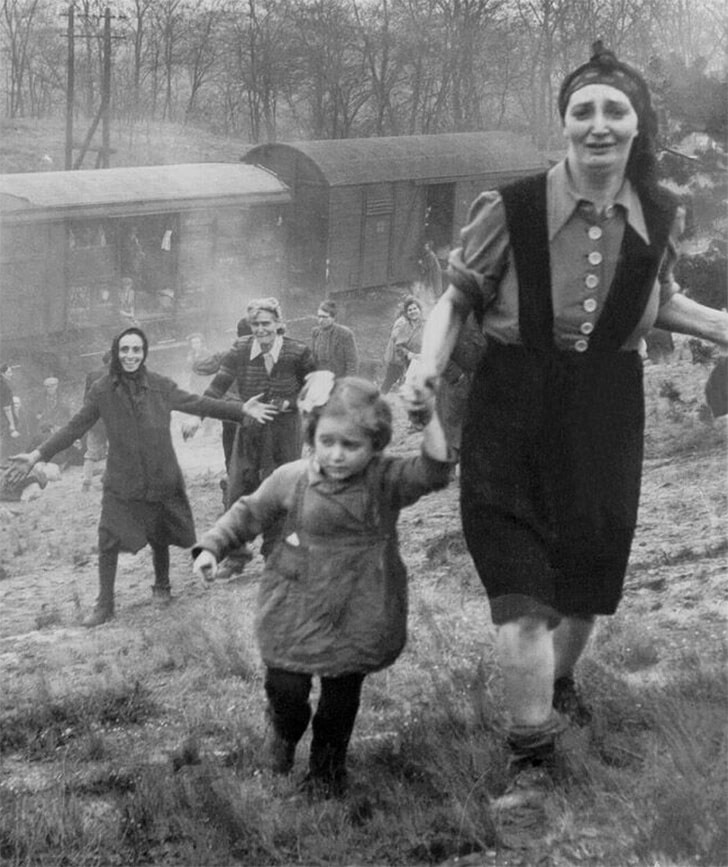
World War II's horrors are hard to articulate, with Jewish communities facing brutal violence. Six million Jews were murdered in the Holocaust through ghettos, shootings, forced labor, and camps. Photos like this matter as they do more than document history; they humanize it, showing that behind every statistic were people clinging to survival and somehow reaching freedom.
The Brick Wall Between These Two Graves, and the Hands That Refused to Let Go
Taken in the Netherlands in 1888, this unforgettable scene shows two graves walled off from each other. One belonged to a Catholic woman, the other to her Protestant husband. Separated by faith, they lay on opposite sides of a brick barrier. Yet, atop the wall, two stone hands meet, fingers locked—a simple, stubborn symbol of devotion, defying the rules.
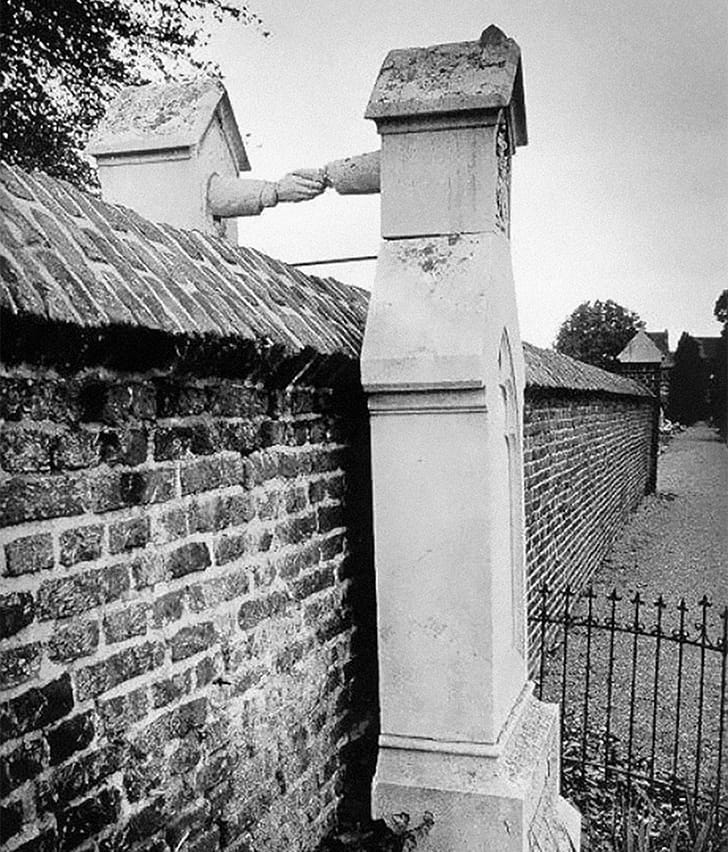
In the 19th century, religious gatekeeping was common. Mixed marriages faced gossip and discrimination, with strict lines about belonging, even in death. This memorial does not argue; it shows a couple refusing separation in the only way left. The wall stands, but love finds a way to cross it.
The One Detail in This 1936 Photo That Changes Everything
In a famous 1936 scene from Germany, the crowd blends into one moving shape, arms thrust upward in the Nazi salute. Then your eyes catch it: one man with his arms folded tight across his chest. No shouting, no sign, just a quiet refusal that lands like a punch. In a country where the wrong look could get you reported, standing apart took real nerve. That single still moment captures something huge, the idea that even when everyone is pressured to comply, one person can choose not to.
Nazi Germany, under Hitler, was defined by authoritarian rule and brutal persecution from 1933 to 1945. That context makes the crossed arms striking. The man has never been definitively identified, making the image feel bigger than one biography. He becomes a stand-in for anyone who resisted in small, dangerous ways. His choice did not topple the regime but speaks loudly, proof that individual conscience can survive even in a system built to crush it.
The Tiny Hearing Aid That Changed Harold Whittles’ World Overnight
This unforgettable photo from 1974 captures when Harold hears sound for the first time. His expression shows shock, curiosity, and joy. This change was due to Dr. Jack Bradley, who fitted him with a hearing aid. Born deaf, he had known only silence for five years. This wasn't just “hearing better”; it opened a door to a previously inaccessible world.
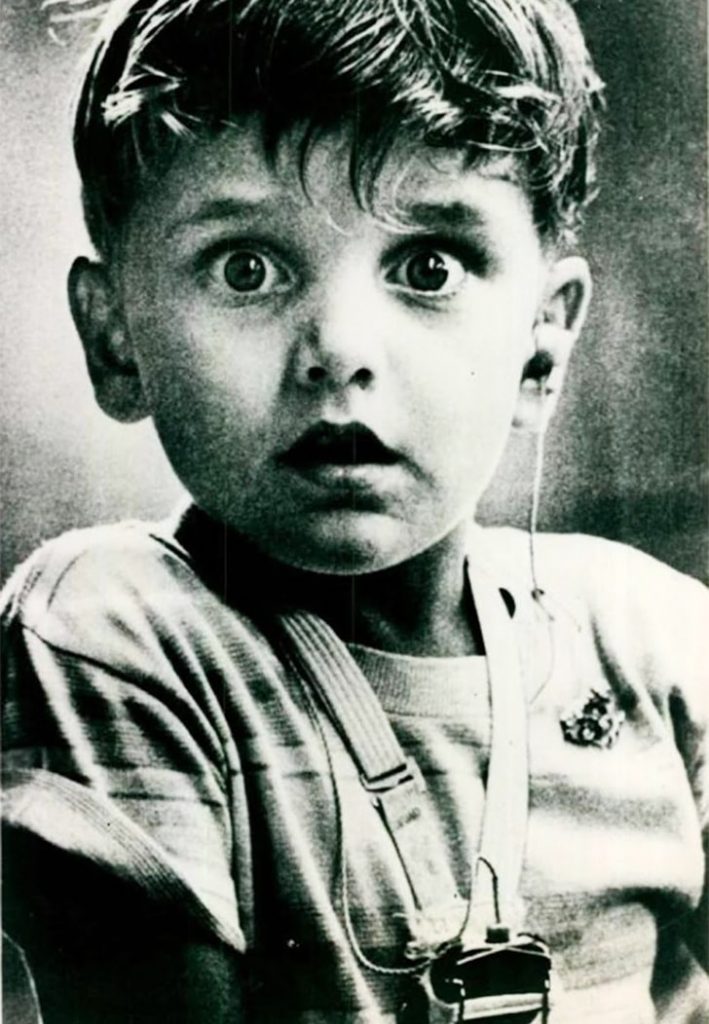
Imagine hearing your voice, a friend’s laugh, or life's buzz for the first time. Even small sounds would seem huge. In the 1970s, hearing aids were big, unlike today’s discreet tech. His reaction reminds us that “innovation” isn’t just a buzzword; it can mean the difference between a silent childhood and a suddenly noisy, fascinating world.
The Sign on His Back That Doubled as a Resume
In 1930, job hunting was entirely different. No apps or alerts, just grit. This man had plenty to offer: three trades, three languages, three years of fighting, and three children relying on him, but he'd been out of work for months. So, he did the most direct thing imaginable: he strapped a sign to his back and made himself a walking advertisement.
Today, you can polish a LinkedIn profile, upload a resume, and scroll job boards from your couch. Back then, you had to be your own billboard. That homemade sign on his back says a lot about the era, especially during the Great Depression, when competition was fierce and survival trumped dignity. It's both heartbreaking and smart: a plain pitch without networking, just a street, a sign, and hope.
The One Road Sign That Flipped Sweden Overnight
This 1967 photo captures the morning after Sweden's bold switch from left to right-hand driving, known as “Dagen H” or “H Day,” on September 3, 1967. Overnight, drivers had to rethink muscle memory, intersections took on new rhythms, and the streets felt like they were holding their breath for the first honk.
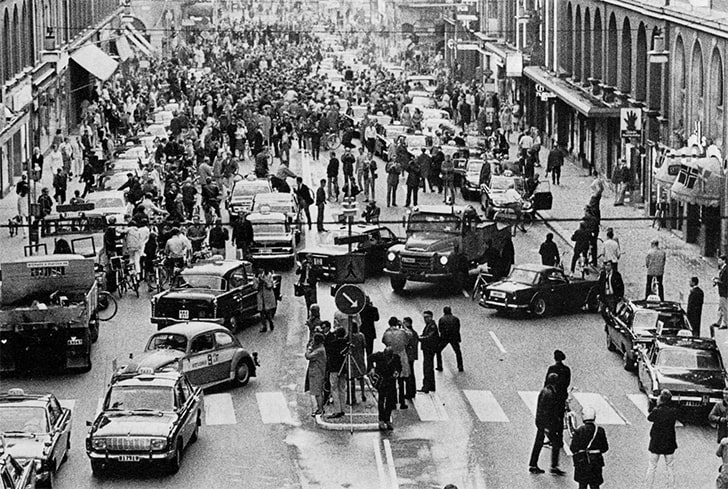
The confusion is palpable: cars creep, pedestrians hesitate, cyclists do mental math, and everyone adjusts to the new “correct” side. Surprisingly, it worked smoothly—despite nervous energy and awkward stops, only a handful of minor fender-benders occurred, with no fatalities. Impressive for a nationwide changeover.
This 1945 Photo Shows the Exact Moment the Truth Hit
Taken in 1945, this chilling photo captures a moment almost too overwhelming to fathom. A group of Nazi soldiers is confronted with the grim reality of the concentration camps. Their faces reflect shock, confusion, and silent disbelief, as if the ground has vanished beneath them. Whatever lies they were fed, whatever myths they clung to, clash with a truth they can no longer deny. The image speaks for itself; it's the weight of truth etched on their faces.
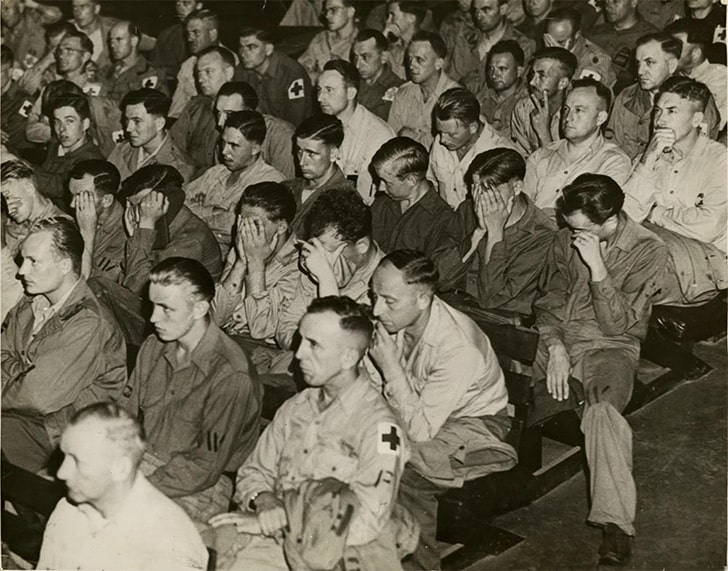
The Holocaust led to the systematic murder of six million Jews, along with countless Roma, gay individuals, and political dissenters. An estimated 40,000 camps and ghettos spanned Nazi-controlled Europe, driving this atrocity. Such scale is hard to grasp, making images like this particularly haunting. It captures the moment when propaganda and denial confront undeniable evidence, with no escape from the stark reality.