
The One Silver Payment That Made a Viking Marriage Official
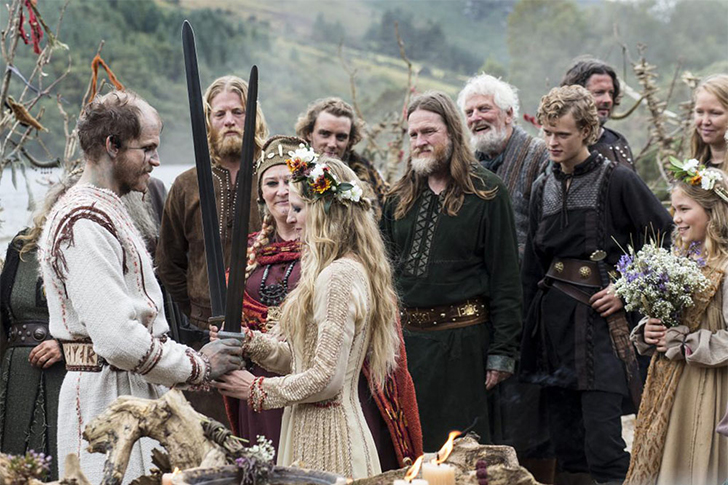
Viking weddings resembled a family boardroom meeting, just with better scenery. Before any toasting, the groom's side had to provide real value, namely the mundr, a bride price given to the bride’s family. It was a public declaration of the groom's ability to run a household, not just a romantic gesture. Marriage began as a contract, with clear, agreed-upon terms.
The bride’s family brought a dowry called heiman fylgia, often consisting of land, cattle, or silver—assets crucial for living, trading, or inheritance. In Iceland, an eight-ounce silver mundr was common, with the heiman fylgia expected to match it. This exchange was a significant economic deal and social contract, joining two families into a long-term alliance.
The Weird Reason Viking Ships Had No Cabins, Just a Deck and a Sail
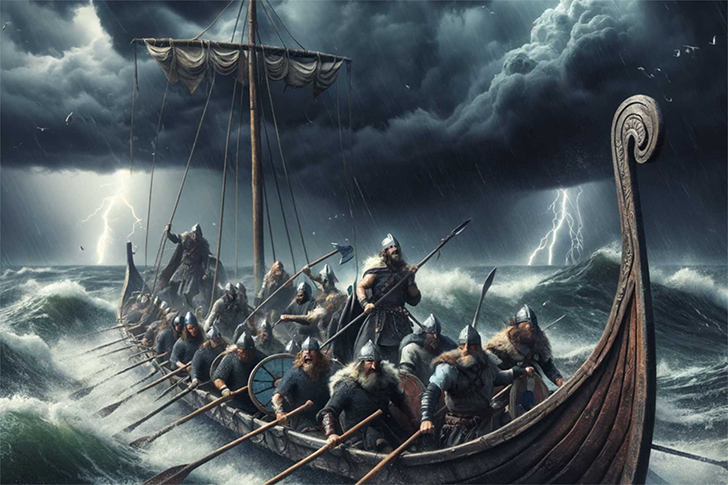
Viking ships, whether longships or the chunkier knarrs, didn’t have anything resembling a snug cabin. These open boats meant the crew worked, ate, and slept exposed to the elements. When docked, they would lower the sail over the hull like a makeshift tent to shield against the wind and rain.
At sea, there was no shelter; everyone stayed on deck, facing cold gusts and salty spray. For warmth, they’d huddle together, wrapped in animal-skin blankets, essentially becoming a bundled pile of survival. It wasn’t comfortable or glamorous, yet this rough setup helped them endure long, punishing voyages in a cantankerous ocean.
The Surprising Object Behind Viking “Good Luck”, Freyja’s Cats
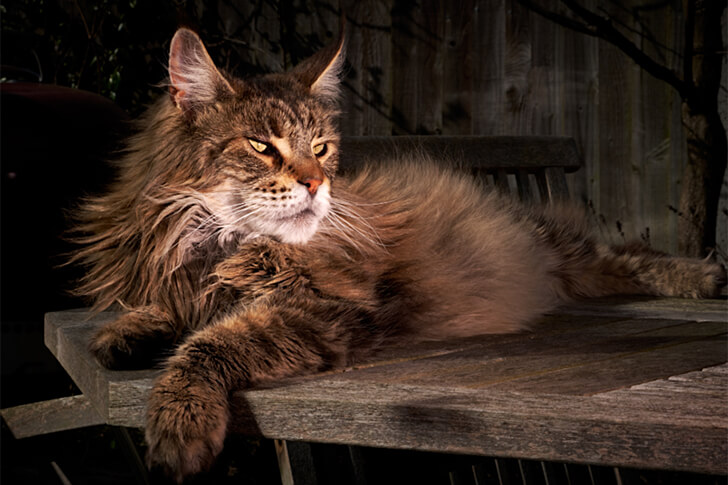
Vikings didn’t just keep cats for practical reasons; they featured prominently in myths. In Norse tales, Freyja, the goddess of love and fertility, rides a chariot pulled by cats, symbolizing feline blessings. This image turned them into symbols of luck. Archaeologists found cats buried with people in Viking graves, suggesting cherished companionship beyond pest control.
Little evidence exists that Vikings routinely gifted kittens as wedding presents, but older customs linked cats with good omens for brides. Around 900 AD, cats were associated with smooth celebrations and blessings for new households, key for a culture attuned to nature. Cats hunted mice but also embodied a quiet magic, sitting at life and folklore crossroads, purring into prominence.
Why Did Vikings Carve Lines Into Their Front Teeth?
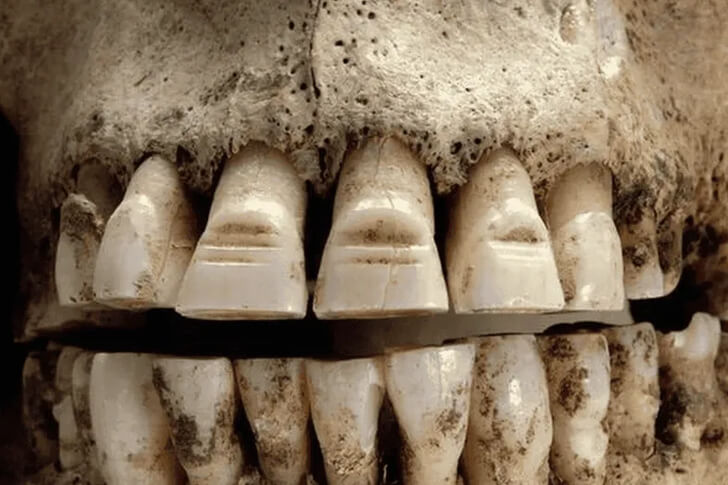
Archaeologists keep spotting a unique feature in Viking Age graves: about 130 men were found with neat grooves cut across their front teeth. These clean lines seem more like a chosen style or personal logo. Notably, they appear in locations linked to movement and trade, such as Sweden's Gotland and busy hubs like Kopparsvik.
The prevailing theory is that the carving wasn't done by the individuals themselves. The precision suggests it required someone else with a steady hand and proper tools. Researchers propose these grooves acted as a social signal, possibly indicating status or group affiliation. Many examples are from 10th and 11th century burials around Scandinavia, pointing to a regional trend rather than an anomaly.
Could a “Sunstone” Really Help Vikings Navigate in a Whiteout?
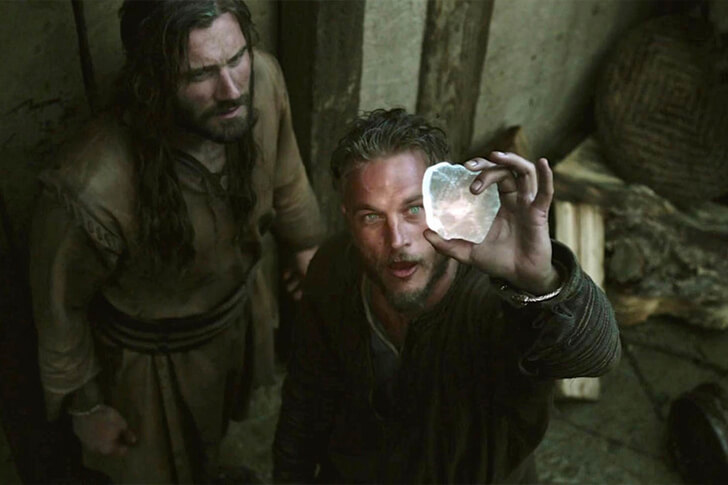
Long before magnetic compasses, Viking sailors may have relied on a clever backup when the sky turned unhelpful. Medieval Icelandic sagas mention a sólarsteinn, or “sunstone,” used to detect the sun's location when obscured. On foggy or overcast days, the crystal could mean the difference between aimless drifting and steady navigation across open seas.
Many researchers believe the “sunstone” was grounded in science. A polarizing crystal like Iceland spar can interact with scattered light to reveal the sun’s position, even if obscured. By rotating the crystal and observing brightness changes, navigators could determine the sun's direction. Used effectively, Vikings could maintain a heading across the North Atlantic around the year 1000.
The One “Treasure” Vikings Took That Nobody Brags About
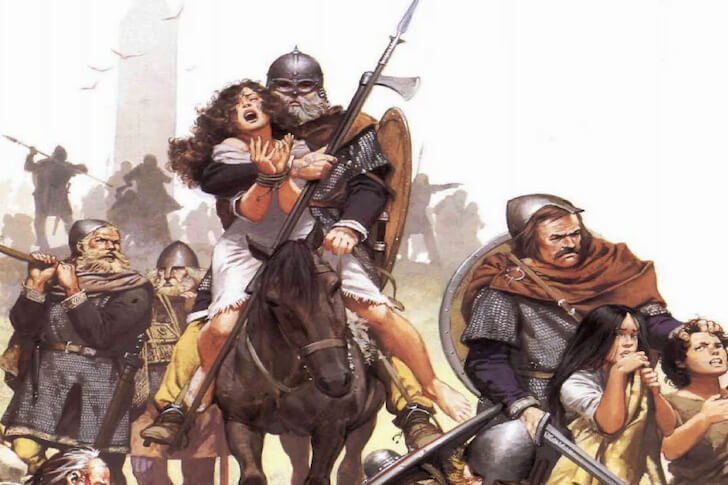
When Norse raiding parties hit a town, they grabbed more than shiny stuff; they took people. Captives became thralls, enslaved individuals forced into hard labor. Some were sold, others kept for household work, including cooking and cleaning. Women were especially vulnerable, often pushed into domestic service or coerced into sexual exploitation as concubines, depending on their buyers.
Sources like the Annals of Ulster note raids carrying off “a great number of women.” This drove a major Viking economy component, linking European regions to eastern markets where enslaved people were traded for silver and luxury goods like silk. For many women, being taken meant years of control and abuse, treated as property rather than individuals.
Why Do People Picture Horns on Viking Helmets When None Have Ever Turned Up?
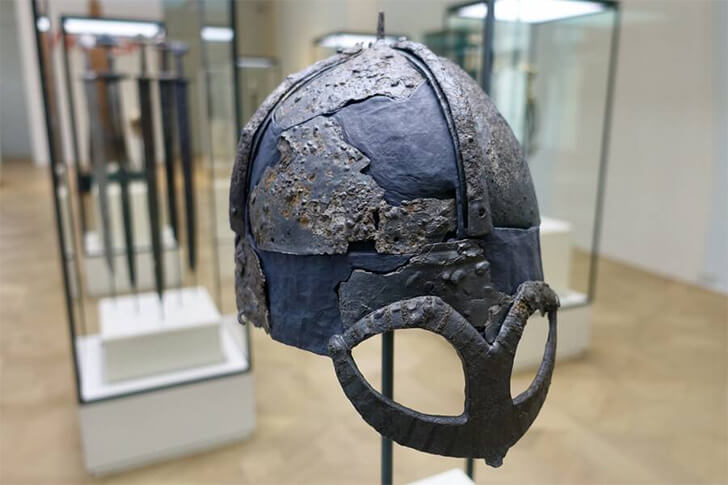
The “Viking” helmet with horns is common in cartoons and logos, yet evidence is lacking. Generations of archaeologists have searched Viking Age sites (793-1066 AD) without finding a single horned helmet. If they were standard gear, at least one would likely have shown up in graves or hoards.
The practical finds, like the Gjermundbu helmet from Norway and fragments from Denmark, Sweden, and Ukraine, emphasize protection. Horns would complicate combat. The horned image became popular in the 1800s when artists and opera designers prioritized drama over historical accuracy.
That “Viking Skull Cup” Story? It Was Really Just a Drinking Horn
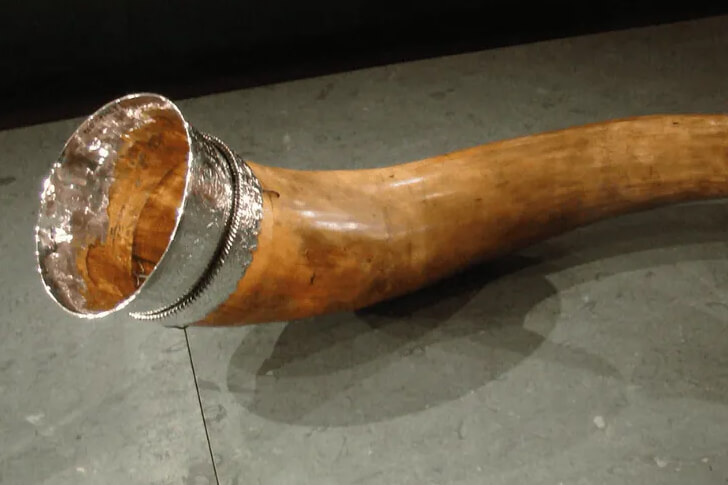
That famous image of Vikings sipping from an enemy’s skull is less “brutal truth” and more “oops, bad translation.” In the skaldic poem Krákumál, there’s a kenning like “the curved branches of skulls.” It sounds metal, but it's poetic shorthand for drinking horns, made from animal horn. So, no, it’s not human heads turned into cups, just flowery Old Norse wordplay.
The skull-cup myth took off in the 1600s, when someone read that line too literally. But Old Norse texts and archaeological finds show a less creepy reality. Vikings drank from horns, usually from cattle or goats, dressed with metal to impress. They passed them at feasts with mead or ale, not skulls like a movie villain.
Why a Bowl of Onion Soup Was a Viking Wound Detector
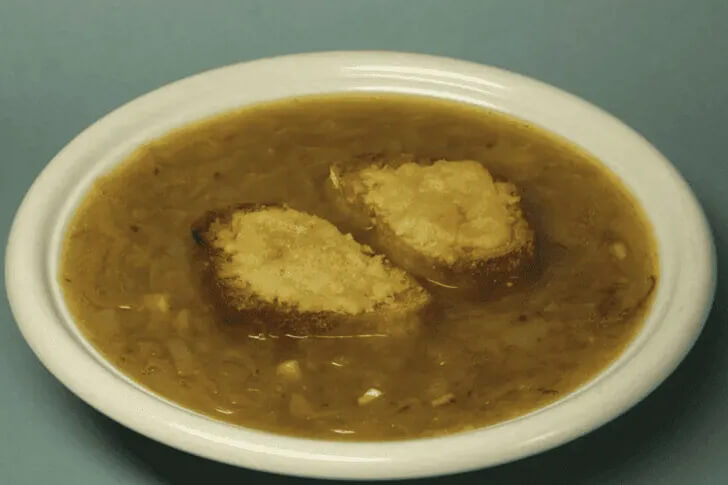
Viking-age medicine blended practicality with eerie ingenuity. In Norse sagas from the 1200s, healers used a straightforward "test" for stomach wounds. Warriors with gut injuries were given a strong onion or leek soup. The purpose was diagnostic, not comforting.
Later, the healer sniffed the wound. If onion or garlic odor emerged, it indicated punctured intestines, spelling doom for the patient. No odor suggested intact guts, meaning survival was possible. The logic was simple: if food scent reaches the injury, the wound is deep, and deep often meant fatal.
The Silver Trick England Used to Get Vikings to Back Off
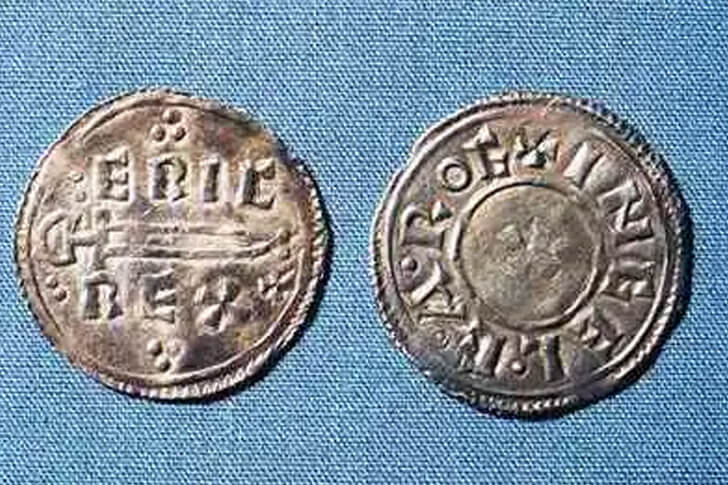
When Vikings attacked monasteries or trading towns, they weren’t after sightseeing. Stopping the chaos often meant payment. Many English leaders found it cheaper to pay silver than rebuild. This protection payment was called danegeld, literally “payment to the Danes.” It was medieval “pay up and nothing bad happens.”
An example followed the Battle of Maldon in 991 CE, when leaders paid 10,000 pounds of silver to persuade Viking raiders to leave. Did it ensure peace? Not always. Sometimes it bought a break, other times it revealed more money to exploit. These payouts increased Viking wealth and reputation, making them dreaded, costly visitors no one wanted to encounter again.
The Viking “Game” That Turned a Swimming Pool Into a Breath-Holding Battle
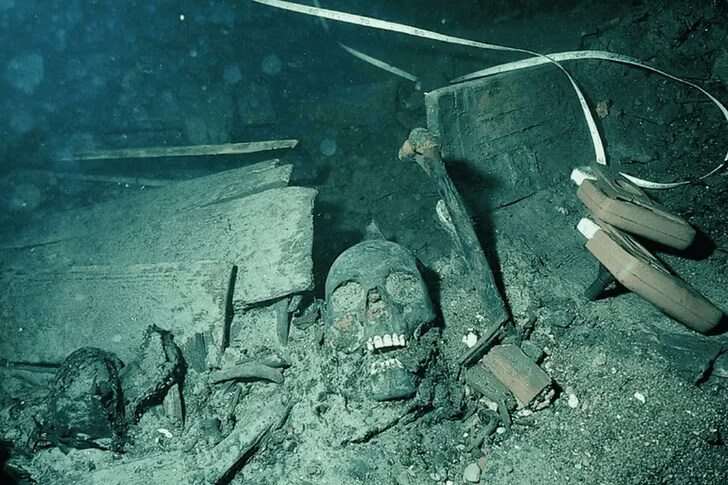
Vikings were not big on “friendly” competition, and their water challenges demonstrated this. In the Laxdaela saga and other tales, swimming was a test of strength, guts, and endurance. Competitors clinched like wrestlers, each trying to submerge the other to prove toughness.
One story features Kjartan in a dunking duel, illustrating the focus on willpower and calm under pressure. They thrash, separate, gasp for air, then dive back in, each determined to win. These exhausting contests were more than spectacles; they earned respect and showed one's ability to handle literal pressure in Viking society.
The One Reindeer Hide Detail That Keeps Starting Fights About Viking Armor

In Viking Age Scandinavia, reindeer were a vital resource, with hides used in everyday gear. One saga detail stands out. In Heimskringla, Snorri Sturluson’s 13th-century history, there's a tale about chieftain Thórir Hund and a distinctive cold-weather enhancement. After trading with the Sámi, he had twelve coats made from reindeer skins, suited for harsh winters.
The narrative shifts to the supernatural. These coats were described not just as warm and durable but as having Lapland magic, allegedly impervious to sword blades. Imagine hide serving as armor, with a spell. This enchanted apparel is featured in the Battle of Stiklestad in 1030, turning an ordinary reindeer pelt into legendary battlefield protection.
The Weird Little Fungus Vikings Used to Keep Fire Alive
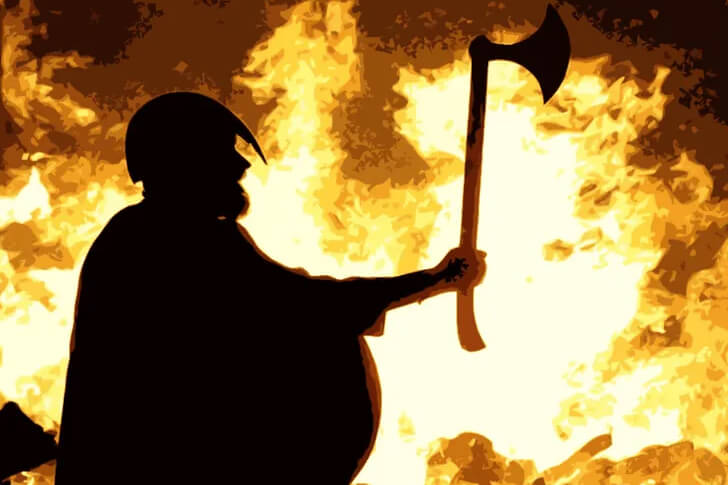
Vikings were not just about raids and longships; they were also clever about fire maintenance. They used a common bracket fungus called Fomes fomentarius, or touchwood. Stripped from tree bark and simmered in stale urine, the nitrates in the liquid soaked into the fungus fibers, enhancing its fire-starting ability.
Once dried, the treated fungus smoldered slowly like a steady ember. This reliable burn allowed crews on long voyages to carry it as a portable heat source, keeping it glowing to reignite a real flame when needed. It helped start cooking fires and set up camp easily, especially in harsh conditions with wind and damp wood.
The One Viking Age Baby “Solution” That Still Sounds Brutal
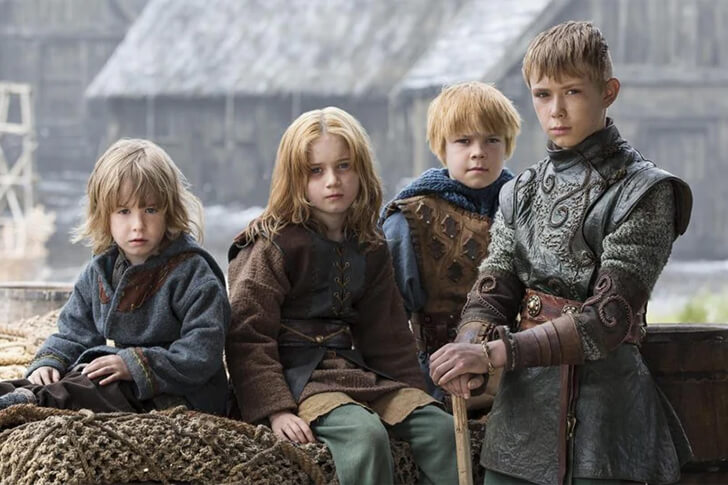
Viking Age Scandinavia was harsh. When winters dragged on and resources were scarce, survival outweighed sentiment. Old Norse writings suggest families sometimes “exposed” infants born with severe deformities, leaving them outside to die. The grim logic was that a child unlikely to live could drain limited resources from a household already struggling.
The sagas and later law codes reflect this survival-first mindset, especially before Christianity spread in the 1000s. Mercy often lost to necessity. Seafaring stories imply similar decisions at sea. On long voyages with limited supplies, a weak infant was a potential risk, and abandonment could be seen as protecting others aboard.
The One Thing Viking Ships Carried Besides Loot
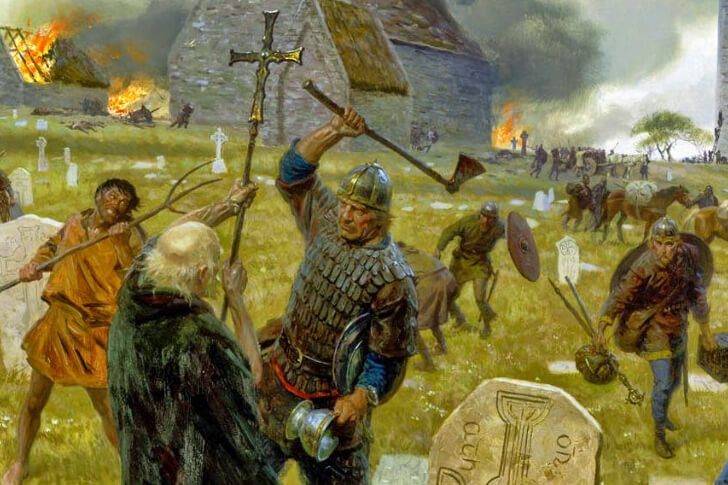
Viking travel opened up trade, alliances, and sea lanes, but it also moved something less glamorous. Scientists have pulled DNA from the virus causing smallpox out of Viking burial sites in Denmark, Norway, Russia, Britain, and Sweden. The genetic traces date to AD 600 through AD 1050, the heart of the Viking Age. Long-distance journeys were booming, with hazards accompanying them.
It's especially wild that these ancient strains don't match versions later in history, hinting the virus circulated well before 1000. As crews worked along rivers and open seas, they probably picked up infections abroad and delivered them home. It's the kind of "souvenir" nobody wants, and once it landed in a crowded settlement, it could spread fast.
Why Did Vikings Drag an Ox Hide Into Court?
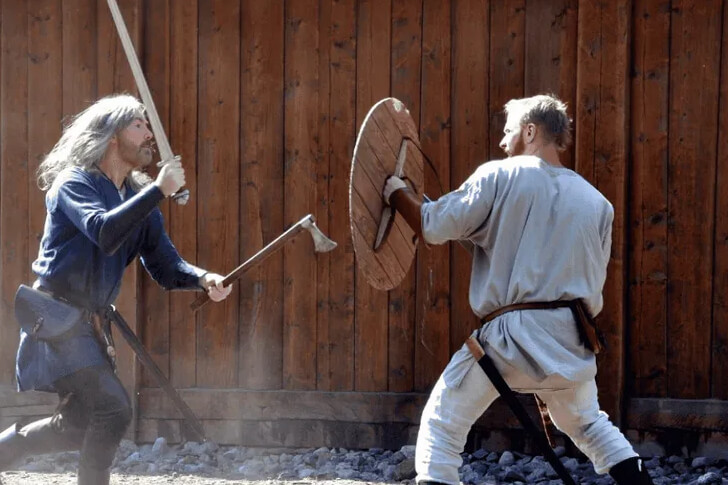
When Viking disputes escalated, they had a backup plan: holmgang, a regulated duel acting as a legal verdict. It settled serious issues like honor, property, or debts, preventing endless feuds. The event took place on an island or marked ground, effectively transforming a grudge into a public “case” with rules and witnesses.
Combatants laid an ox hide to define a ten-foot square fighting area and added boundaries for clarity. Each fighter brought three shields, following a measured, ritualistic exchange of blows. Bleeding enough to be judged beaten or stepping out of the square meant losing both the duel and the dispute.
The One Rule in Holmgang That Let Vikings Walk Off With Your Land
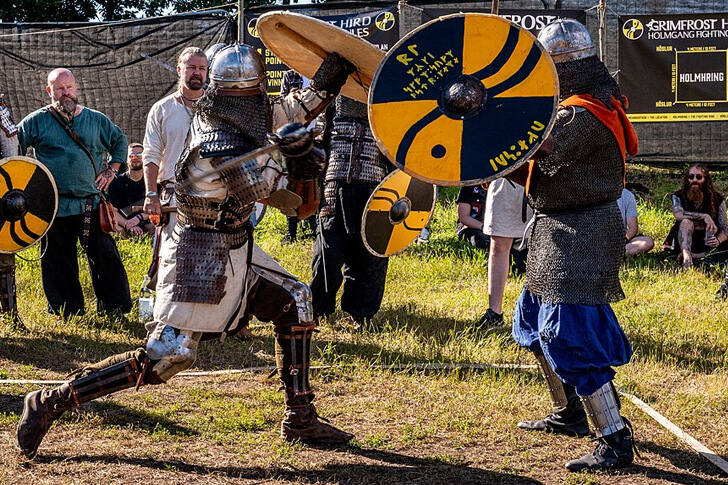
Holmgang, the Vikings’ famous duel law, was meant to prevent community-wide feuds by having disputants fight it out. The catch was the prize: the winner could claim the loser’s property. This tempted abuse, with fighters staking claims before duels and using nerves and intimidation to win. Professional duelists exacerbated this, pushing disputes toward duels and manipulating rules while staying within the law.
Eventually, people realized the system was being manipulated. Lawmakers intervened, banning holmgang in Iceland in 1006 and Norway in 1014. This ended the worst extortion practices and stopped bullies from using the system to acquire others' property through such state-approved shakedowns.
The Sneaky Viking Words Hiding in Your Everyday English
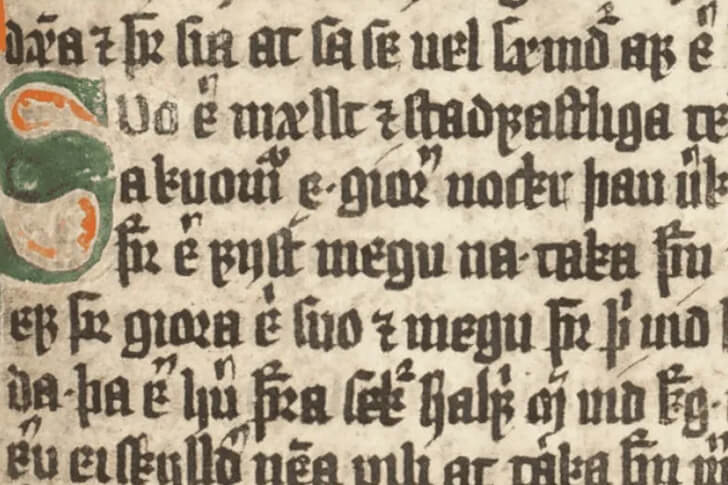
English didn’t just borrow Viking items like helmets. When Norse settlers coexisted with Anglo-Saxons during the Viking Age, their languages blended. From about 870 to 1066, Old Norse slipped into daily conversation via trade, community life, and shared environments. That’s why common words like ugly, egg, knife, die, give, and husband trace back to Norse roots. It's wild how normal they seem!
These Norse terms often replaced older English words or existed alongside them until one became standard. Over time, they lost the feel of being “borrowed” and simply became English. Vikings influenced even basic speech elements. The pronoun “they” is from Old Norse, highlighting how this influence is seamlessly integrated into everyday language.
The One Rock in Viking Wrestling That Changed Everything
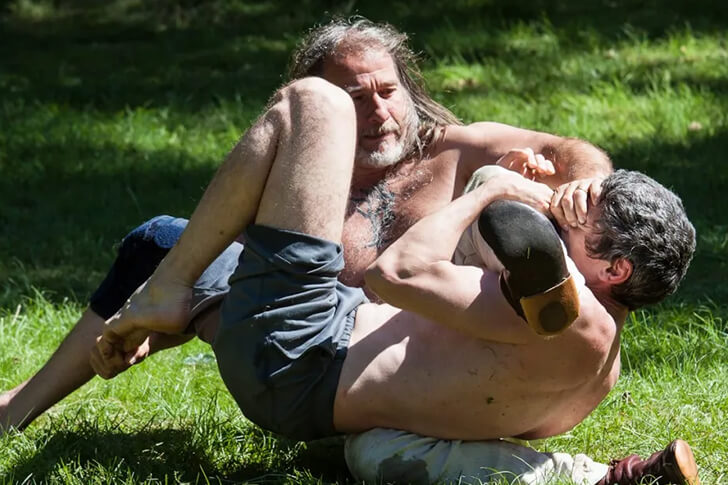
Viking-age wrestling was not friendly. In glíma (fang), certain bouts featured a big, flat stone in the ring. Old Norse sagas describe wrestlers trying to twist, trip, or drive an opponent onto that rock. It was not just a clever way to win, but a high-risk move that could leave someone badly hurt.
The stone was not decoration nor to shape the ring. It was a built-in punishment, testing strength and control. One shove, a clean throw, or lost balance, and the match could end instantly. In the worst cases, consequences went beyond a loss. That intensity was baked into Viking-era rules.
The Viking Board That Beat Chess to the Punch
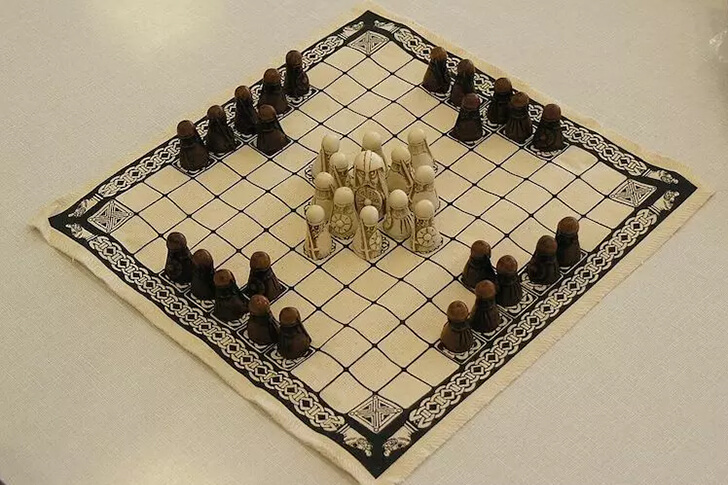
Long before chess became Europe’s “smart person” game, Vikings enjoyed hnefatafl, a strategic showdown. The rules were simple yet intense: one team guarded a king in the center, surrounded by defenders, while attackers with more pieces aimed to entrap and capture the king. Defenders strategized to break the siege and escort the king to safety.
Hnefatafl's authenticity is evident from archaeological finds in Viking graves and settlements across Scandinavia, Ireland, and the Orkney Islands. Boards and pieces made from wood, bone, and ivory highlight the game's widespread popularity. These discoveries confirm that it was a staple of the Viking Age, well before chess took center stage.
The One Viking “Weapon” That Freaked Everyone Out: Berserkers
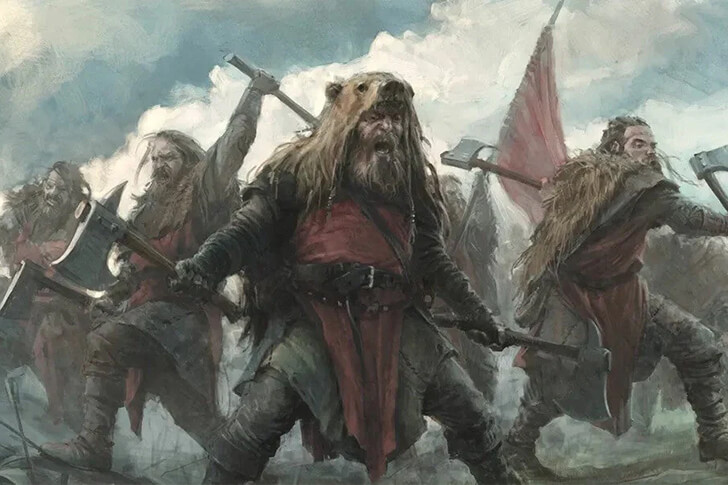
The Vikings had berserkers, and “ordinary soldier” was never the vibe. In Old Norse stories, these fighters slip into berserkergangr, a battle trance powered by raw rage. The descriptions are wild: animal howls, eyes distant, bodies in a frenzy. Some accounts mention foaming at the mouth and shield-chewing as a pre-fight ritual. Then they’d surge forward, loud, fast, and terrifying, like a storm wearing a helmet.
Leaders loved using them up front because nothing cracks an enemy line like fearless maniacs hitting first. Treated as shock troops for rulers like King Harald Fairhair, they smashed openings and caused panic. The sagas claim they barely felt pain, feeding the legend. Literal or not, their reputation rattled opponents and earned respect at home.
The One Viking “Weapon” That Kept Backfiring
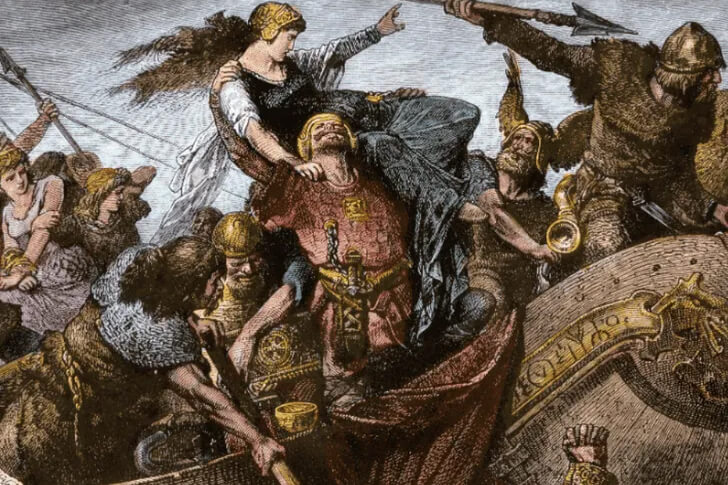
Viking berserkers fought like something had hijacked their brains. The sagas describe this as a meltdown: biting shields, roaring, and locking onto targets with tunnel vision. On the battlefield, that ferocity could be useful. The catch was the rage didn’t always stop. In chaos, a berserker might swing at whoever was nearest, whether enemy or friend.
Once this pattern was undeniable, leaders treated berserkers as liabilities. A warrior unable to discern friend from foe is dangerous and detrimental to a community. By 1015, Norway's Jarl Eiríkr Hákonarson outlawed them, saying the risk wasn’t worth it. Iceland’s Grágás framed berserker rages as crimes. Bit by bit, their role got pushed out of normal life.
The Strange Plant That Might Explain Berserker Rage
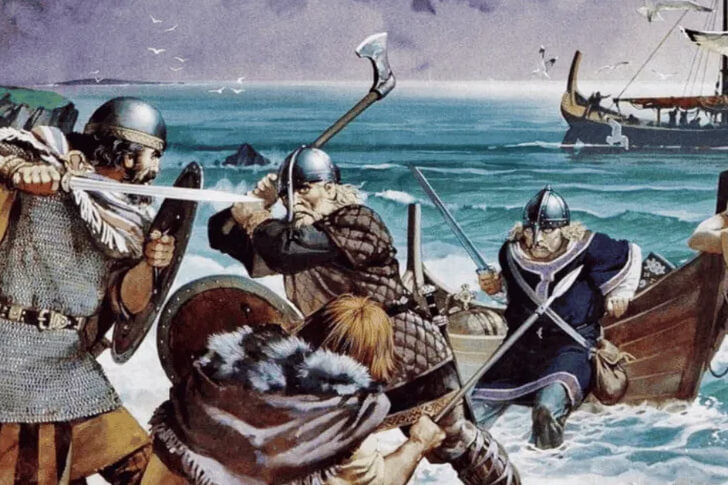
Historians suspect Viking warriors relied on more than adrenaline. The idea is simple yet unsettling: some fighters may have used mind-bending plants to trigger fury. The top candidate is black henbane, a notorious nightshade found in northern Europe. Studies link henbane to aggression, numbness, and confused decision-making. So, it's not just psyching yourself up—it’s your body chemistry hijacked.
This mirrors sagas depicting berserkers as pain-immune wrecking balls. There’s some evidence: archaeologists found henbane seeds at Viking sites in Denmark, dating to 980. While it’s unclear if all berserkers dosed, the plant presents a dark, plausible reason for their legendary battlefield madness.
The One Boat Design That Let Viking Longliners Own the Open Sea
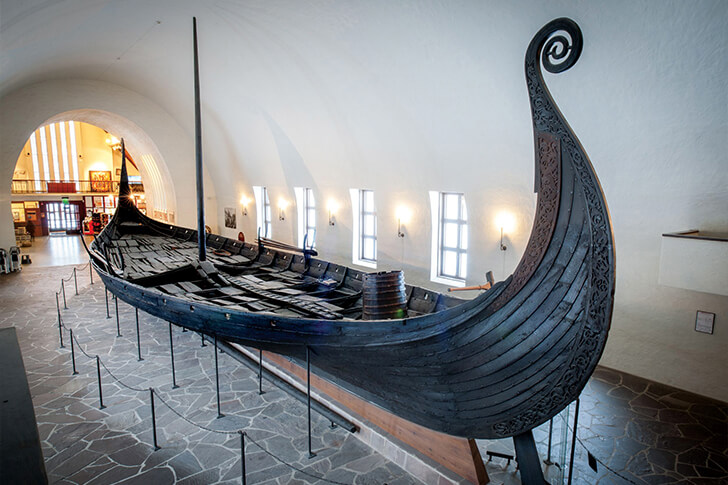
Viking longliners, those long, sleek ships associated with Norse sailors, were the real MVPs of the Viking Age. Built with the clinker method—long oak planks overlapped like roof shingles—they had hulls that were tough yet flexible, allowing them to handle ugly weather, carry serious cargo, and remain dependable on long, open-water runs.
Overlapping planks created seams, and to keep these watertight, shipwrights packed gaps with moss, wool, or animal hair and sealed them with tar or tallow. This practical, albeit messy, method was extremely effective. Combining smart woodwork with solid waterproofing, they were trustworthy workhorses that aided Vikings in reaching Ireland, Greenland, and beyond, whether for raiding, trading, or exploration.
The One Detail That Made Viking Longships Shockingly Quick
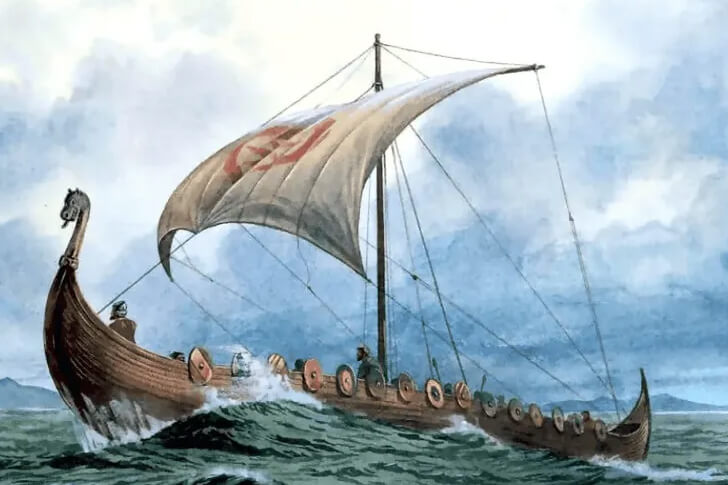
Viking longships were built long, slim, and purposefully mean. They featured a smart two-engine setup, using sails when the wind was favorable and oars otherwise. In typical weather, they cruised at 5 to 10 knots, reaching up to 15 knots with a good breeze — about 17 mph, which is impressive for a medieval wooden ship.
This pace allowed a longship to cover approximately 125 miles in a day under sail. That speed dramatically altered strategies as crews could travel far and hit targets swiftly, leaving little time for resistance. It also enabled longer journeys without waiting for ideal conditions, facilitating raids and expeditions during the Viking Age.
The One Viking Arena Trick That Turned Stallions Into a Horsepower Spectacle
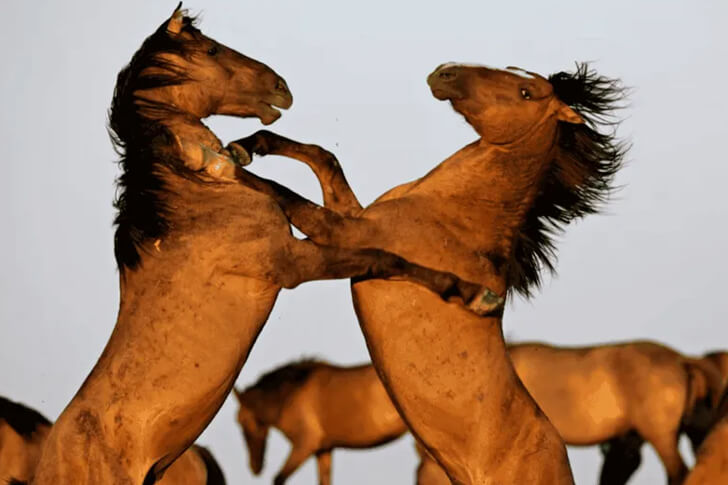
In Viking-age Iceland, people didn’t gather just for stories and feasts; they flocked to hestavíg, a stallion showdown in a ringed arena. From the 10th century, two big horses clashed to see who’s the boss. Pride, bragging rights, and future breeding value were at stake. The sagas capture the crowd's focus as one horse pushed forward and the other backed off.
Handlers stayed active, waving sticks, making noise, and shouting to fuel the clash. Nearby mares heightened the tension, with their presence alone raising aggression levels. Stallions shoved, bit, and struck until one retreated, conceding ground. With no modern rules or safety rails, it was a raw test of strength. It embodied the Viking spirit perfectly: loud, intense, and all about proving the toughest spirit.
The “Viking” Label Sounds Like a Nation, So Why Was It Really More Like a Job Title?
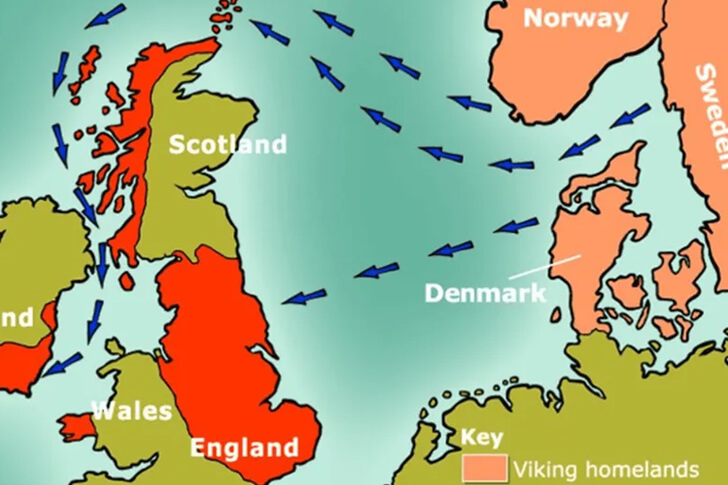
Calling someone a “Viking” can suggest they belonged to one unified people, but that’s not accurate. The term covered Norse communities in present-day Denmark, Norway, and Sweden, separate groups linked by shared traditions and Old Norse, a language influencing Danish, Norwegian, Swedish, Icelandic, and Faroese.
Originally, “Viking” referred to what someone did rather than where they came from, meaning a sea raider, a role, not a nationality. Over time, it became a catch-all for the era and its people. These widely spread groups connected through shared ancestry, customs, and language, spreading from home ports to distant shores.
The Axe-Wielding Secret That Kept a Byzantine Emperor Safe
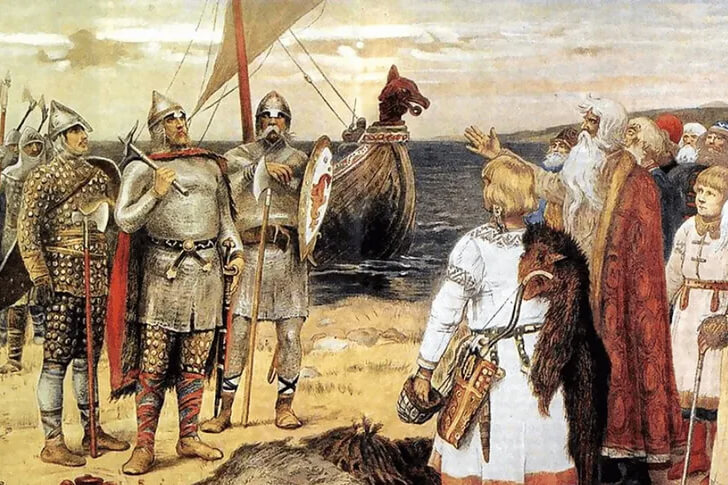
When a Byzantine leader needed protection, he turned to the north, enlisting the Varangians, Norse warriors famed for strength and loyalty. The Varangian Guard was formally established under Basil in 988 through an arrangement with Prince Vladimir of Kyiv, who dispatched troops amid a civil strife. In exchange, the empire acquired a security force with a formidable reputation.
In Constantinople, they served beyond ceremonial roles. These guards protected the emperor in peacetime, joined him in campaigns, and acted decisively in emergencies. Their greatest asset was their social detachment. With no local ties, they sidestepped court intrigue and corruption. In a political landscape fraught with danger, their outsider status was invaluable.
The Louvre’s Weirdest Origin Story Starts With a Viking-Proof Fortress
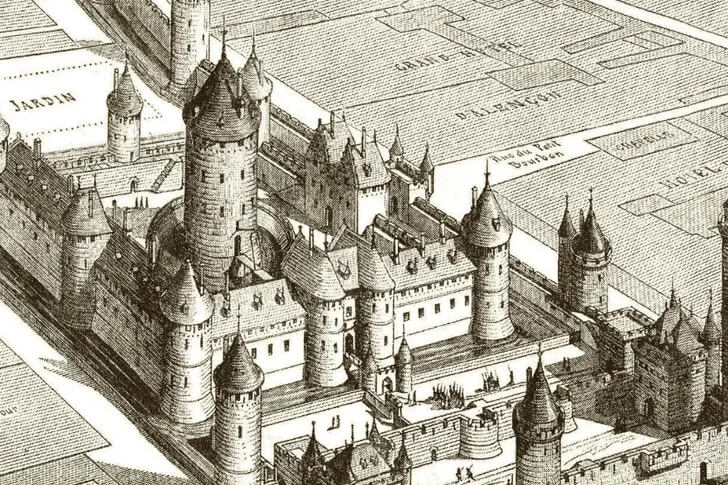
Long before anyone lined up to glimpse a certain famous smile, this site was a medieval emergency measure. In 1190, Philip Augustus ordered a fortress on the Seine’s right bank to protect Paris from Viking threats. Norse raiders had long exploited the river, and the siege of 885–886 revealed their reach. The strategy was simple: build a massive structure, keep watch on the water, and deter enemy advances.
The initial fortress emphasized defense over grandeur. Imagine thick stone walls, sturdy towers, and a moat fed by the Seine, designed to slow attackers and safeguard the city's western side. No royal quarters or art—just a stronghold ready to withstand attacks. Surprisingly, those medieval foundations still exist under today's galleries and staircases, like an armored past hidden in plain sight.
The Viking Hair Myth Falls Apart Once You Look at This Evidence

Let’s ditch the Hollywood cheat code where every Viking shows up looking like a shampoo commercial. The real story is way more varied, and honestly, more fun. Research on ancient remains, along with DNA clues, points to a whole mix of natural hair colors in the Viking Age: blond, brown, red, and darker shades too. In plenty of places, the “default” was probably brown or red more often than the poster blond.
Finds from Scandinavia even suggest lighter hair popped up more in parts of northern Sweden, while western Scandinavia skewed redder. And sure, some people likely brightened their hair with soap or sun, chasing looks linked to beauty ideals and gods like Thor.
The Surprising “Thing” That Made Viking Justice Work
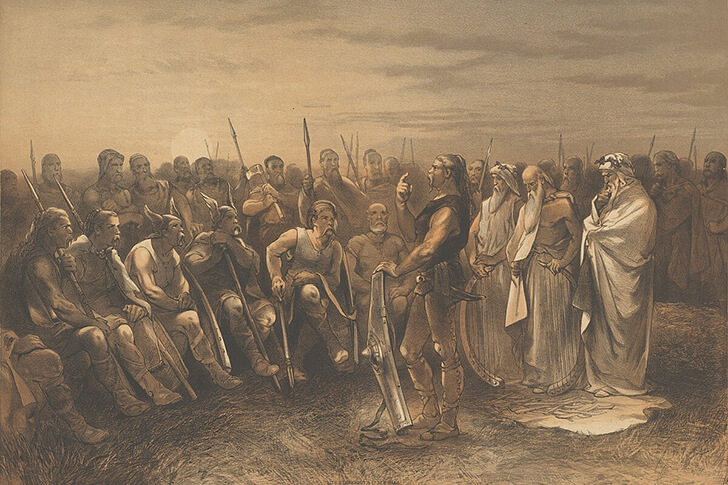
In Viking lands, justice was public at the Thing, a community assembly named from Old Norse þing, meaning “gathering.” Free men met at set times and places to resolve disputes and decide on community matters, whether property arguments or ethical questions. Complaints were aired openly before neighbors who had opinions and memories.
The complainant presented their case, with witnesses supporting or challenging it as the crowd observed. The lawspeaker, akin to a living rulebook, recited laws from memory. Free men didn't just decide outcomes; they helped shape rules. The Thing was a multi-functional powerhouse: courtroom, council, and forum, all transparently executing justice.