
From resale search graphs to fabric codes to delivery ETA screenshots, these are the digital tells I trust before I buy in.
I trust resale search spikes more than runway recap videos
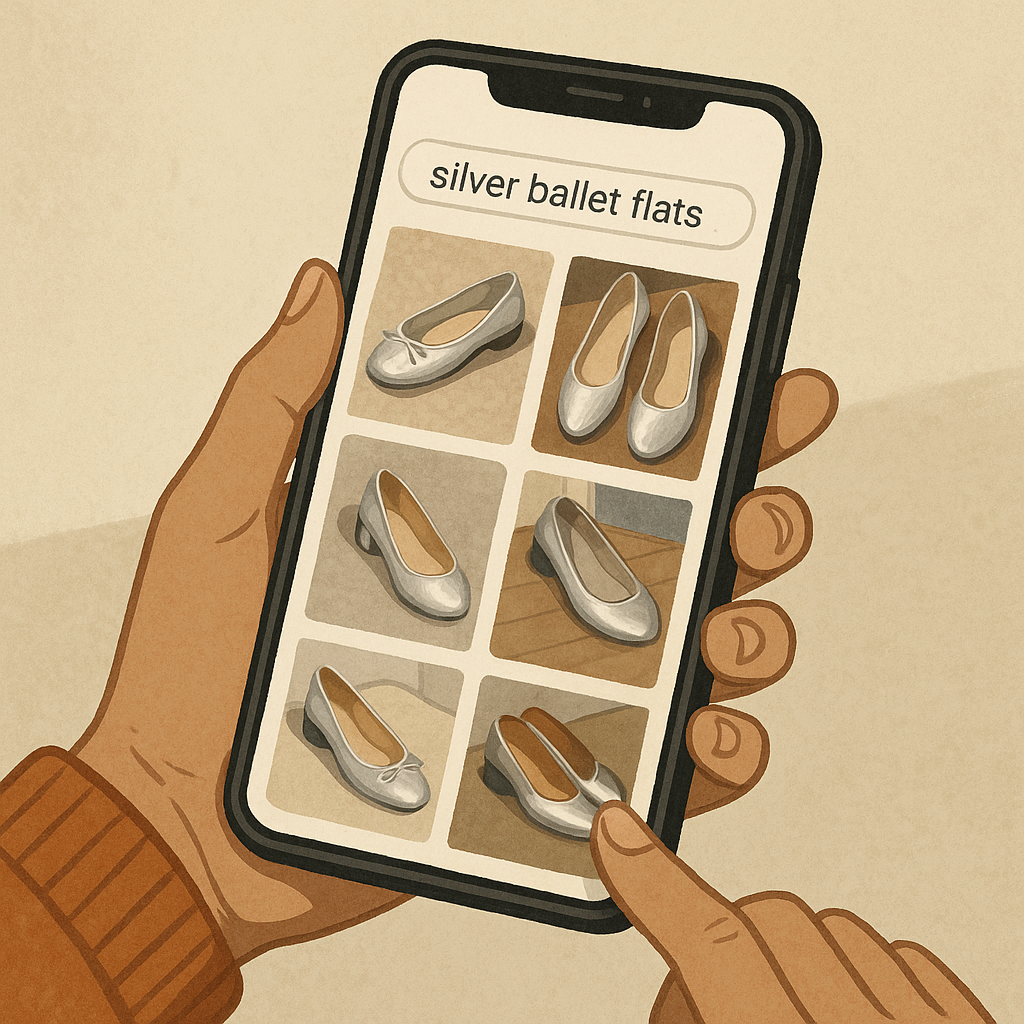
When I'm trying to figure out whether something's about to blow up or just getting a loud week on TikTok, I open a resale app and watch what the search bar is begging people to type. Not listings. Not the curated "editor's picks." Searches. On Depop and Poshmark, you can feel the difference between a trend that has actual legs (people hunting specific brands, specific words, and specific colors) and a trend that only exists as a styling prompt.
My tell is when the search terms get oddly specific. "Silver ballet flats" is a vibe. "Tabi flats" is a commitment. Same with bags: "red shoulder bag" is broad, but "Coach Soho" or "Balenciaga City" means people are already reverse-engineering the exact object. When I see that specificity rise, I do two things: I check sold comps to see if the prices are inching up, and I look at the listing photos to see what people are pairing it with in real life (bathroom mirror lighting, messy bedroom, no pro styling). That combo is how you spot the silhouette shift early, before every brand floods the market with lookalikes.
One practical move: set a few saved searches that are about shape, not brand. "cap-toe slingback," "longline vest," "micro hoop," "barn jacket." If those start surfacing a ton of unrelated labels all using the same keyword, it means the market is responding, not just one influencer. I also pay attention to the misspellings. If people are typing "ballerina flats" when they mean ballet flats, it tells you the trend has jumped past insiders and into regular shoppers who don't care what it's called. That's when I stop browsing and start deciding whether it fits my closet, because the pricing window doesn't stay friendly for long.
Barcode pics and fabric codes: the boring screenshots that matter
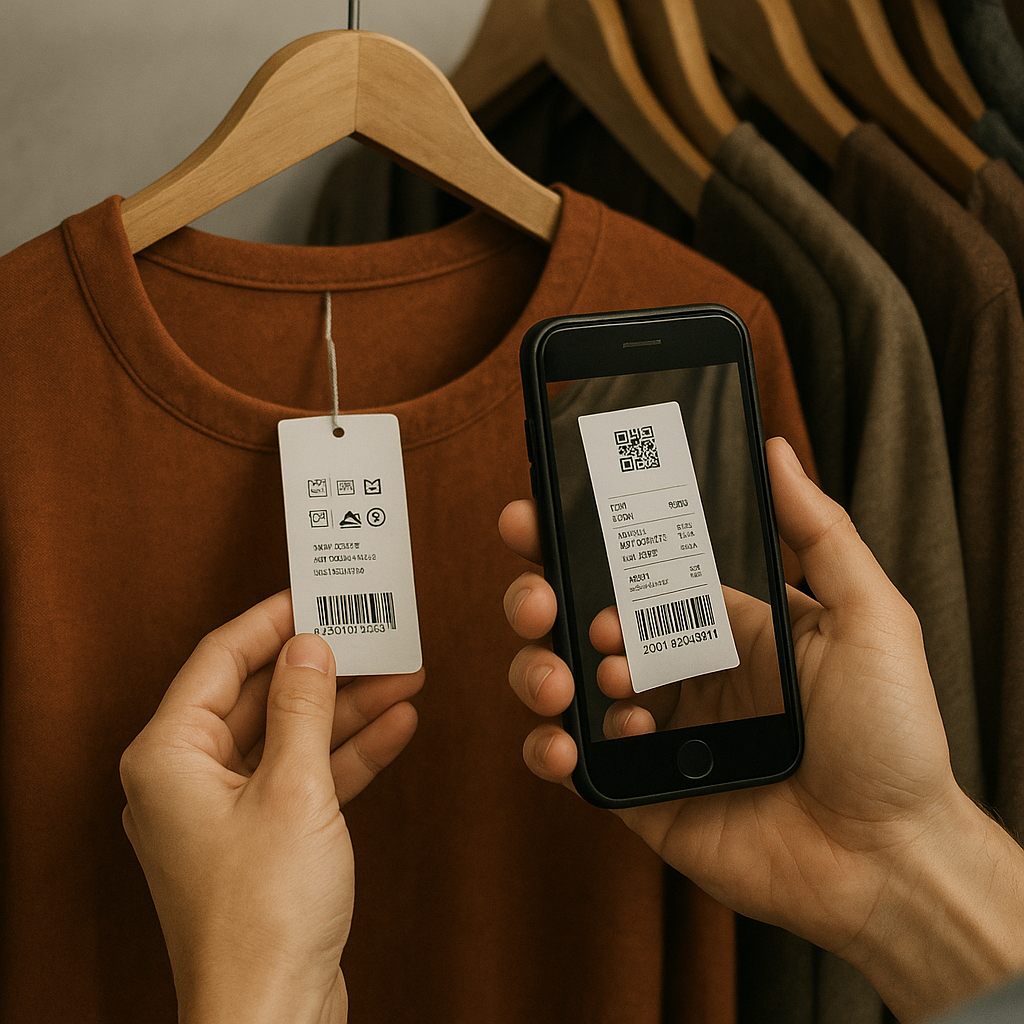
I have a camera roll album called "tags" that makes me look like the least fun person alive, and it has saved me from buying into a trend at the wrong moment. If I'm in a store (or even just zooming product photos online), I want the boring information: fiber content, style number, and any internal code that helps me track the exact item later. Brands recycle names constantly. "The Riley trouser" tells you nothing. A style code you can paste into search, or a UPC/barcode you can scan, tells you everything.
Here is what I do in the moment: I take one clean photo of the full item on the rack (so I remember the silhouette), then one photo of the hangtag with the fiber content and care symbols. If there's a QR code that pulls up the product page, I tap it and screenshot the page that shows the material breakdown and the color name. Color naming is a trend signal all on its own. When multiple unrelated brands start using the same weirdly specific color language ("tomato red" instead of "red," "stone" instead of "beige"), it usually means a shared supplier palette is in motion.
Later, at home, I use those codes like little tracking devices. I plug the style number into search to see how many secondhand listings already exist and how fast they're moving. Then I compare fiber content across lookalikes. If the trend is "sheer" anything, I want to see if it's nylon mesh, polyester chiffon, or silk organza, because the drape and durability are completely different. If the trend is "buttery" knits, I'm checking whether it's viscose-heavy (feels great, can bag out) or a tighter blend that holds shape. This isn't about being precious. It's about predicting whether a piece will survive the third wear without turning into a stretched-out reminder that I bought the idea of the trend, not the thing itself.
The delivery-ETA screenshot test for overhyped drops
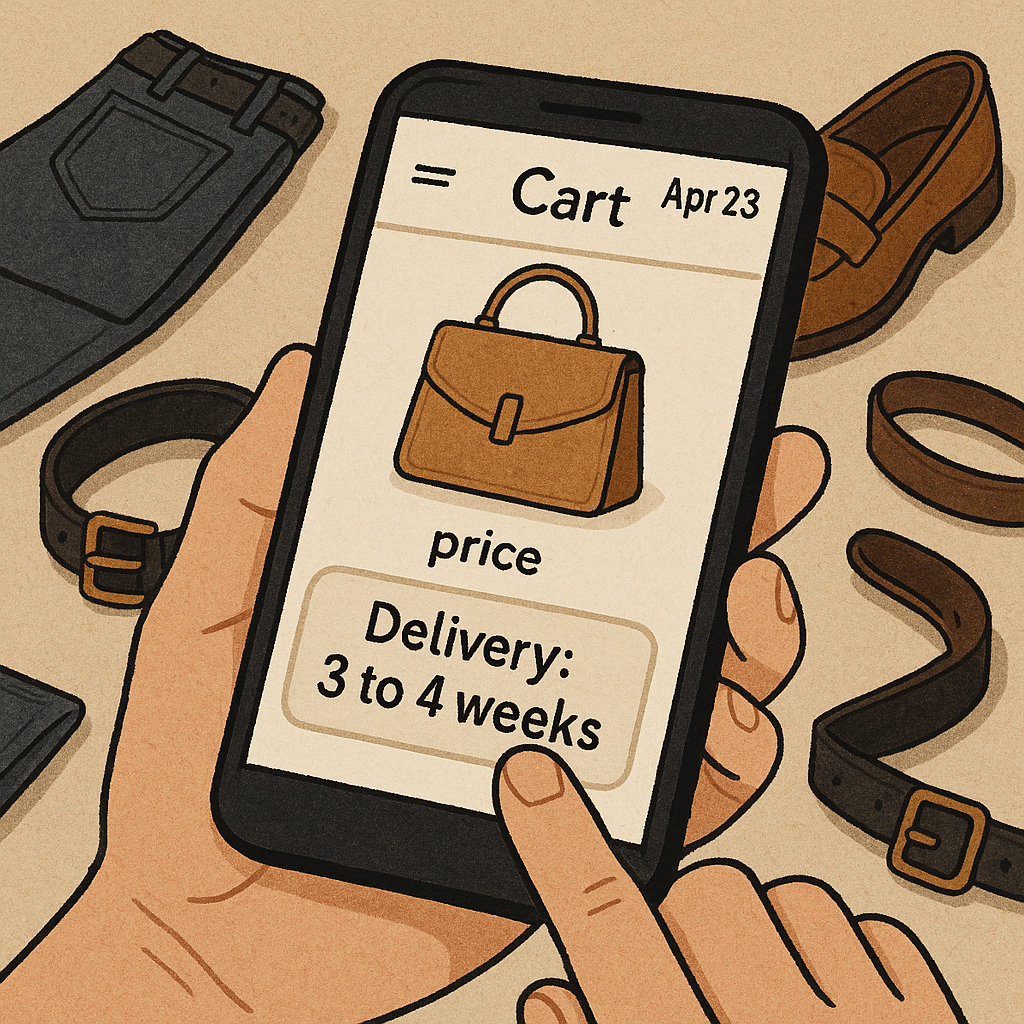
If you want a very unglamorous way to spot what brands think will sell, stop watching the drop countdowns and look at the shipping estimates. I learned this the hard way the year everyone decided they needed the same low-slung bag. The "it" versions were perpetually backordered, but the interesting part was what else started slipping into long ETAs at the same time: hardware-heavy belts, certain shoe colors, specific denim washes. The cart pages were telling me where demand was piling up, even when the marketing was still shouting about something else.
My method is simple and a little nerdy. When a trend item is in my orbit, I build a tiny watchlist across three kinds of retailers: one big multi-brand site, one brand-direct site, and one resale marketplace. I don't check out, I just get far enough to see the delivery window and I screenshot it with the date visible. Then I do the same thing a week later. If the ETA swings from "2 to 3 days" to "3 to 4 weeks" across multiple places, that is not a fluke. It usually means stock is getting absorbed faster than replenishment can land.
There's a second layer that matters even more for style predictions: preorders. When brands start casually offering preorders on a category that used to be stocked normally (say, a particular kind of loafer, or a specific jacket shape), it means they expect sustained demand but don't want to guess wrong on inventory. That's a trend with a longer tail. A one-week sellout with immediate restocks is often just hype. A slow creep into preorders, staggered ship dates, and limited color runs is where I pay attention.
And yes, this helps with your timing. If the ETA keeps stretching, I either buy secondhand while the early adopters are still reselling in panic, or I wait until the knock-on versions show up everywhere and prices settle. The screenshot trail keeps me honest, especially when my feed is trying to convince me that I need something today that the logistics data is already treating like next month.