
Three tells: caption language, comment-section sizing, and the link-in-bio brand shuffle.
Caption language beats the outfit photo
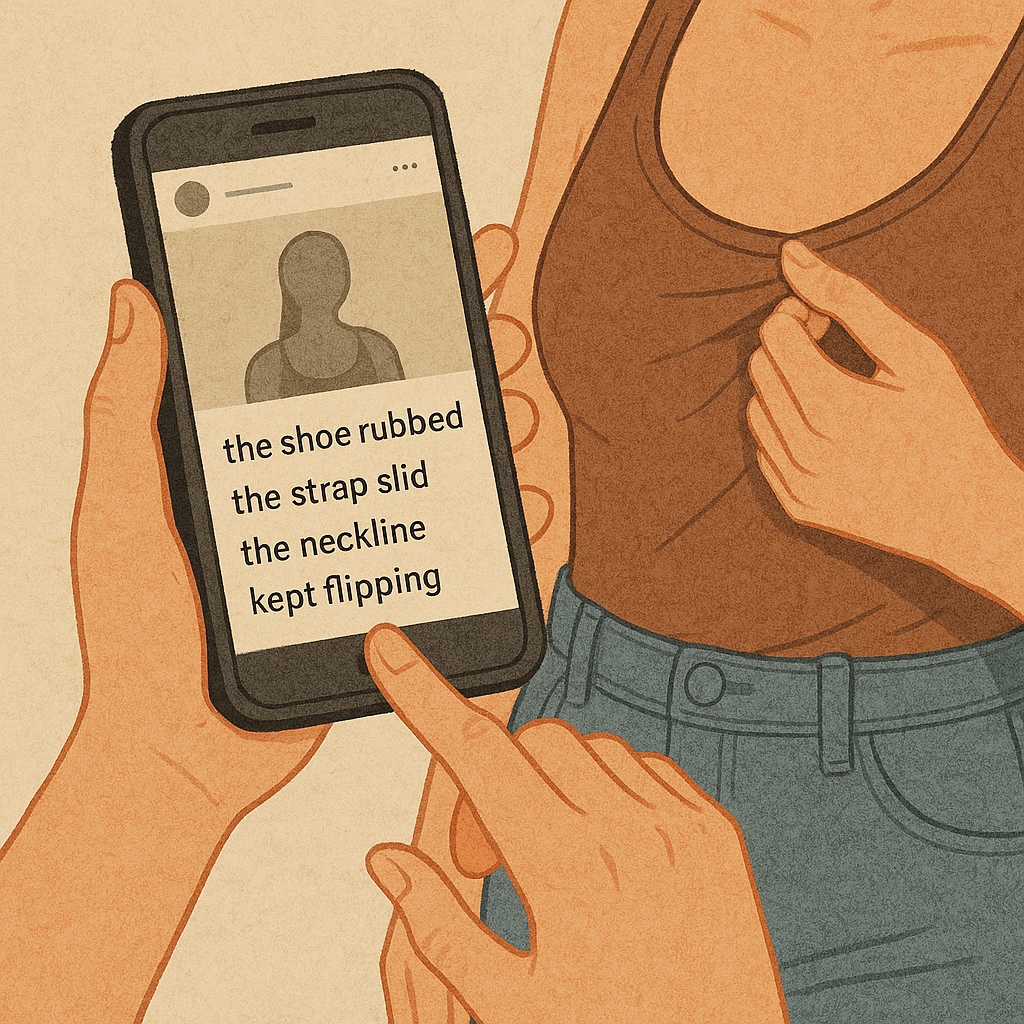
I don't try to predict trends by squinting at a grid of pretty outfits. I read captions like I'm looking for a leak. Micro-creators are the first ones to admit the unglamorous part: the shoe rubbed, the strap slid, the fabric got shiny at the thighs, the neckline kept flipping. When the language shifts from "cute" to wear-notes, it usually means they have repetition, not a one-off. You can fake a photo once. It's harder to fake three weeks of living in the same silhouette.
Here's what I look for in the words, not the visuals: creators start naming the same practical detail in different ways. One says "I can sit cross-legged in these," another says "no waistband drama after lunch," another says "I wore it on a flight and didn't change." That cluster is the tell. It signals the piece has moved from content prop to default uniform, and uniforms spread fast because they solve a boring problem.
I keep a running note in my phone with a few recurring phrases and the exact item tied to them (not just "wide-leg jeans" but "mid-rise, longer inseam, puddle hem with low-profile sneakers"). If the same wear-note shows up across different cities and totally different personal styles, I treat it like a weather report. The outfits will vary. The repeated complaint it fixes won't.
One more thing: watch for the first time a creator references care. "Cold wash and hang" or "steamed it twice this week" isn't sexy, but it's proof they own it and are trying to keep it in rotation. When the care talk arrives, the trend is already forming under the surface.
The comment section is a sizing and comfort lab
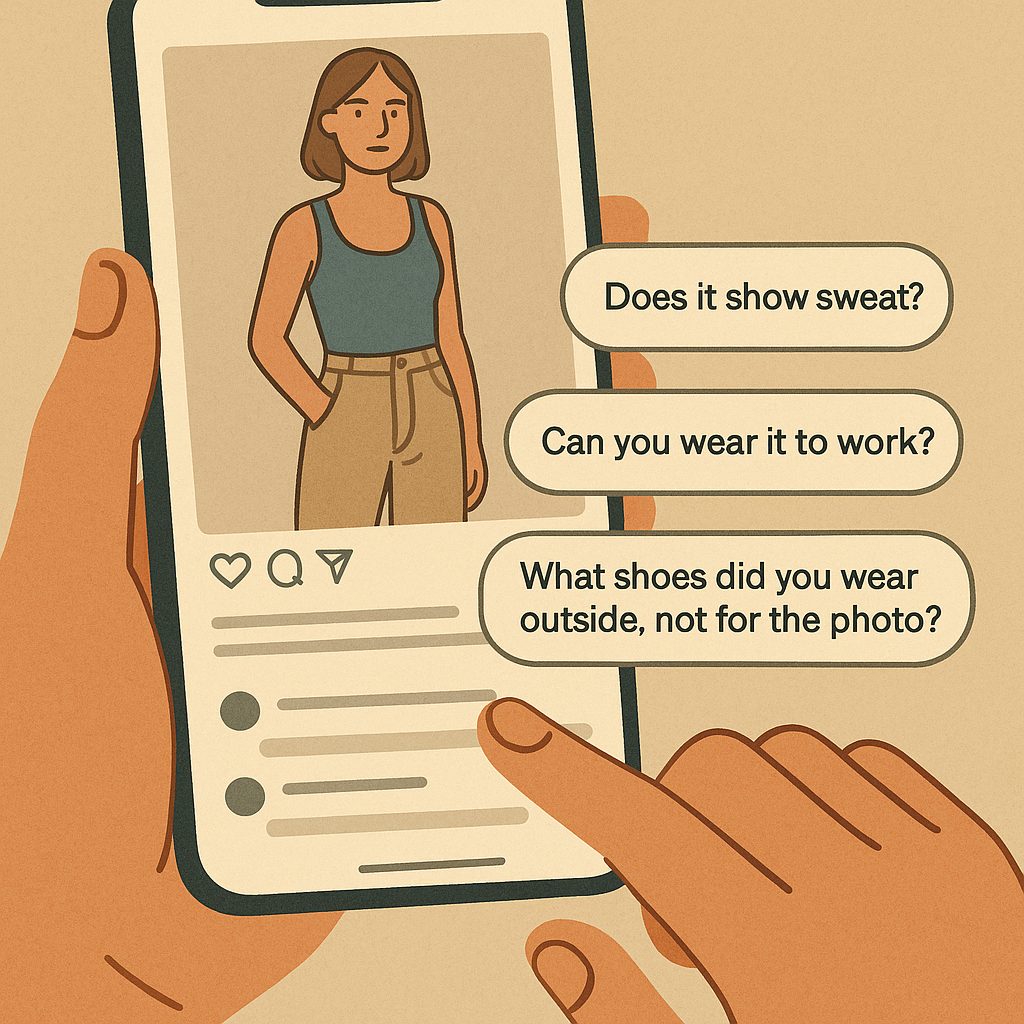
The fastest way to tell whether something's about to hop from niche to normal is to stop looking at the creator and start looking at the strangers asking questions. Micro-influencers get the most useful comments because their audience still expects an answer. Big accounts can drop a fit pic and vanish. Smaller ones will reply with inseam, bra type, and whether the fabric clings after walking three blocks.
I scroll until I see a pattern in what people are nervous about. Early on, it's usually: "Does it show sweat?" "Can you wear it to work?" "What shoes did you wear outside, not for the photo?" Later, once the trend's already everywhere, the comments turn into shopping links and fire emojis. That's too late. The sweet spot is when the questions are practical and a little skeptical.
My favorite tells are the ones that sound mundane: pocket questions (means people want it for daily life), bra questions (means the neckline or back is unusual enough to require planning), and height/inseam threads (means the proportion is the point of the look, not just the color). When you see a creator reply with specifics like "I'm 5'6" and this is the regular length" or "wearing a Wacoal strapless because the straps sit wide," you're watching a trend become a system that other people can copy.
Also, check whether the creator pins a comment about fit. Pinning is a tiny move, but it changes the post from inspiration to reference. If they're pinning "size down for the waist" or "order your usual, it stretches out by hour two," they know the item will be searched and revisited. That's a strong signal the look is about to repeat across feeds, and not just as one person's signature.
Link-in-bio churn tells you what's rising (and what's fading)
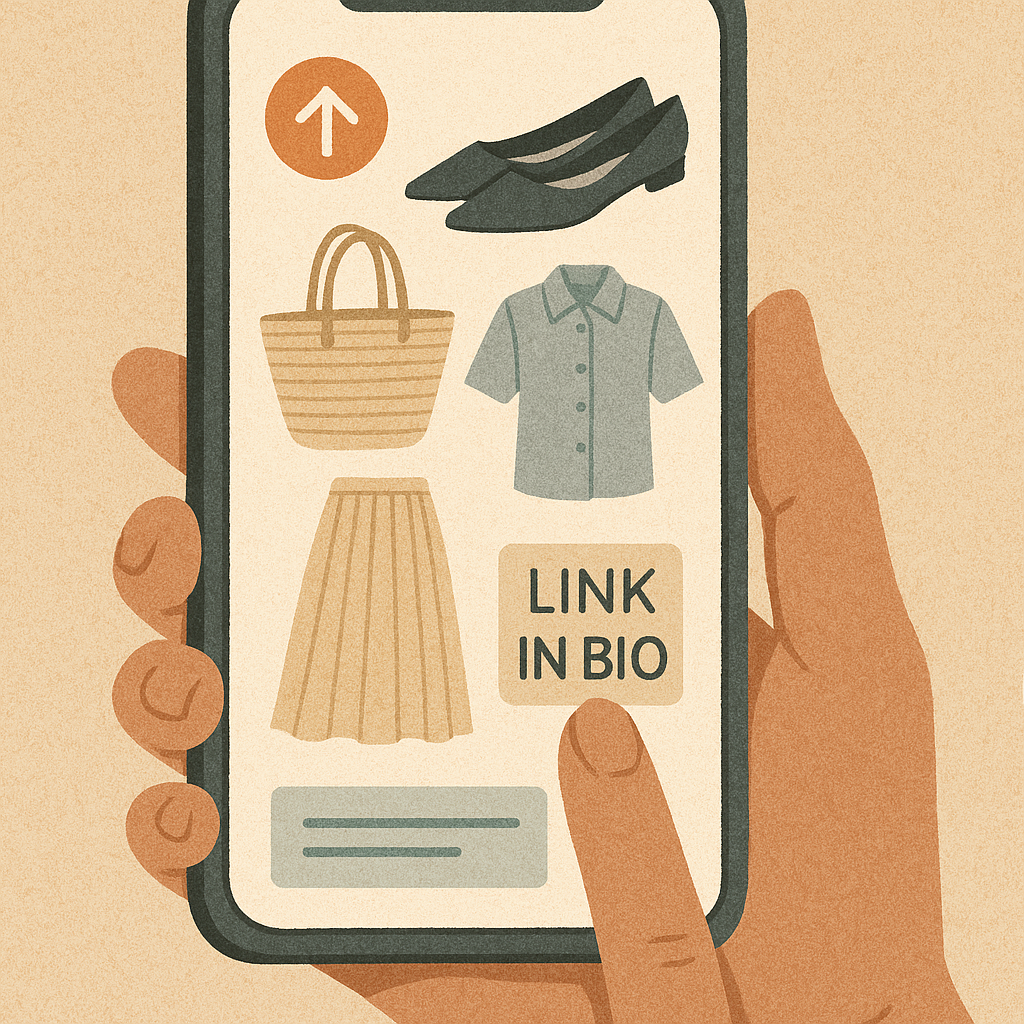
I know it's tempting to treat link-in-bio as pure shopping noise, but for micro-creators it functions like a personal stock ticker. They don't have a giant team. If they keep updating a ShopMy shelf or LTK folder, it's because people keep asking for the same thing, and the creator wants fewer DMs that start with "where is this from." That repetitive demand is the signal.
Here's how I track it without turning my life into a spreadsheet. I pick a handful of creators whose style I understand (not necessarily my style, just consistent), and I check their linked lists once a week for two minutes. I'm not hunting for discount codes. I'm looking for churn: what gets moved to the top, what disappears, and what suddenly gets grouped into a new category.
- Moved to the top: usually means it converts. If a specific shoe model sits in the top three spots for weeks, it's not a one-time styling trick. It's a workhorse that makes a silhouette feel current.
- Disappears quietly: that's the fade before the feed admits it. When a trendy bag vanishes from the link list, it's often because returns, quality complaints, or "doesn't fit my stuff" DMs piled up.
- New group label: this is the earliest. When someone creates a fresh section like "longer shorts" or "sheer layers" (instead of dumping everything into "summer"), they're naming a shape that's about to repeat.
I also pay attention to when they stop linking a specific retailer and start linking a product type across brands, like "mesh flat" rather than one exact SKU. That shift usually happens when the look has crossed from one brand moment into a wider market pattern. It's not about copying their cart. It's about noticing when their audience has started building the same outfit in different price lanes, which is how a trend stops being a niche and becomes a season.