
Three runway-to-resale signals I use to spot when an old silhouette is about to come back with a new name.
Minaudieres are the first whisper, not the main event
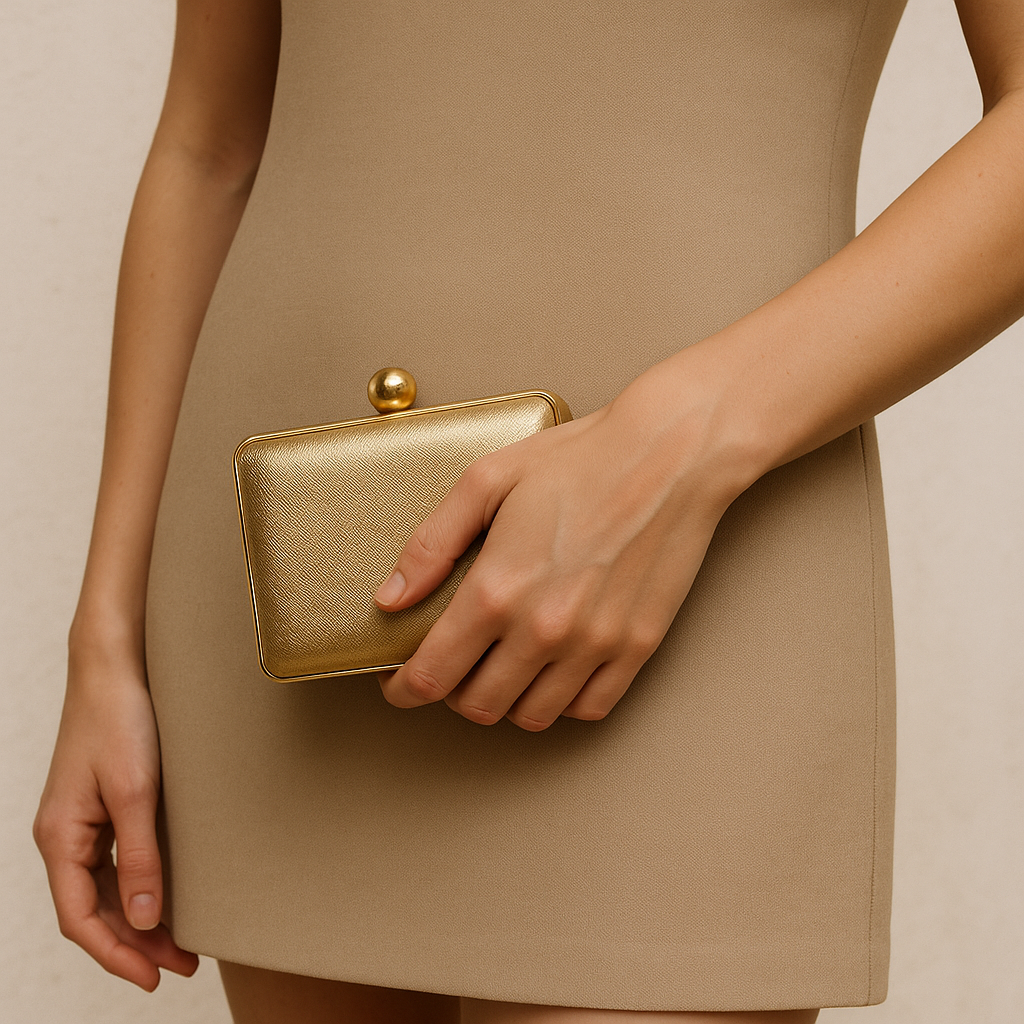
When I start seeing minaudieres pop back up, I stop thinking about bags and start thinking about hands. A hard-case clutch forces you to carry your stuff like it's precious, which sounds dramatic, but it changes your posture and your whole outfit math. You can't do the modern, hands-free uniform (crossbody plus giant coat plus phone on a lanyard) with a little metal box in your palm. That constraint is exactly why it works as an early signal. In the late 1920s, the evening bag wasn't just an accessory, it matched the new idea of going out light: shorter hems, looser shape, more movement. The bag was small because you were not hauling your day around with you.
Here's what I do in the wild: I check resale listings and runway photos for the same three tells. First, hard edges. Not just small, but structured. Think frame clutches, box bags, anything that looks like it could survive a crowded bar. Second, the closure. If the closure is a kiss-lock, a clasp, or a snap that you can hear, I'm paying attention. Third, the handle situation. A chain that can be tucked inside is a very specific choice, and it usually shows up right before designers start pushing bare arms, dropped waists, and more skin at the shoulder.
Practically, minaudieres don't become your daily bag (unless you're committed to living with lip balm, a card, and spite). But they show up at the same moment as longer earrings, shinier satin, and shoes that aren't built for sprinting. That's the cycle: the small bag arrives, then the clothes get simpler and more graphic so the little object reads like a jewel. If you're trying to spot the shift early, don't chase the exact bag. Watch who is styling it with a straight, almost boyish line through the torso. That's when the 1920s echo is getting loud.
Capes are the 1890s coming back through a modern doorway
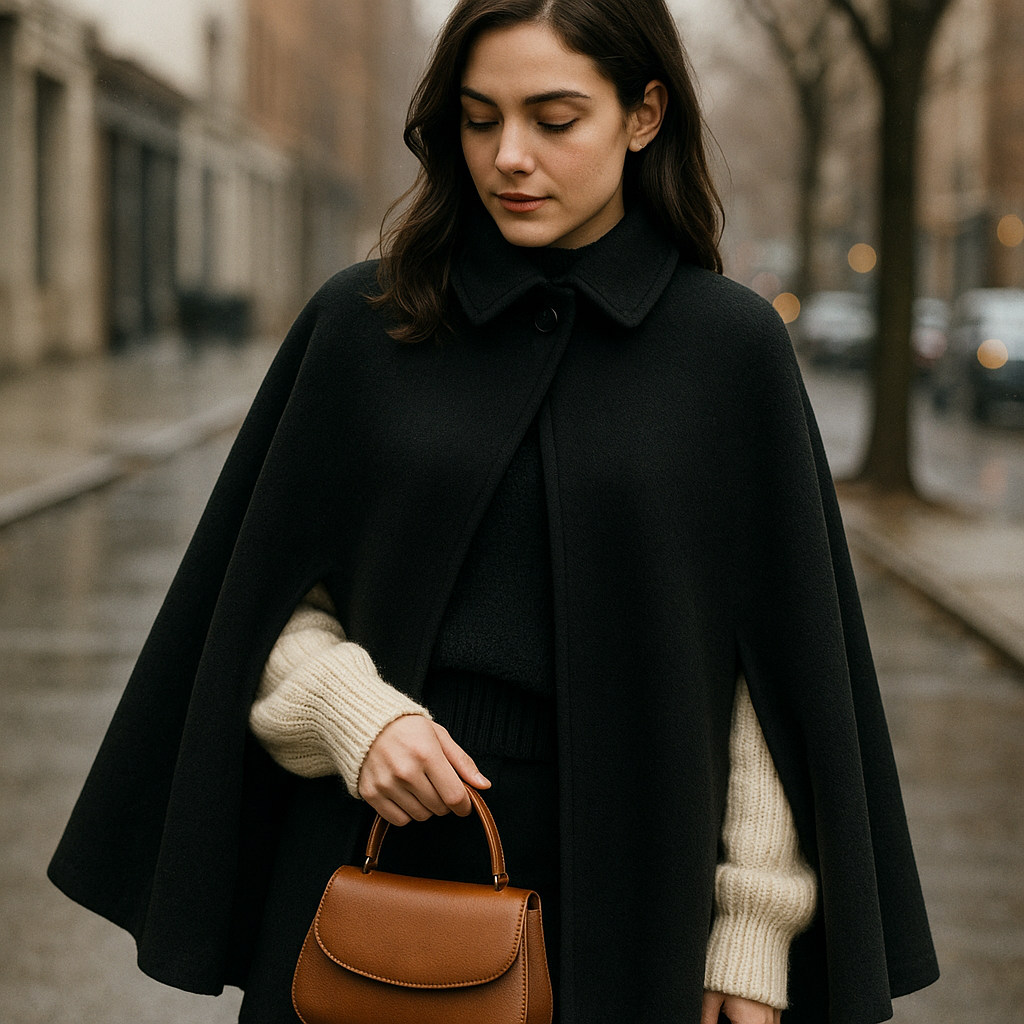
I used to roll my eyes at capes because they feel like costume-adjacent until you try one in real weather and realize: it solves a very current problem. We keep buying chunky sleeves, big cuffs, and knitwear that won't fit under a normal coat without turning your arms into sausages. A cape doesn't fight the sweater. It just goes over it. That functional little truth is why capes tend to reappear right when silhouettes start getting weird at the shoulder.
If you want the history hook, the line I'm seeing isn't medieval. It's late 1890s through early 1900s: dramatic collars, a lot happening around the neck, and that swishy, protective layer over the torso while the outfit underneath is doing its own structured thing. Back then it was tied up with propriety and travel and the look of being out in the world. Now it shows up as "I want something striking, but I still need to sit in a rideshare."
My hands-on check is boring and ruthless. I look at where the opening sits and what the collar does. A cape that closes at the throat and then hangs clean is a different animal from the ones with arm slits and belt loops trying to behave like a coat. If the piece has proper weight (wool blend, felted knit, or a lined woven that doesn't flutter like a shower curtain), you get that old-school swing when you turn. If it's too light, it reads like a blanket and you will hate it by hour two.
One more sign the cycle is heating up: how people style bags with it. When capes come back in a serious way, you start seeing small top-handle bags and short straps again because a shoulder bag fights the drape. The moment a cape forces the accessories to change, you're not in a one-off trend anymore. You're watching the old outerwear story re-enter the closet through a modern need: sleeves got bigger, and the coat had to evolve.
Watch the waistline: drop, float, then snap back
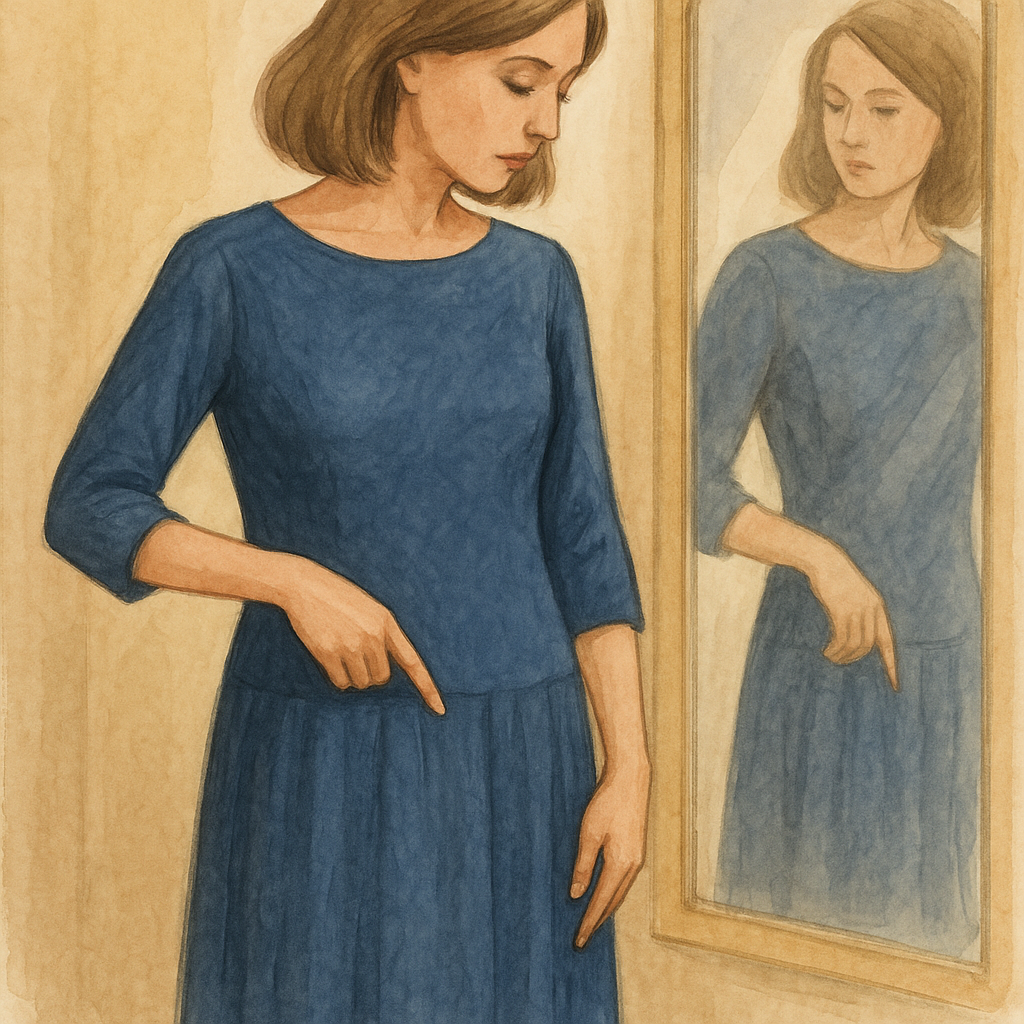
If you only track one historical fashion cycle, make it the waistline. It swings like a pendulum, and you can spot it without reading a single trend report. I notice it first in dresses and jackets, then in how people start wearing belts, and finally in the way brands cut their knits. The pattern is familiar: the waist drops (1920s), then it floats in a vague, long line (a lot of 1930s and 1970s interpretations do this), and then it snaps back up and gets defined (think post-war 1950s, and then again in late-80s power tailoring). The details change, but the body map repeats.
My practical method is a dressing-room trick I learned because I've wasted money on pieces that look cute on a hanger and wrong on me. I put the garment on and then I do two checks in the mirror, one from the front and one from the side. From the front, I look at where the seam or shaping hits in relation to my elbows. If the strongest shaping point is closer to my hip bones than my natural waist, it will read as a dropped-waist story even if the tag calls it something else. From the side, I look at whether the fabric collapses under the bust and then hangs straight. If it does, you're in that 1920s to 1930s long-torso zone.
This is where the accessory world gives you the early warning. When the waist starts drifting down, shoes get sleeker and bags get smaller because the outfit is trying to look like one clean column. When the waist snaps back up, you suddenly see more belts, sharper lapels, and jewelry that clusters near the face or at the wrist because the body is being segmented again. It's not mystical. It's styling physics: where you draw attention is where the outfit is asking for structure.
If you want to shop this cycle without buying into a full costume moment, aim for one piece that makes the waist placement obvious. A dress with a clearly lowered seam, or a jacket with a strong high button stance. Those are the pieces that tell you where the next six months are headed before the mass-market names catch up and rename it like it's brand new.