
Three on-the-ground tells I watch: transit shoes, pocket hardware, and the bag-to-coat handshake.
The commute shoe tells you the truth
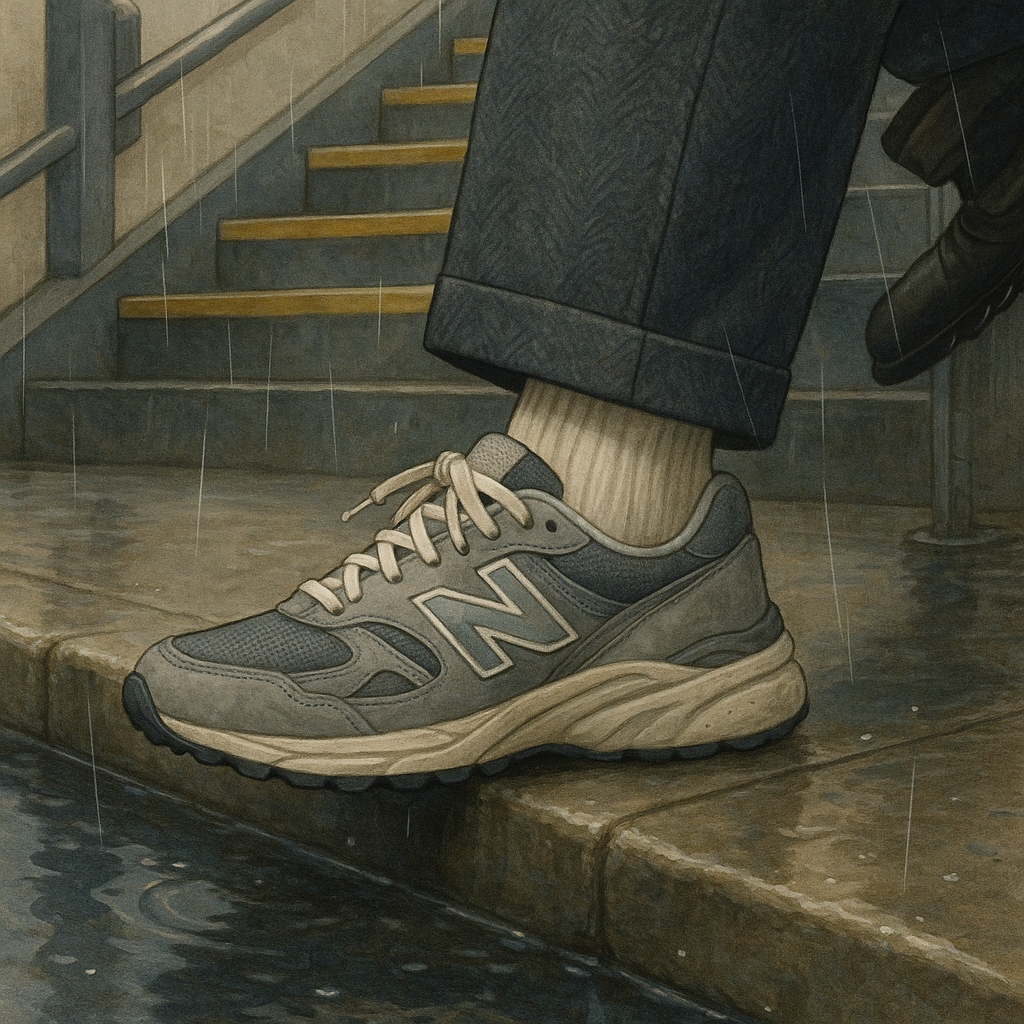
I don't mean the cute shoe someone photographs once they arrive. I mean the shoe that survives the first ten minutes of a day: the station stairs, the wet curb, the sprint for a light, the wobble on a bus that brakes like it hates you. That shoe changes first, and then the rest of the look follows.
When I travel, I do the same little scan in three places: the morning line at a coffee counter, the entrance to a grocery store, and whatever the local version of a packed platform is. In some cities, the uniform is still a chunky running shoe (New Balance 990s, ASICS Gel-Kayano, Saucony), worn like armor under trousers that are cut to clear the heel. In others, the tide is swinging back toward sleeker silhouettes that read closer to a court sneaker, but with upgraded insoles because nobody's doing blisters for the feed anymore. The in-between phase is the interesting one: you'll see people keeping the comfortable shoe but shifting the pant break and sock height to make it look intentional, not accidental.
Two details I pay attention to, because they're hard to fake if you haven't lived there: outsole and weather strategy. A city with surprise rain breeds a quiet obsession with tread, even on "nice" shoes. You'll see lugged soles sneaking under wool trousers, and you start spotting brands like Blundstone and Salomon in places they would've looked costume-y a few years ago. A dry, walkable place tends to produce cleaner uppers and lighter colors, because people aren't mentally budgeting for puddles.
If you're trying to spot a regional innovation early, ignore the loud microtrend and look for the compromise: the shoe that says, "I want to look sharp, but I'm not changing on arrival." Once that compromise catches, the jackets, bags, and hemlines start bending around it. That's when you know it isn't just an outfit. It's a local solution.
Pocket hardware is the quiet regional signature
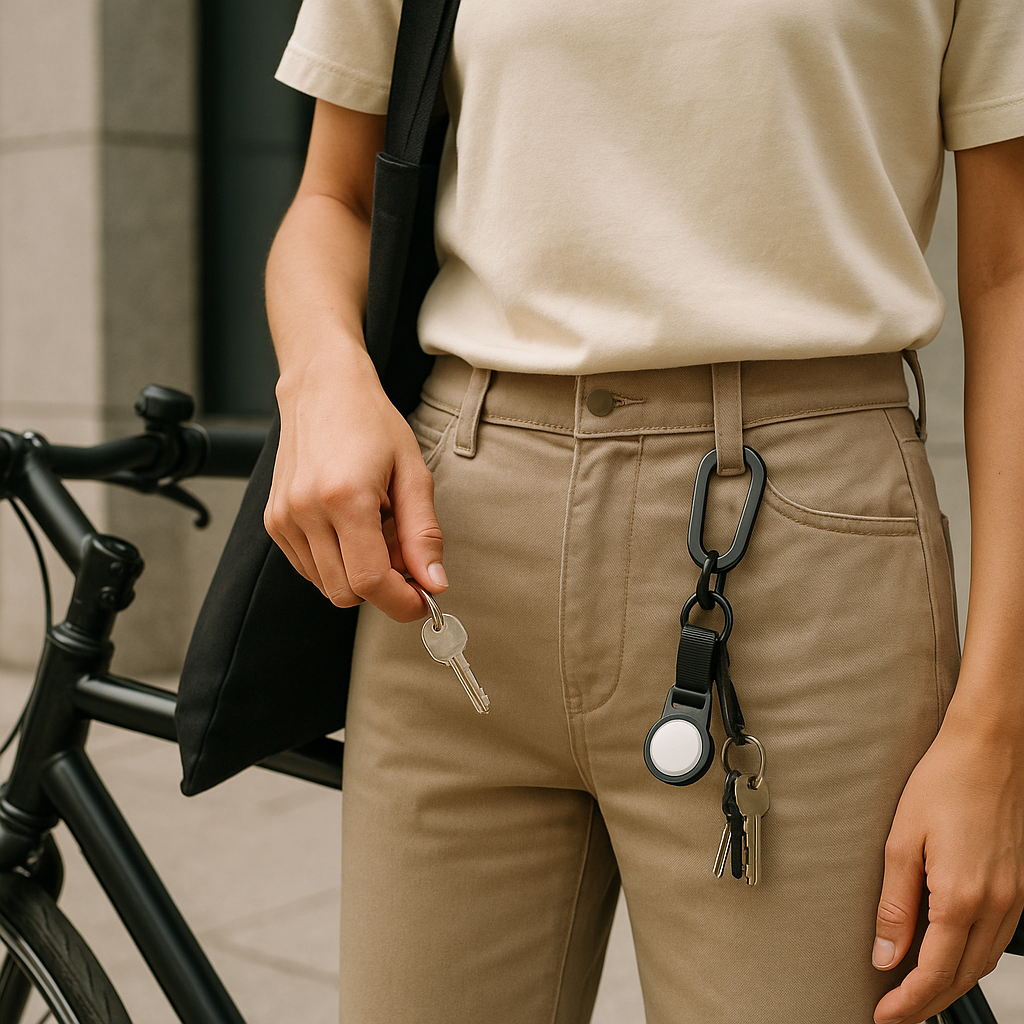
This is my favorite tell because it's so unglamorous that nobody bothers to perform it. Watch what happens at the exact moment someone needs their hands: unlocking a bike, tapping into transit, opening a lobby door while juggling a tote, scanning into a co-working space. The little bits of metal and nylon around that moment are where regional style gets invented, because the solution has to work before it looks good.
In some places, everyone has migrated to a carabiner setup, clipped to a belt loop or a bag strap, and it's not the camping-store version. It's a sleeker, flatter clip, often matte, sometimes paired with a short paracord loop so the keys sit in the same spot every time. In other places, it's all about the lanyard, but not the tourist lanyard. It's the trimmed-down kind: a narrow strap, a small swivel clasp, and a card sleeve that doesn't swing like a pendulum when you walk. When you start seeing that same hardware across different ages and aesthetics, you can bet it's about the city, not the person.
The brand cues get weirdly specific here. I keep noticing Apple AirTag key rings (the leather one, the silicone one, the third-party one) showing up as the hinge piece in people's systems. If the AirTag is present, it changes the size of the key bundle and, by extension, the type of clip that makes sense. That trickles into bag choices. A tiny crossbody becomes less necessary when your keys are easy to grab and you can go back to a roomy tote. A structured mini bag suddenly feels less practical if you're constantly fishing for a dangling fob.
Here's the part that makes it a Style Alerts kind of observation instead of a life-hack list: the hardware starts influencing silhouettes. I have watched a whole crowd of people wearing relaxed trousers and minimal tops, but the point of visual interest is a little glint at the hip where the clip sits. Then designers respond. You start seeing more belt loops again, more purposeful waistlines, more pants marketed with "utility" details that are basically key-clip staging areas.
If you want to clock a shift early, don't ask, "What's everyone wearing?" Ask, "How are they carrying their day?" The answer is often hanging right off a belt loop.
The bag-to-coat handshake (and why it changes by city)

There's a moment every fall when my closet gets cocky. I think, Great, I'll just throw on a coat. Then I walk outside with a bag on my shoulder and remember the coat is not a neutral backdrop. It's a piece of equipment, and the bag has to negotiate with it.
That negotiation is where you see regional innovations pop up that never translate well in a clean studio photo. A city with lots of standing-room transit creates different bag behavior than a city where most people drive. If you're wedged between people, you learn to keep your bag tight to your body, and that pushes you toward certain straps, certain buckles, and certain materials that don't slide off slick outerwear. I can tell you which coats in my own rotation are hopeless with a smooth leather strap. The strap just skates. Add a wool coat with a bit of nap, and suddenly the same bag behaves like it was designed for it.
Look at what people do when they take off their outer layer indoors. In some regions, the default is a tote that can be hung on a chair and doesn't collapse into a sad puddle. In others, it's a crossbody worn under the coat, because the weather is unpredictable and nobody wants their phone living in an exterior pocket that might get soaked. You start seeing specific combos: a puffer with a short strap bag that sits high so it doesn't bounce, or a long wool coat with a longer strap so the bag clears the hem and doesn't get trapped behind you when you sit.
The coolest part is when the handshake becomes a design language. I see more coats with intentional strap-friendly details: smoother lapels that won't snag, belts that can be tied without fighting a strap, and pockets placed a little higher because everyone is carrying something across their torso. And bags are responding, too. Wider straps, quieter logos, hardware that doesn't squeak against nylon (yes, you can hear it when you walk, especially in a quiet hallway).
If you're trying to understand why one city seems "ahead," it's usually because the bag and the coat reached an agreement first. Once that happens, the rest of the outfits stop looking forced. They look lived-in, because they are.