
Three partnership tells I watch in brand briefs so I can spot a look while it’s still awkward, not after it’s everywhere.
The rate-card clue hiding in plain sight
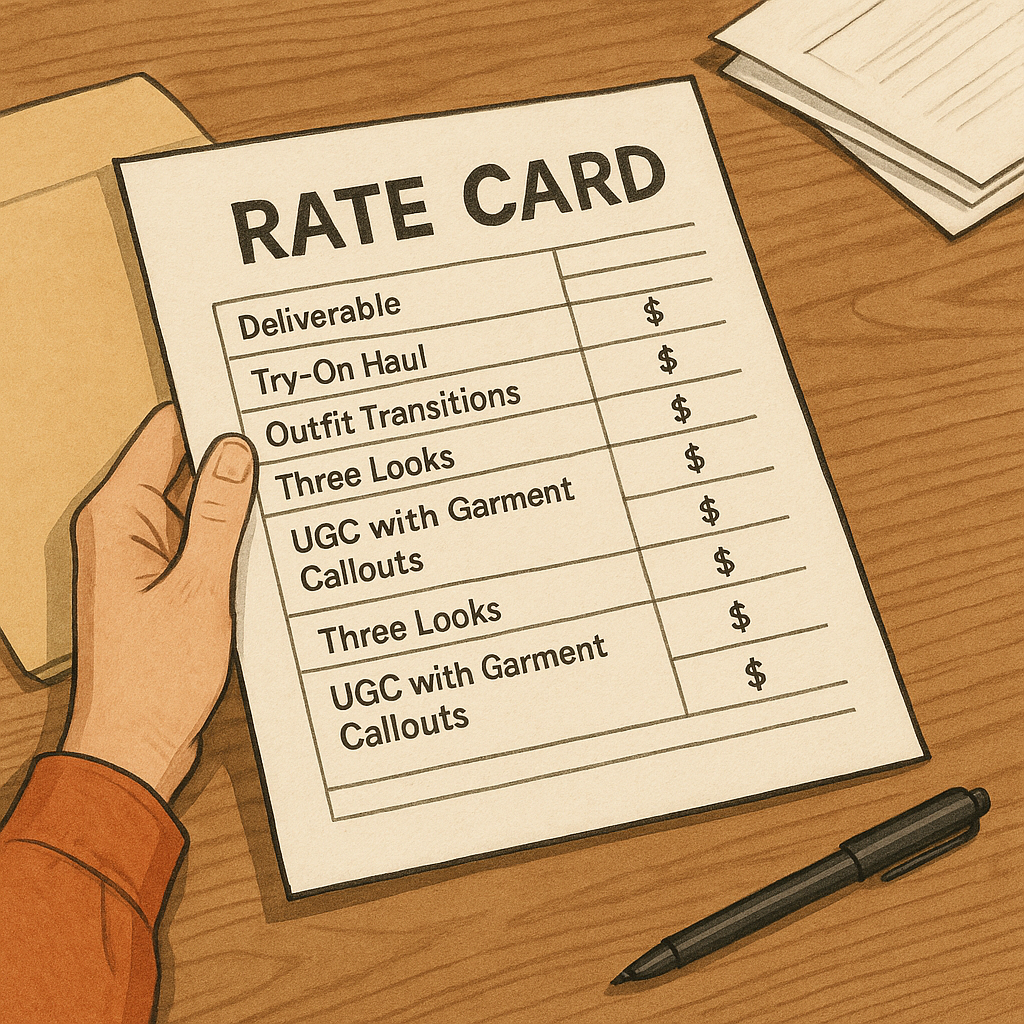
I keep a folder of old brand briefs and creator rate cards (the PDFs that get emailed around with deliverables, usage rights, and a tidy price list). When I’m trying to spot fashion trends before they peak, I don’t start with TikTok. I start with the line items that suddenly need their own pricing tier. That’s the moment something is moving from cute ide to repeatable content format, and brands have noticed.
Here’s the specific tell: when a creator’s rate card adds a dedicated upcharge for a styling-specific deliverable that used to be lumped under a generic post. Think: separate fees for try-on hau versus outfit transitions or an explicit add-on for three look rather than a single look, or a bump for “UGC with detailed garment callouts” (buttons, fabric, lining, hardware). Those line items appear after creators have been doing the format enough times to know it costs more effort, and before the broader audience gets sick of seeing it.
I learned this the hard way watching the cargo-pant cycle. The first wave wasn’t the pants themselves, it was the partnership structure: creators suddenly charging extra for full-body framing, shoe changes, and multiple silhouettes in one video. The brand wasn’t asking for a cute fit they were asking for repeatable styling proof. That pattern shows up early, and it shows up across categories: denim brands, sneaker drops, even jewelry labels that want stacked shots.
What I do with it: I jot the new line item in my notes with the brand name and month, then I watch how fast it spreads to other creators’ rate cards and inbound briefs. If two unrelated brands start requesting the same styling format within a few weeks, I treat that as an early flare. Not a guarantee, but a heads up that the look is about to get packaged and sold hard.
When the brief suddenly wants your closet, not your face
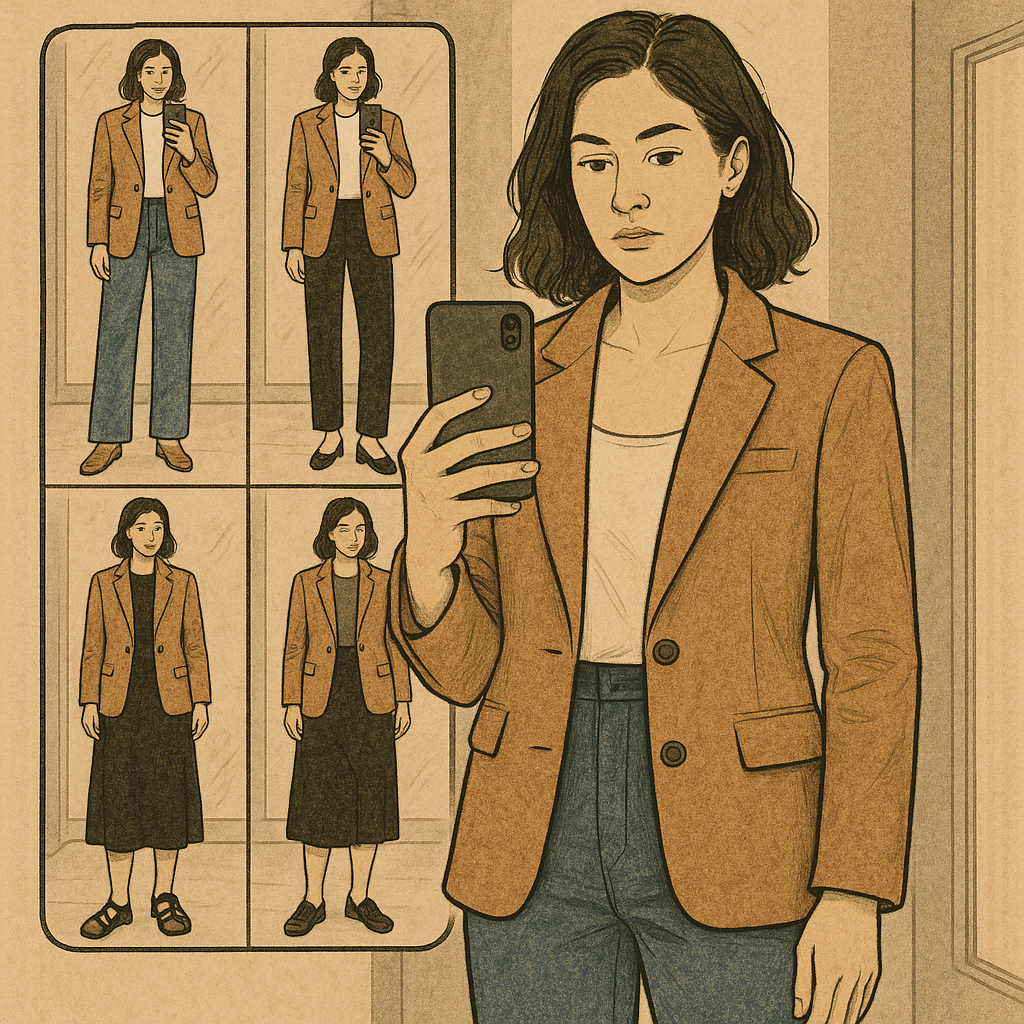
There’s a phase in every trend where brands stop caring who you are and start caring what your closet can demonstrate. You can feel it in the partnership email. The first wave is flattering: We love your style The second wave is logistical: “Can you show 5 to 7 ways to wear it?” That’s the moment I perk up, because it means a specific silhouette is being trained into the audience through repetition.
Watch for briefs that read like a production checklist. They ask for full-length mirror shots, shoe swaps, and side-by-side comparisons (wide-leg versus straight, cropped jacket versus longline, low-rise versus mid-rise). They also get picky about camera height, lighting, and transitions, because the point isn’t your personality. The point is the garment behaving on a body in motion. If a brand is requesting walk tes footage or sit and stan clips, they’re trying to remove uncertainty for shoppers. That’s trend accelerant.
The early signal isn’t that one brand requests it. It’s that multiple brands in different price lanes start requesting the same demo. A premium label asking for close-ups of seam finishes is normal. A mid-tier brand asking for the exact same thing, with usage rights for paid ads, tells you the market is about to flood with similar pieces and they want yours to look like the safer bet.
My hands-on move: I scan the deliverables for what the brand is forcing creators to normalize. If the script insists on naming a detail (barrel leg cap sleeve drop waist fisherman sanda), I write that term down exactly. Those are the keywords that will show up in product titles next, then in search bars, then in everyone’s carts. And if you want to spot the trend before it peaks, you want the moment the vocabulary gets standardized, not the moment the look hits every endcap.
One more tell: when the brief demands multiple sizes or true-to-siz comparisons across bodies, it’s often because returns are climbing. Brands don’t add that friction unless people are confused. Confusion is what happens right before saturation, when there are too many near-identical versions of the same trend and shoppers can’t tell them apart.
The gifting list that quietly reveals what will be everywhere
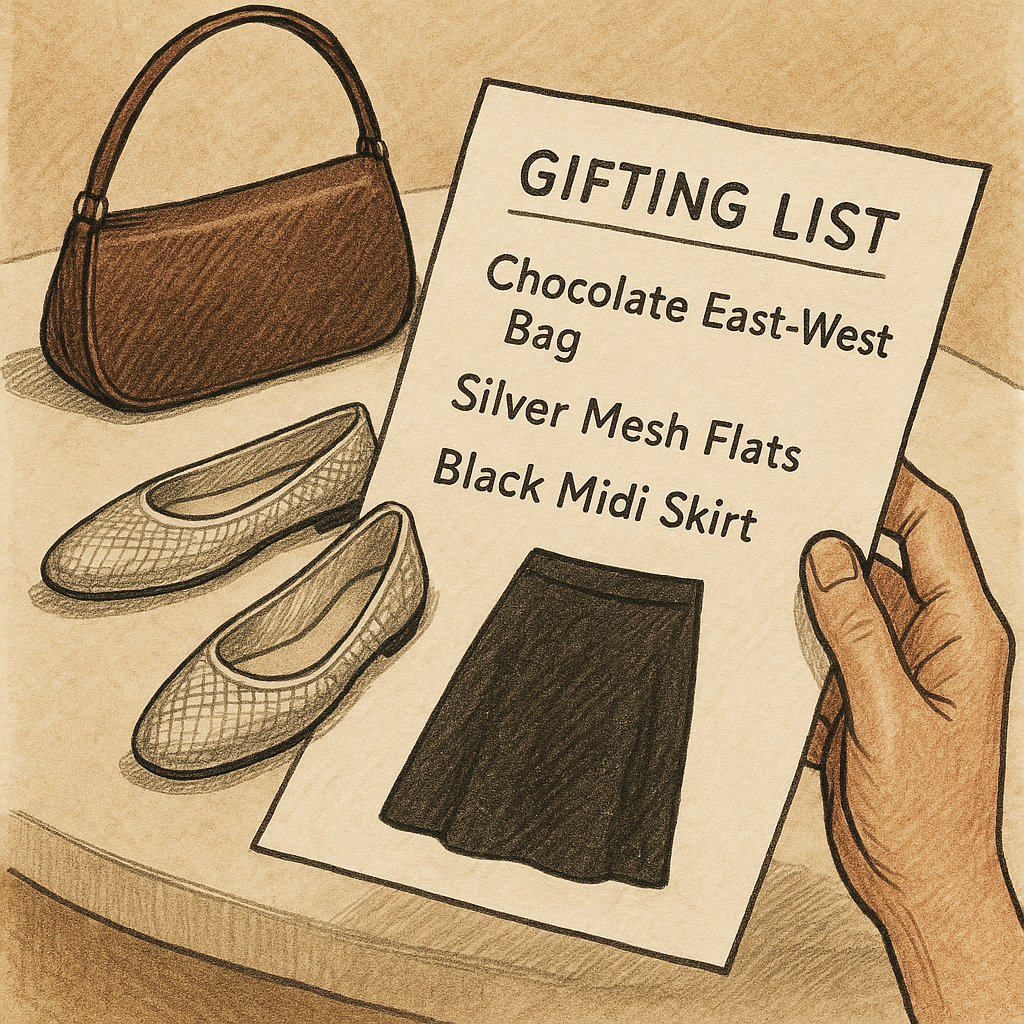
If you ever see a PR gifting list (sometimes it’s attached as a packing slip, sometimes it’s pasted into an email), don’t skip it. It’s one of the cleanest ways to spot fashion trends before they peak because it shows what brands are seeding at scale, not what one stylish person chose for themselves. And gifting strategy gets coordinated across agencies, so you can watch it ripple.
The signal I’m looking for is repetition of a very specific item shape, not a category. Ba is nothing. East-west shoulder bag in chocolat is something. Silver mesh ballet fla is something. When I notice the same oddly specific item appearing across different PR lists in the same month, I assume the buying teams have already placed volume orders and marketing is warming up the audience ahead of inventory landing.
Here’s how it shows up in the real world: you get a box with three pieces, and one of them is clearly the hero. The other two exist to make content easier. A belt plus a skirt plus the hero shoe. A denim jacket plus a white tank plus the hero jean. If the supporting pieces keep repeating across brands, that tells you the outfit formula is being manufactured, not discovered. It’s a commercial push, and it usually means the look will be unavoidable in about 6 to 10 weeks.
I also pay attention to shade naming and finish. If multiple PR lists start specifying butte instead of pale yellow, or oxbloo instead of burgundy, that’s not poets at work. That’s a coordination choice so creators use the same words, which helps search and product tagging. When the language tightens up, the trend is getting packaged for mass adoption.
To keep myself honest, I cross-check the gifting list against what the brand is asking creators to do with it. If the email requests a link in bi push plus whitelisting (permission to run the creator’s content as ads), I treat the item as a planned spend, not a casual seed. That’s the stuff that peaks fast, because paid distribution bulldozes any slow-burn vibe.