
Three practical ways I pressure-test model outputs using SKU notes, fabric lead times, and my own fit-and-return receipts.
Start with the model’s blind spot: returns
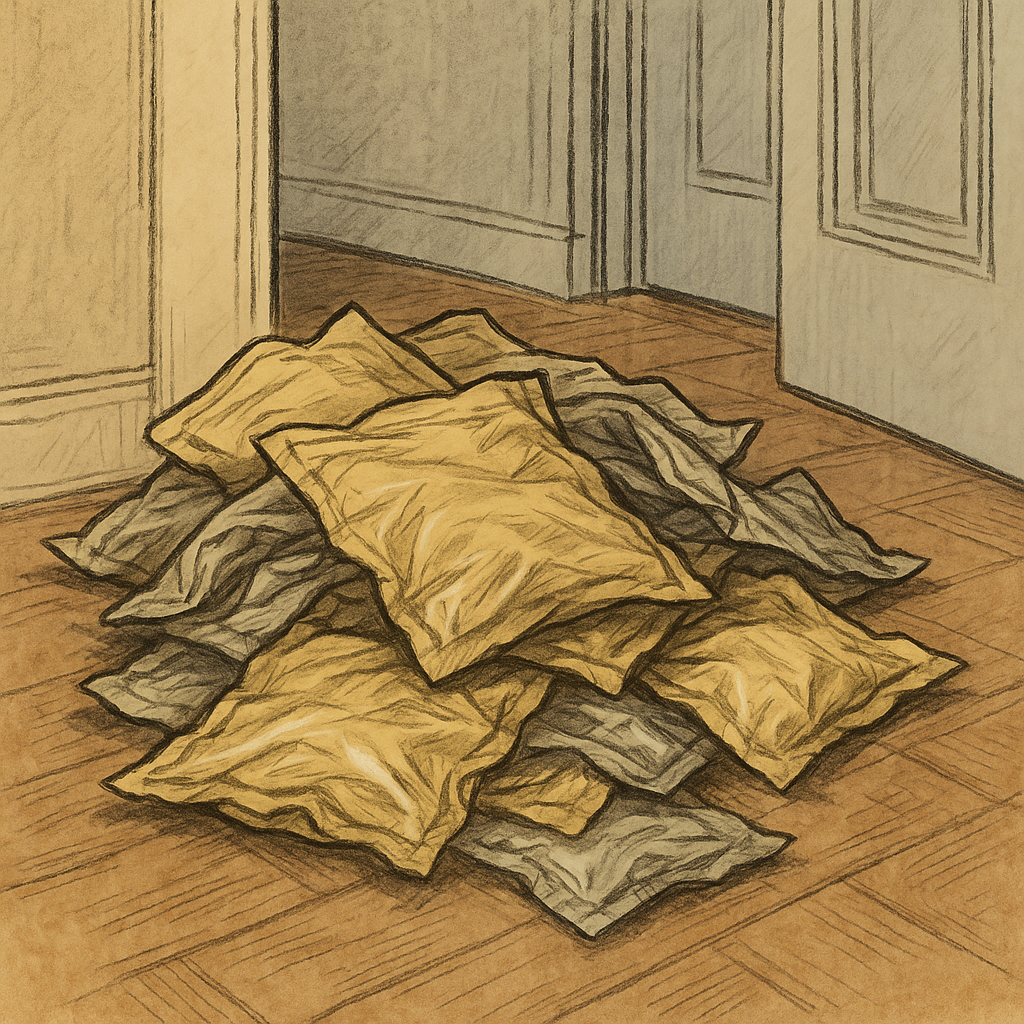
The most confident AI-driven fashion forecast models I’ve used (and I’ve tested plenty of them, from simple demand curves to the glossy dashboards that promise signal detectio) have the same soft spot: they treat what people buy as what people keep. In practice, keep-rate is the difference between a microtrend that turns into a uniform and one that turns into a pile of crinkled poly mailers in your hallway.
When I’m looking at a model’s output, I do a quick mental swap: I replace sales velocit with “sales velocity minus regret.” You can’t get that number from Instagram saves or TikTok views. You get it from the boring stuff: return reasons, size-exchange volume, and the specific complaints that show up when a product hits real bodies. If you have access to a brand’s internal notes, look for repeat phrases like sheer in daylight armhole gapes zipper waves or “pills after one wear.” If you don’t, you can still approximate it by reading the ugliest one- and two-star reviews on a few high-volume items in the category the model says is about to pop. I keep a Notes app list of phrases that correlate with mass abandonment, and it’s rarely about the silhouette. It’s about fabric handfeel, lining, and finishing.
Here’s the hands-on test I use on my own closet to keep myself honest: if the trend is supposedly moving toward, say, slick drapey trousers, I pull the pair I already own that matches the forecast and I wear them for a full workday with the underwear and shoes I’d realistically use. Then I pay attention to what a model can’t see. Do I keep yanking at the waistband? Do the knees bag out by 3 p.m.? Does the fabric make that faint swish that turns a hallway into a sound effect? If I’m annoyed after eight hours, I assume a lot of other people will be, too. A trend with low annoyance scales faster than a trend with high admiration.
In the style-alerts world, this is the tell: AI will flag the look when it starts selling; you can catch it earlier by watching which version is being kept. The kept version always has a little boring upgrade: a better lining, a more forgiving rise, a strap placement that doesn’t fight your bra. That detail is the trend, not the vibe.
Forecasts love images, but factories run on boring words
Most AI-driven fashion forecast models are trained to see what we post: silhouettes, colors, styling combos, celebrity moments. That’s fine, but it can trick you into thinking fashion moves because someone went viral. Fashion moves because someone placed a fabric order months ago and a factory agreed it could be repeated without turning into quality-control chaos.
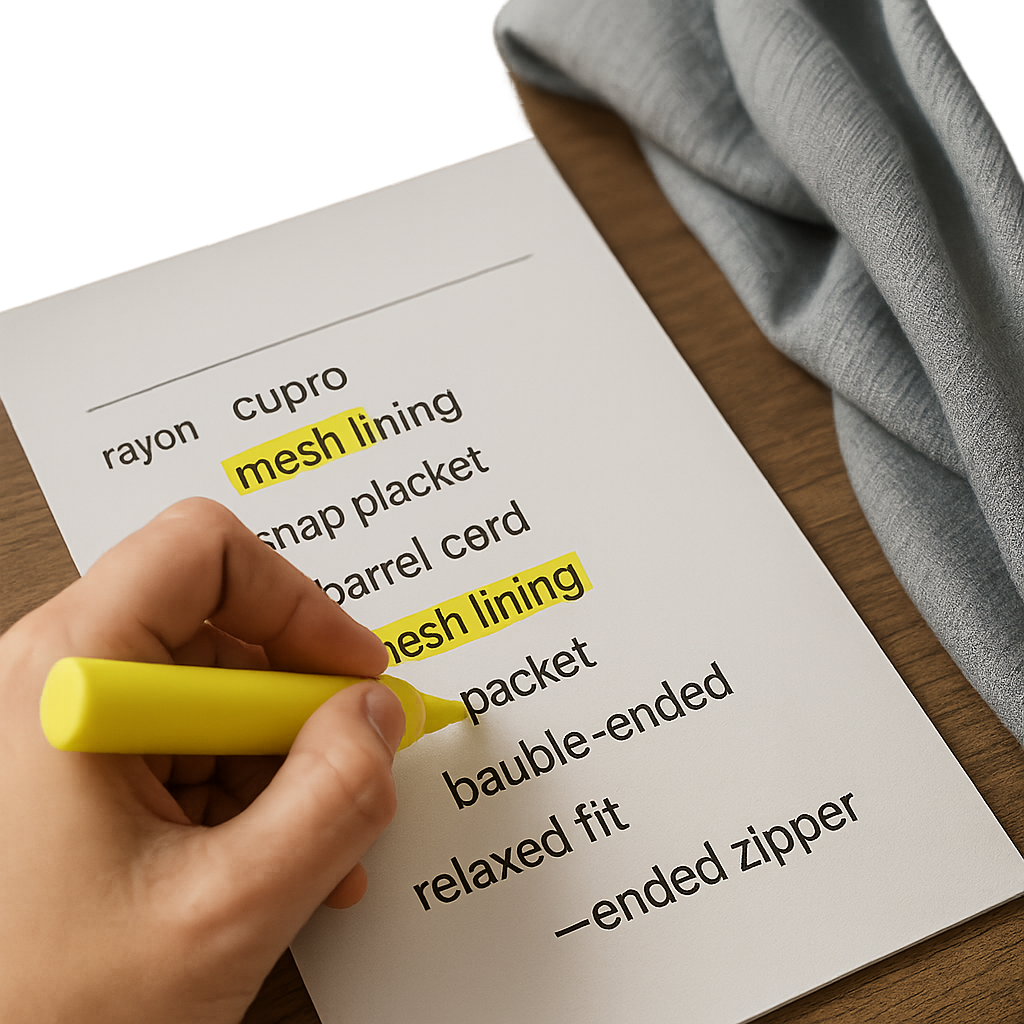
So when a model tells me X is accelerating I go look for the boring word proof. Not runway citations. Not mood boards. The stuff that shows up in product descriptions and sourcing language when a material is about to get normalized. If you start seeing cupr pop up across mid-priced sites that usually stick to rayon, or mesh linin suddenly becoming standard language on dresses that used to be unlined, that’s a stronger early signal than another set of Pinterest-y images. Same with hardware callouts: snap placket barrel cord double-ended zipper Those are manufacturing choices, and they spread in a way an image model can’t fully explain.
This is where I get annoyingly literal. I copy a handful of product descriptions into a document and I highlight repeated nouns, not adjectives. Adjectives are marketing. Nouns are what the garment is made of. Then I check lead-time logic. If the forecast hinges on a fabric that is slow, finicky, or expensive to source consistently, the trend may show up as a lot of lookalikes that feel wrong on-body. Think: slippery satin skirts that cling and static like a balloon, or line blends that wrinkle into a grocery bag the minute you sit. Models will still call it a hit because the images cluster. Your closet will call it a miss.
One practical shortcut: watch for when brands stop apologizing. Early on, product pages read like they are negotiating with you: lightweight semi-sheer delicate When the trend is getting locked in, the language flips to matter-of-fact specs: gsm weights, lining notes, and care instructions that assume you’re already in.
I know this sounds fussy, but it’s how you spot the part of a trend you can wear tomorrow. The model gives you a direction. The nouns tell you whether the direction has legs.
The only AI output I trust is the one I can falsify
I don’t need an AI-driven fashion forecast model to impress me. I need it to be specific enough that I can check it in the real world without waiting six months. If the output is basically quiet luxury is trendin (or whatever the current umbrella phrase is), that isn’t a forecast. That’s a summary of what I could see on my commute.
Here’s the contrarian move: I treat the model like a junior assistant and make it earn trust with a falsifiable prediction. I want three things from the output: a time window, a category, and a constraint. Example of a useful claim: “Within 8 to 12 weeks, short-sleeve knit tops with contrast binding will increase in new arrivals at mid-tier retailers, and they will shift from viscose blends to cotton-rich knits.” Now I can check it. I can look at new-arrivals filters weekly. I can read composition lines. I can see if the constraint holds.
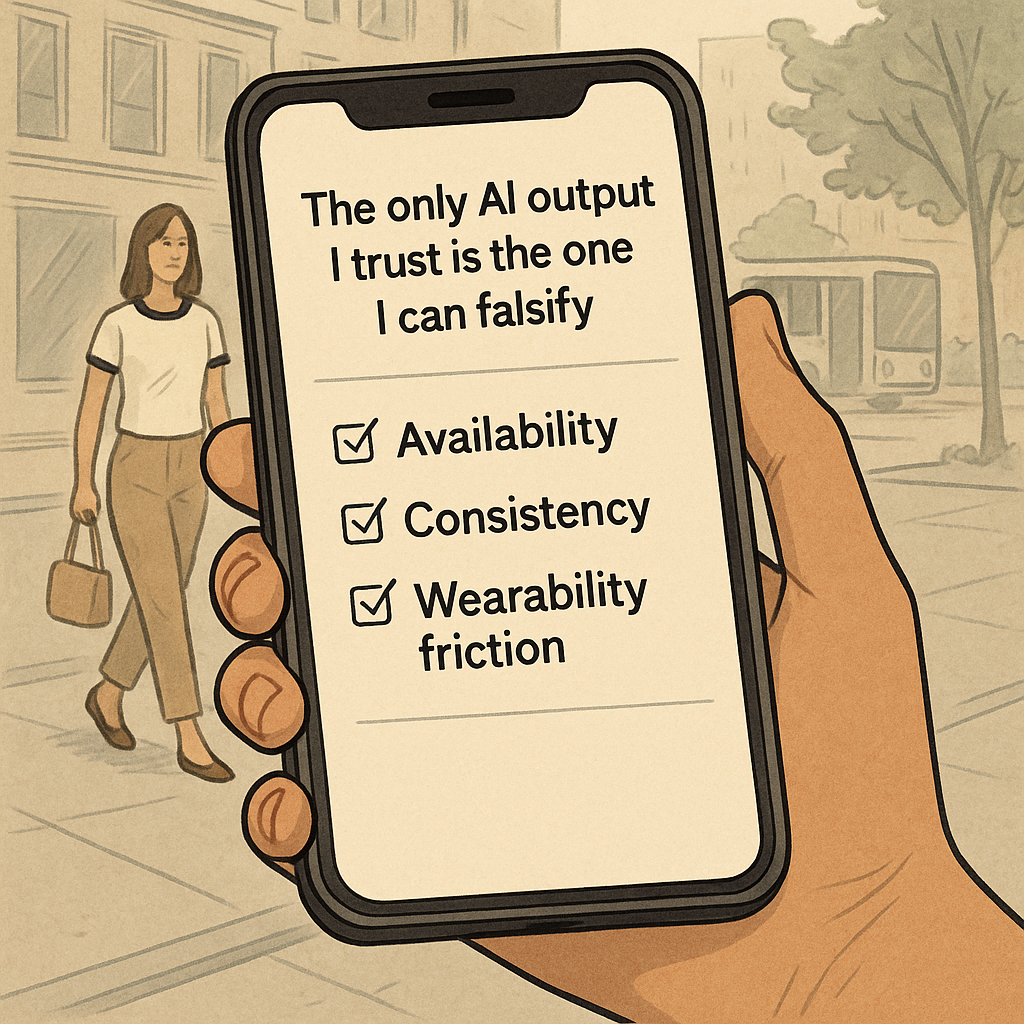
Then I run a quick scorecard that lives in my phone:
- Availability: Is the item showing up in more than one brand’s new arrivals, or is it concentrated in one retailer that’s just good at SEO?
- Consistency: Are the details converging (same binding width, same neckline), or is the model grouping unrelated things because they look similar in photos?
- Wearability friction: Does this require a very specific bra, shoe, or climate to look like the images? If yes, it spreads slower than the model thinks.
That last bullet is where my hands-on experience matters. I’ve bought the early version of a risin item, loved it in my mirror, and then discovered it was a static magnet the minute I stepped outside. Or it photographed beautifully but twisted on my body after two washes because the knit was under-tensioned. Models don’t feel that. You will.
So I build a personal kill switch: one clear condition that makes me stop chasing that prediction. Mine is simple. If I can’t find two versions that specify fabric content clearly (not just sof), I assume the category is still in its messy imitation phase. I keep watching, but I don’t buy yet. When the specs get boring and consistent, that’s when the trend becomes wearable instead of just visible.